
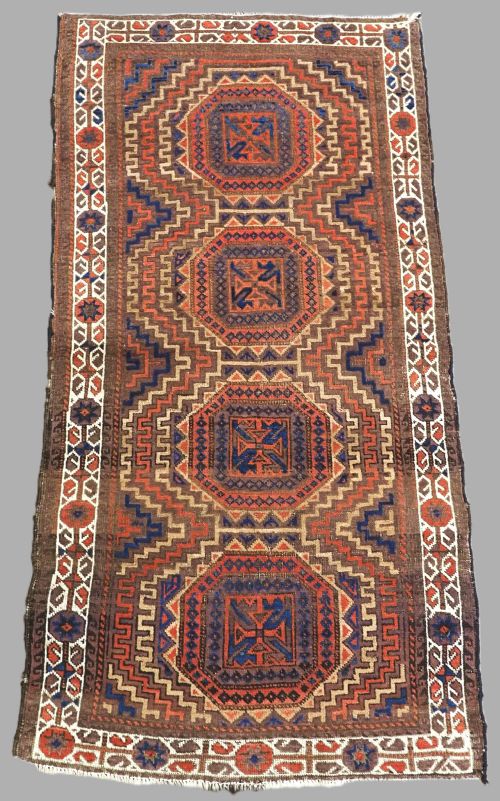


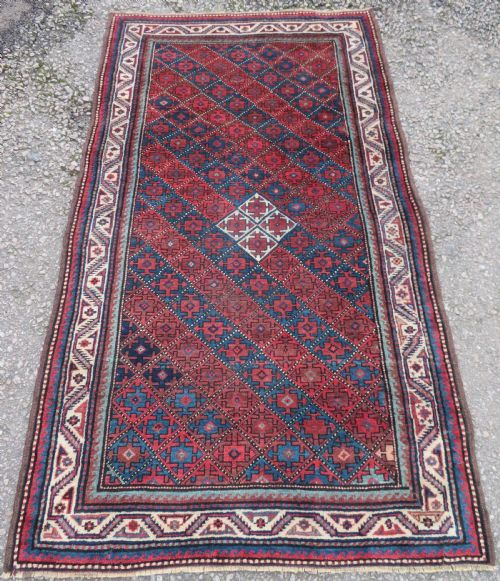
Antique Khorasan Runner
An antique Khorasan runner delivers the rich, geometric depth of nineteenth-century weaving, offering a durable and characterful floor covering for corridors and narrow spaces.
Antique Khorasan Runner
An antique Khorasan runner sits within the broader category of Persian tribal and nomadic weaving from the north-east of the country. When searching for this specific phrase, collectors encounter narrow formats tied closely to the Baluch and Kurdish traditions of the region.
The pieces appearing here span from the late nineteenth century into the early decades of the twentieth century, specifically around eighteen eighty up to nineteen twenty. They include distinct tribal designations such as Salar Khani and Mahdad Khani alongside traditional Mina Khani and lattice motifs.
Buyers find that these floor coverings function primarily as narrow area pieces, offering substantial length relative to their width. Their formats suit hallways and landings where traditional square carpets fail to fit.
Factors determining quality
The fineness of the lattice work and the crispness of motifs such as the Mina Khani variant design separate standard examples from superior ones. Tighter knot counts allow for sharper geometric lines and more complex visual rhythms across the field.
The handling of natural dyes and the preservation of the original wool pile determine the visual impact of each piece. Superior examples retain rich colour depth and even wear across the entire length of the runner.
Current listings demonstrate a concentration of nineteenth-century pieces utilising wool and cotton materials within Persian tribal styles.
The Antique Khorasan Runner Glossary
- Khorasan
- A large historical region in north-east Persia known for producing distinctive tribal and village rugs. Weavings from this area often incorporate Baluch and Kurdish design elements.
- Baluch
- A nomadic or semi-nomadic tribal group originating from the borderlands of Persia and Afghanistan. Their textiles typically feature deep indigo and brown tones alongside geometric guls.
- Gul
- A medallion or repeating octagonal motif used extensively in tribal carpet design. These emblems often identify specific weaving groups or clans.
- Calyx lattice
- A geometric trellis design incorporating stylized bud or calyx motifs within the lattice framework. It creates an intricate, repeating field pattern.
Antique Khorasan Runner: Frequently Asked Questions
Where should I place a runner?
These narrow formats suit hallways, corridors and bedside spaces where length matters more than width.
They handle regular foot traffic while introducing distinct tribal character to transitional areas in a home.
How do I clean an antique runner?
Gentle surface brushing and professional rug cleaning suited to natural wool preserve the pile.
Avoid harsh chemical treatments and excessive water immersion to protect the natural dyes.
What is a Mina Khani design?
The pattern consists of a repeating floral lattice spread evenly across the central field of the rug.
It connects stylized blossoms and rosettes within a balanced geometric framework.
How do I date these textiles?
Dating relies on material analysis, dye characteristics, structural evidence and stylistic conventions from the period.
Pieces from the late nineteenth century show specific wool textures and regional motifs distinct from later twentieth-century production.