


Antique Kazak Runner
An antique kazak runner brings bold tribal geometry and saturated natural colour straight from nineteenth-century Caucasian weaving traditions into a modern hallway.
Antique Kazak Runner
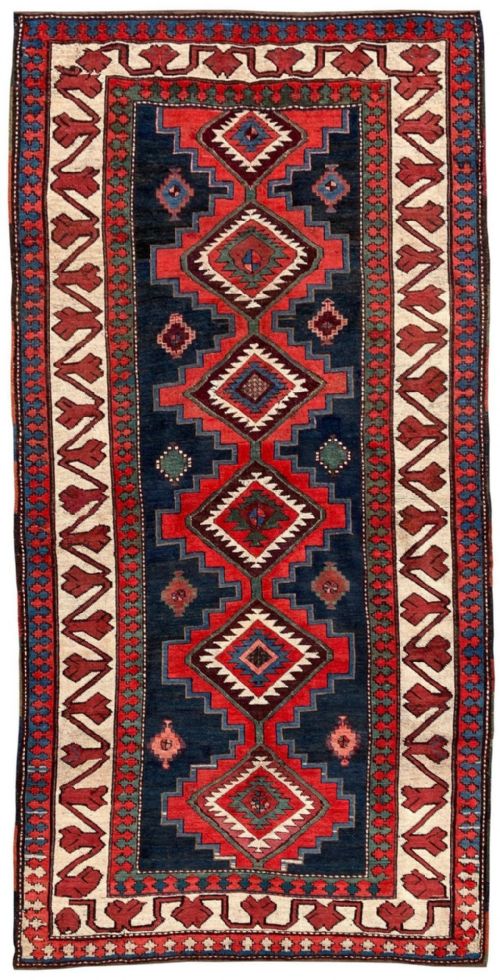
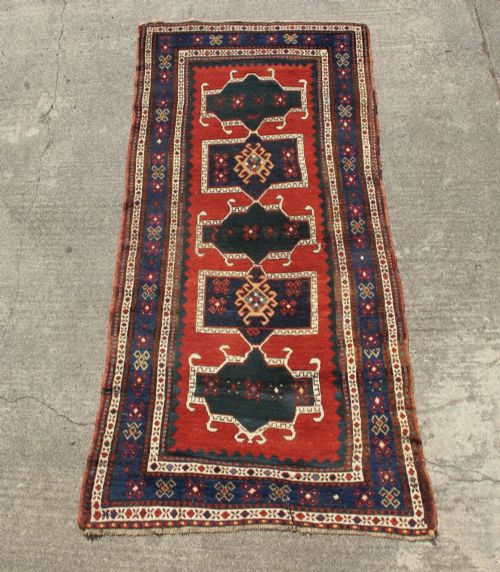
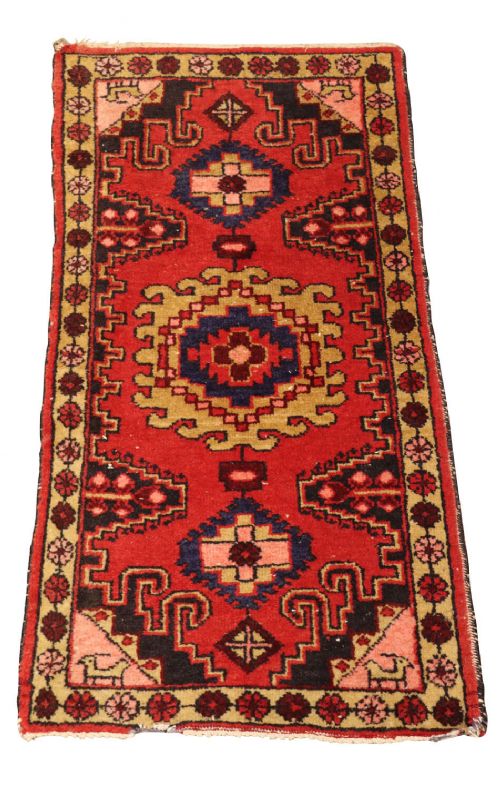
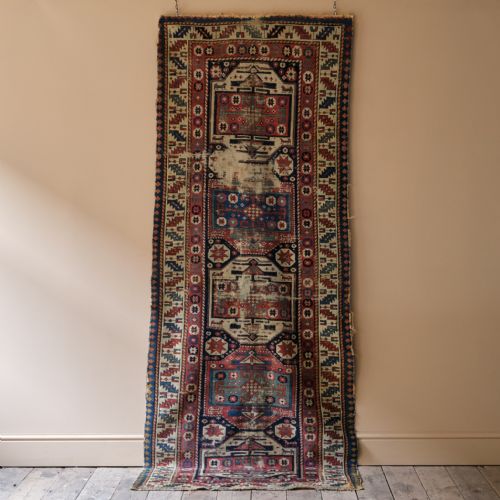
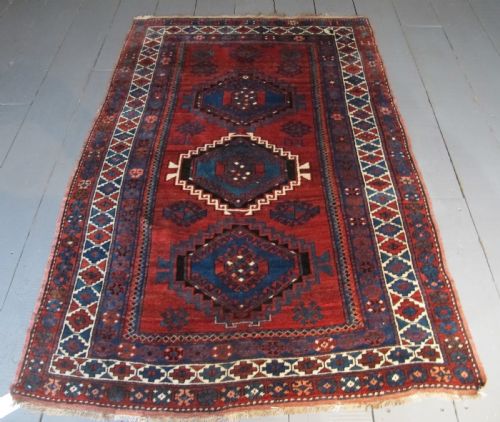
An antique kazak runner represents a specific category of tribal floor covering originating from the Caucasus region, produced primarily during the nineteenth and early twentieth centuries. These elongated formats combine the bold medallions and geometric motifs typical of wider Kazak weaving with proportions suited to corridors and narrow spaces.
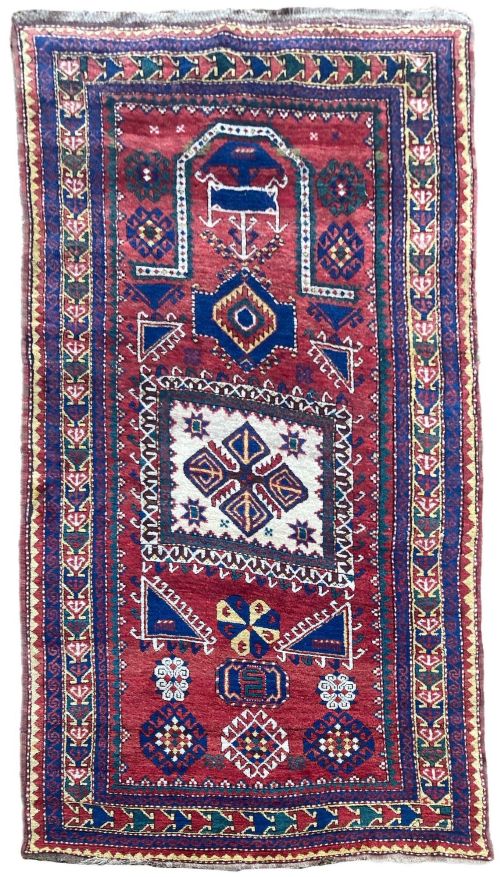
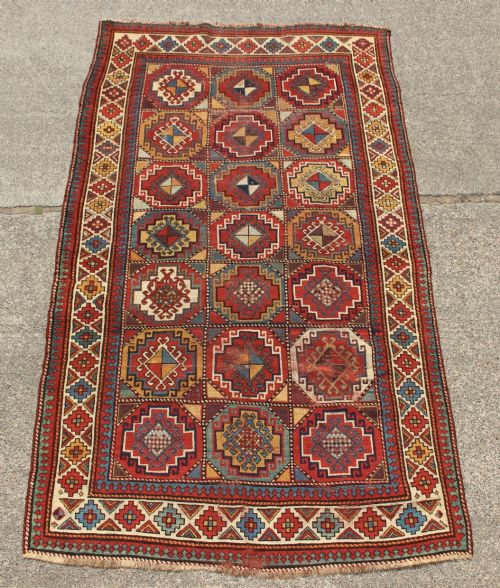
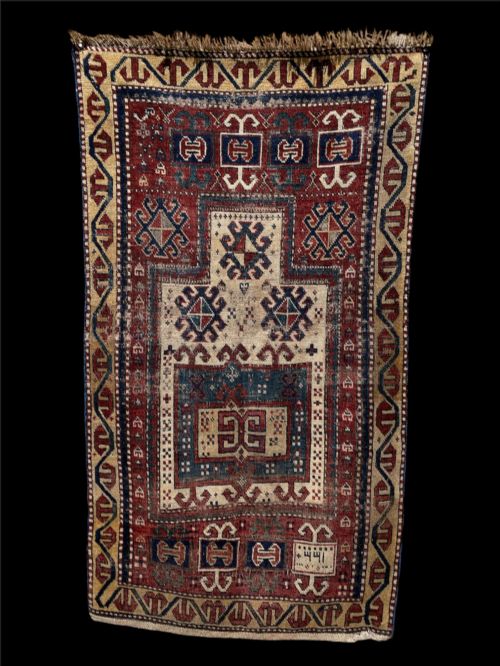
The pieces found within this selection encompass distinct regional sub-types associated with Caucasian workshops, including Moghan, Gendje, and Fachralo styles. Examples frequently display characteristic latch-hook medallions, Memling guls, or repeated boteh patterns woven in saturated primary hues.
What varies in quality
The visual impact of an antique kazak runner depends upon the saturation and balance of its natural dyes, alongside the crispness of its geometric drawing. Pieces exhibiting unusual ground colours or particularly intricate animal and human motifs command greater attention from collectors.
Structural integrity and pile preservation dictate the durability of individual examples. Finer knot density and intact original borders separate superior specimens from more standard regional production.
The listings span production dates from the 1860s through to the 1930s, utilising hand-spun wool and natural dyes.
The Antique Kazak Runner Glossary
- Kazak
- A designation applied to rugs woven by various tribal groups in the southern Caucasus, known for strong geometric designs and primary colours. These pieces often feature bold medallions and hooked motifs.
- Boteh
- A traditional almond-shaped or paisley motif representing a floral spray or cypress tree. This ancient symbol appears frequently in Gendje and Caucasian regional weaving.
- Memling gul
- An octagonal or stepped medallion enclosing hooked appendages, named after the fifteenth-century painter Hans Memling who depicted similar carpets. It serves as a primary geometric motif in Moghan pieces.
- Latch hook
- A small square or rectangular projection attached to the edges of medallions and borders. This geometric device is a defining characteristic of Caucasian tribal design.
- Fachralo
- A specific sub-type of Kazak rug identified by large central prayer niches or distinctive square medallions flanked by stylized motifs. The style originates from a distinct Caucasian village tradition.
Antique Kazak Runner: Frequently Asked Questions
Where were these runners made?
These textiles originate from the Caucasus region, situated between the Black Sea and the Caspian Sea. Tribal weavers in specific districts such as Gendje and Moghan produced them using traditional local motifs.
The mountainous terrain and diverse ethnic groups influenced the distinct geometric styles and strong regional characteristics found across these floor coverings.
How do I care for an antique wool runner?
Regular gentle vacuuming without a beater bar removes surface grit that can damage hand-spun wool fibres. Professional cleaning by a specialist in antique textiles maintains the integrity of natural dyes.
Positioning the piece away from direct, harsh sunlight prevents premature fading of the saturated red and blue tones over time.
How do I identify a Gendje Kazak?
Gendje pieces typically present narrower proportions, diagonal stripe patterns, or dense arrangements of boteh motifs across the field. Their colour palette often incorporates distinctive shades of blue and green.
Examining the structural details and characteristic border arrangements helps distinguish these runners from other regional Caucasian weaving traditions.