





Authentic Caucasian Rug
An authentic caucasian rug brings geometric boldness and rich regional character into a room.
Authentic Caucasian Rug
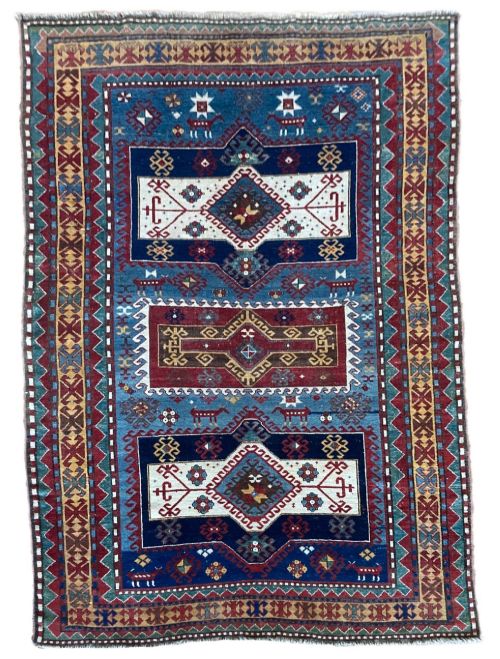
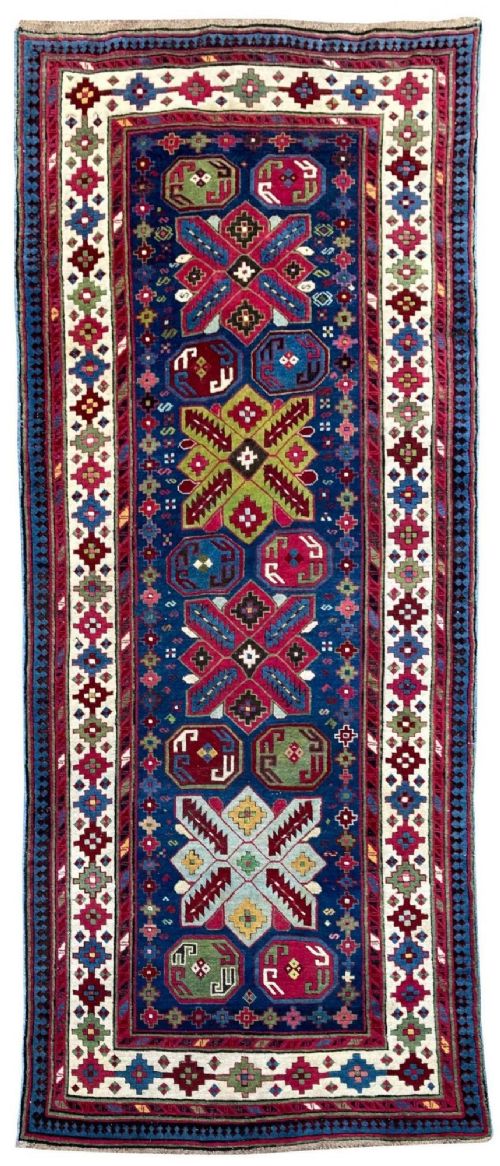
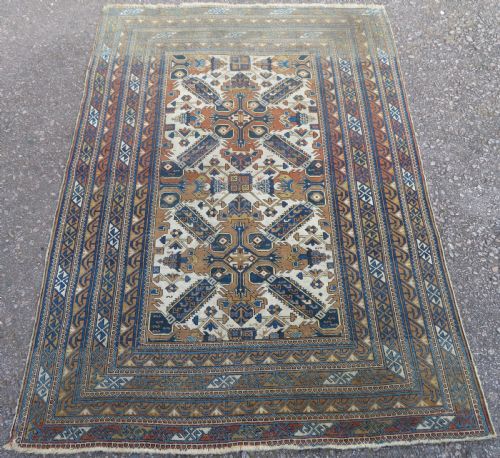
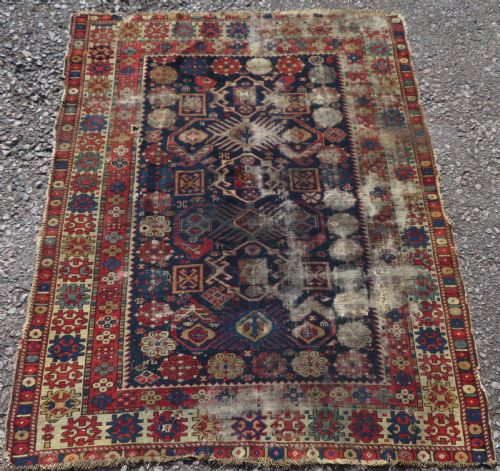
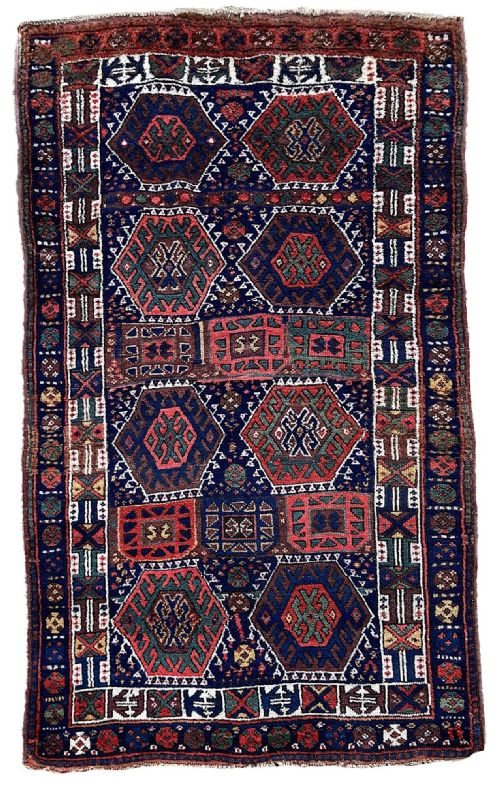
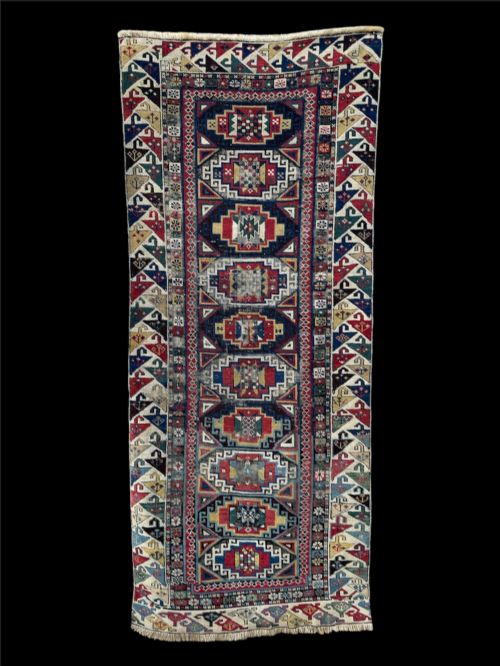
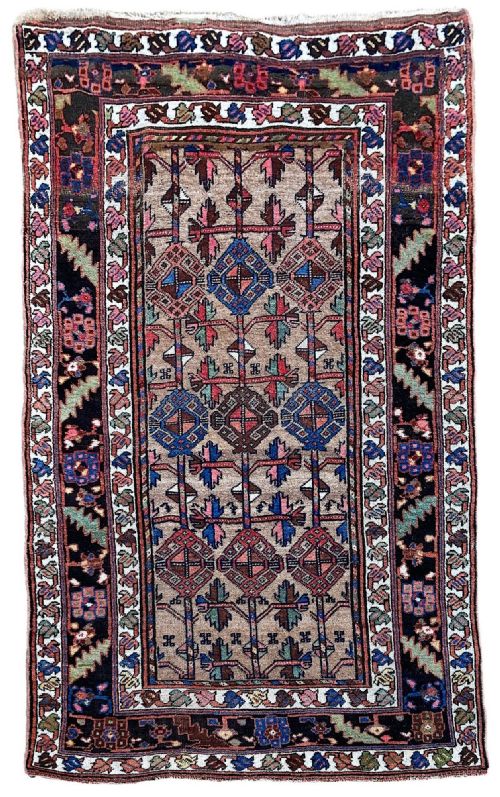
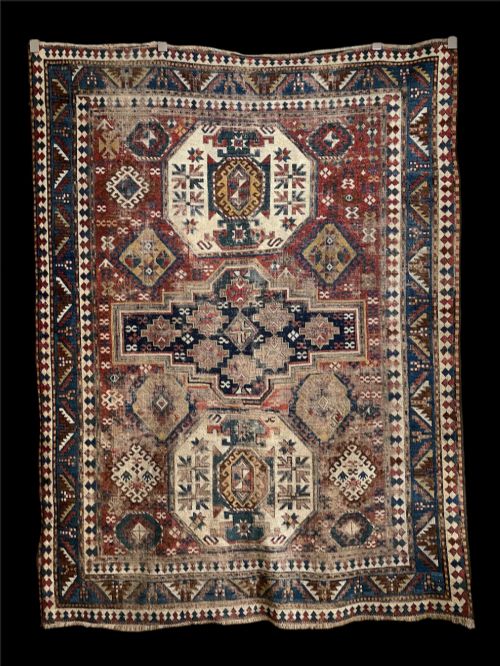
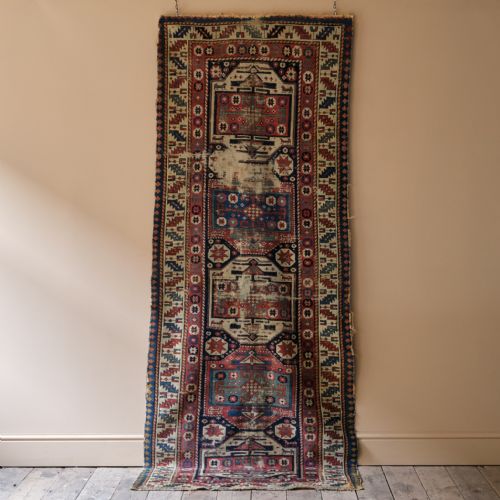
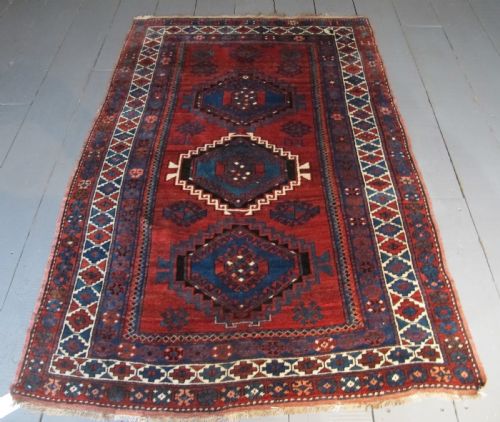
When you search for an authentic caucasian rug, you encounter hand-knotted tribal floor coverings originating from the Caucasus region and surrounding areas like North West Persia during the nineteenth and early twentieth centuries. These pieces appear in formats ranging from small prayer rugs to long runner rugs and larger carpets. The styles span specific regional groupings including Kazak, Shirvan, Daghestan, Karabagh, and Kurdish tribal designs.
The most common examples on this page date from the late nineteenth century up to the early decades of the twentieth century, particularly around 1900 and the 1890s. They display distinctive geometric medallion layouts, hooked motifs, and stylised animal or floral symbols. Each piece reflects the specific weaving traditions of the mountain and valley communities that produced them.
How they were made
Weavers constructed these textiles primarily using wool for the pile and foundation, often incorporating hand-spun wool that yields an irregular, tactile texture. Cotton also appears in the foundational structures of certain pieces, particularly in later examples. Natural dyes provided the deep reds, blues, and yellows that define the palette.
The creation process relied entirely on manual knotting on vertical looms, passing down regional patterns through generations of weavers. The use of hand-spun wool and natural colourants ensures that the dyes age gracefully, developing subtle tonal shifts across the surface of the rug over time.
Authentic Caucasian Rug Retail Price Guide 2026
Typical asking prices for authentic caucasian rug among the pieces listed under this phrase on Sellingantiques today, from the lower quarter to the upper quarter. They describe what is for sale here now, not the wider market.
Object types catalogued here include area rugs, runners, and carpets representing Caucasian, Kurdish, and Persian tribal traditions.
What varies in quality
Quality in these textiles depends heavily on the crispness of the geometric drawing and the saturation of the natural dyes. Superior pieces demonstrate a balanced proportion in their medallions and a careful execution of intricate tribal symbols without awkward crowding or distortion.
The handle and density of the knotting also distinguish different grades of weaving. Tighter, more resilient piles and supple foundations indicate superior craftsmanship from skilled regional workshops or nomadic family groups.
The Authentic Caucasian Rug Glossary
- Kazak
- A style of rug originating from the western Caucasus, known for bold geometric medallions and primary use of saturated red, blue, and green colourways.
- Shirvan
- A style of weaving from the eastern Caucasus, typically characterised by finer detail, lower pile, and precise geometric or tribal patterns.
- Prayer rug
- A small format textile featuring a distinctive mihrab or arch design at one end, traditionally used for individual daily worship.
- Runner
- A long, narrow carpet format designed specifically for hallways, corridors, or alongside large furniture pieces.
Authentic Caucasian Rug: Frequently Asked Questions
How do I style a tribal rug?
Place these rugs on wooden or stone floors where their geometric patterns can anchor neutral furniture schemes. They suit high-traffic areas like hallways when using runner formats.
Allow sufficient space around the borders to let the tribal designs frame the room without competing with other heavy patterns.
Are these runners durable?
The dense wool pile and sturdy hand-knotted construction make these runners robust enough for everyday domestic use. Natural wool fibres naturally resist dirt and tolerate regular foot traffic.
Protect the foundation by placing a quality underlay beneath the rug to prevent slipping and reduce friction against hard floors.
How do I clean old wool rugs?
Vacuum gently using suction attachment only, avoiding the rotating brush bars that can pull at the hand-spun wool pile. Shake smaller rugs outdoors rather than beating them.
Consult a specialist textile conservator for professional washing, as natural dyes require careful handling to prevent colour bleeding.
How do I date a tribal carpet?
Examine the materials, structure, and dye palette to determine the approximate period of origin. Hand-spun wool and specific regional colour combinations often point towards the nineteenth century.
Compare the specific motifs, such as Kazak or Shirvan field arrangements, with documented examples from the same geographic area.