



Antique Karabagh Carpet
An antique karabagh carpet brings rich Caucasian and Armenian weaving traditions into a room, offering striking medallion, boteh, and floral designs.
Antique Karabagh Carpet
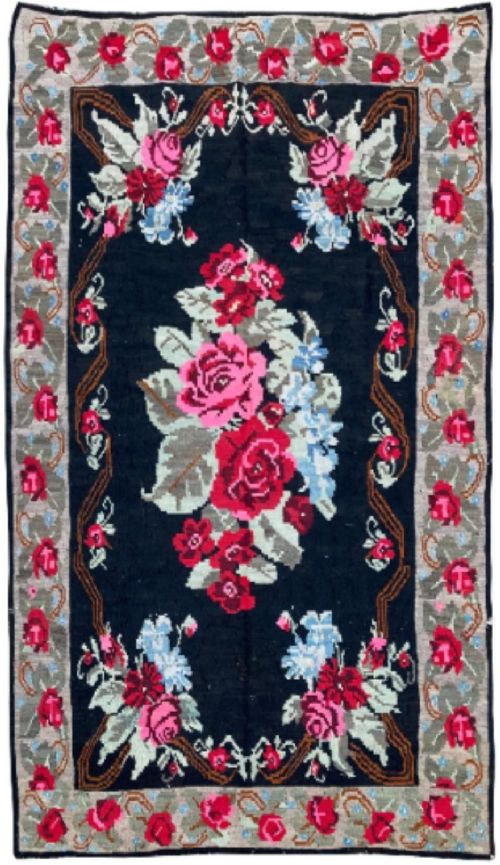
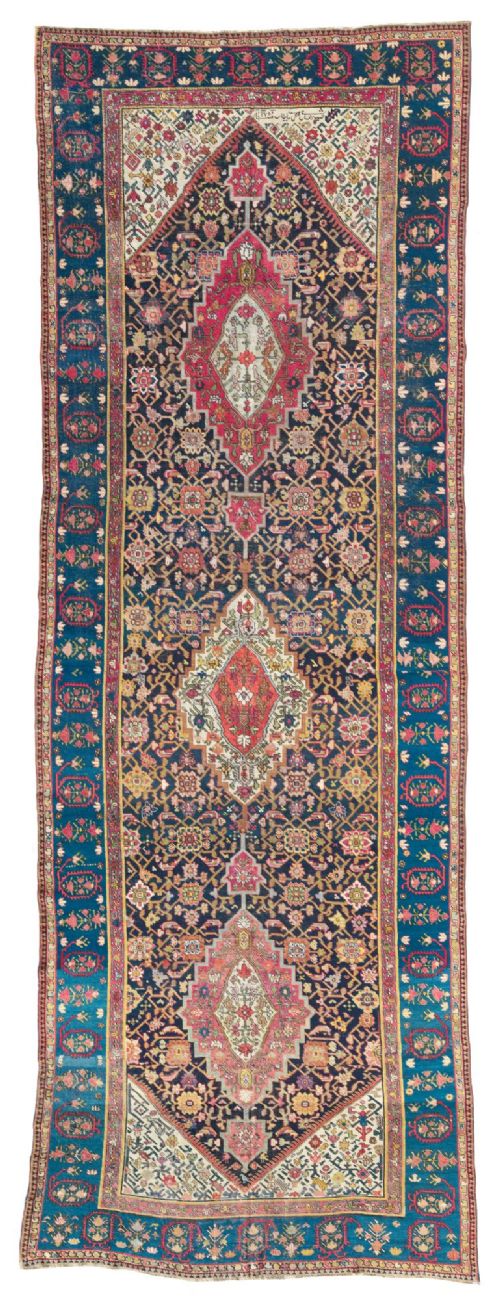
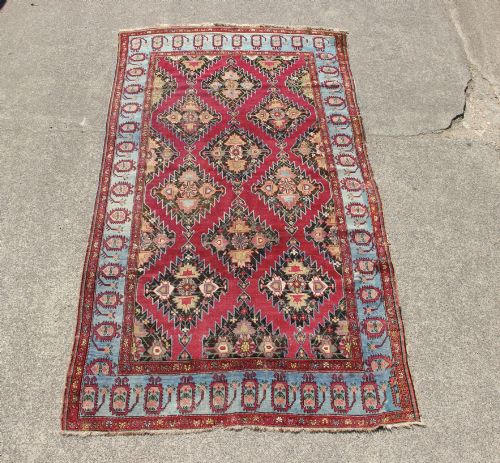
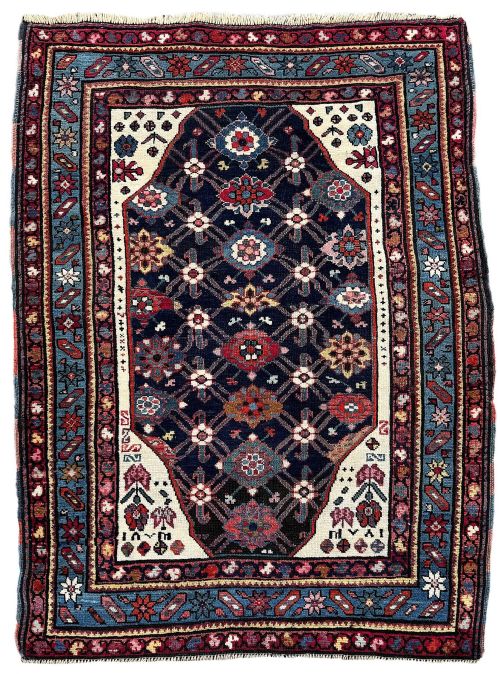
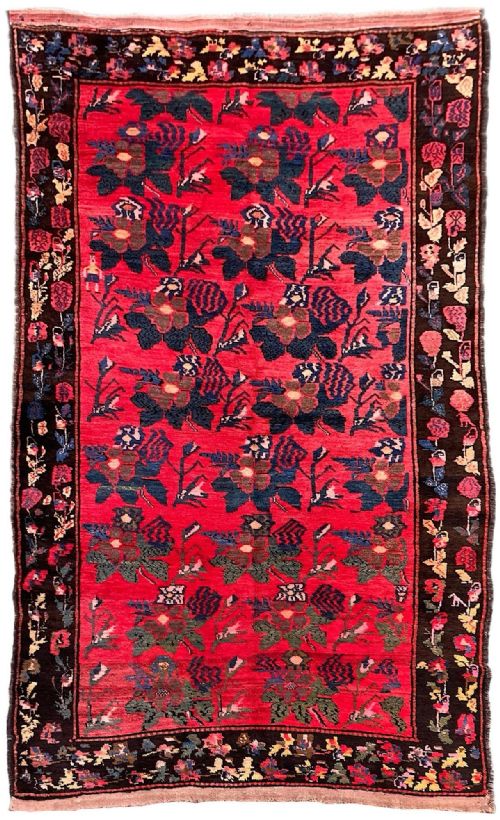
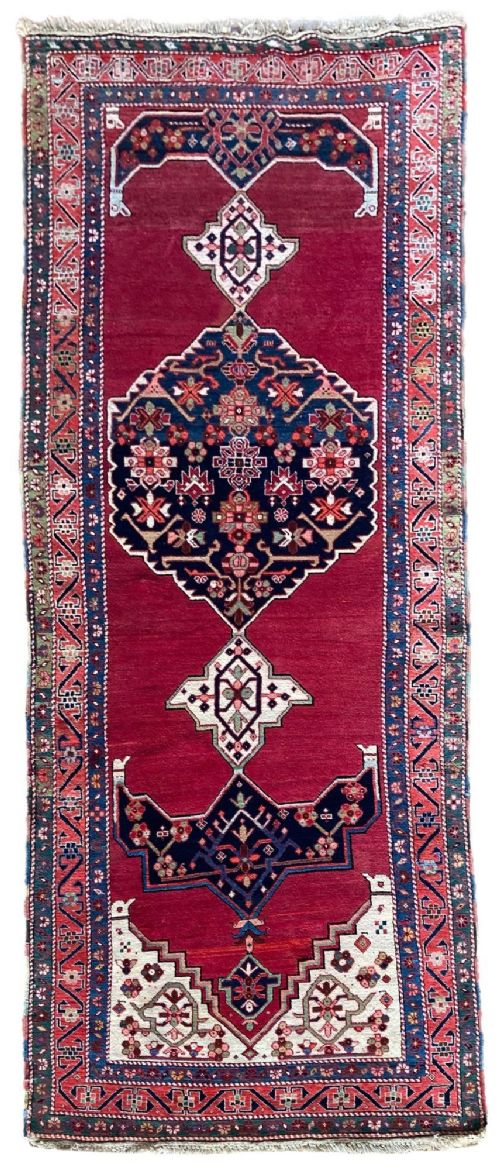
When you search for an antique karabagh carpet, you encounter woven textiles originating from the Karabagh region in the Caucasus, spanning styles from traditional tribal motifs to European-influenced floral designs. These pieces appear in various formats, including large carpets, wide kellehs, long runners, and flatwoven kilims.
The most common examples on this page date from the mid-nineteenth century through the early twentieth century. They display distinct regional characteristics, encompassing geometric medallions, striped boteh patterns, cloud band designs, and French-inspired rose motifs.
Makers in these village and regional workshops employed traditional techniques passed down through generations. Some pieces bear signed weaver names or specific dates, linking the textile directly to its creator in the Caucasus.
How they were made
Weavers constructed an antique karabagh carpet utilising wool for the pile and foundation elements, alongside cotton for structural stability. These natural materials provided the tensile strength required for durable floor coverings.
The production relied on hand-knotting and flatweaving techniques executed on traditional vertical looms. Artisans applied natural dyes to colour the wool, yielding the deep tones and varied hues recorded across the region's output.
Certain early examples include signed names by the weaver, preserving the hidden identity of the artisan in the wool.
What varies in quality
The distinction between tiers rests upon the precision of the knotting and the complexity of the design layout. Finer examples display tightly packed knots that preserve intricate details in medallion, blossom, or animal motifs.
Colour retention and the harmonious blending of secondary shades influence the overall visual impact. Pieces retaining vibrant, well-preserved natural dyes stand apart from those with muted or heavily restored palettes.
The Antique Karabagh Carpet Glossary
- Kelleh
- A large, elongated format of oriental carpet, typically longer than a standard room rug but narrower in width. This shape suits narrow spaces and hallways.
- Boteh
- A traditional almond or pear-shaped motif with a curved upper end, frequently repeated in rows across Caucasian and Persian weaving. It represents a floral or cypress shoot symbol.
- Kilim
- A flatwoven textile produced without a pile, created by tightly interweaving warp and weft strands. These pieces function as lightweight rugs or wall hangings.
- Chondoresk
- A specific Caucasian rug design subtype featuring a bold central medallion and characteristic cloud band elements. These patterns derive from specific regional weaving traditions in the Caucasus.
- Medallion
- A symmetrical central ornament placed in the field of a carpet, serving as the primary focal point of the composition.
Antique Karabagh Carpet: Frequently Asked Questions
Where were these carpets made?
These textiles originated in the Karabagh region situated in the South Caucasus, an area renowned for diverse weaving traditions influenced by both local Caucasian styles and European aesthetics.
Craftspeople in villages and regional workshops produced these rugs and carpets utilising traditional local motifs, sometimes incorporating Armenian or European design elements.
How do I care for an antique runner?
Place a quality underlay beneath the runner to prevent slippage and reduce friction between the fibres and the floor. This simple step protects the wool structure from excessive wear over time.
Vacuum the piece gently using a suction-only attachment, avoiding rotating brush bars that can damage old pile knots. Professional cleaning should be undertaken periodically by specialists in antique textiles.
What is a village rug?
A village rug is a textile woven in a domestic or community setting rather than a large commercial factory. These pieces often exhibit spontaneous design variations chosen by the individual weaver.
Such rugs frequently display charming irregularities in geometry and colour transitions, reflecting the personal expression of the artisan who created them.
How do I distinguish regional styles?
Distinguishing between regional styles involves examining the structural motifs, such as triple medallions, cloud bands, or French-inspired rose sprays. Different valleys and workshops favoured specific design repertoires.
Comparing the border arrangements and secondary filler ornaments helps identify whether a piece leans toward traditional Caucasian geometry or floral European influences.