


Navy Blue Caucasian Rug
A navy blue caucasian rug brings deep indigo grounding and geometric tribal structure to an interior, drawn from nineteenth and early twentieth century weaving traditions.
Navy Blue Caucasian Rug
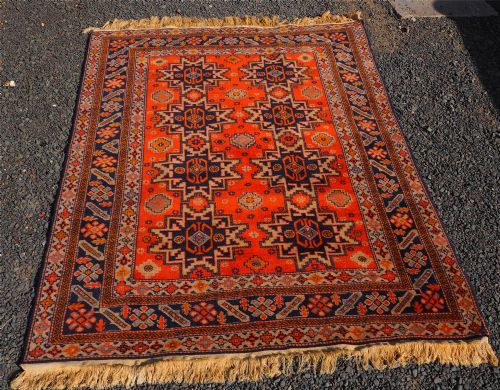
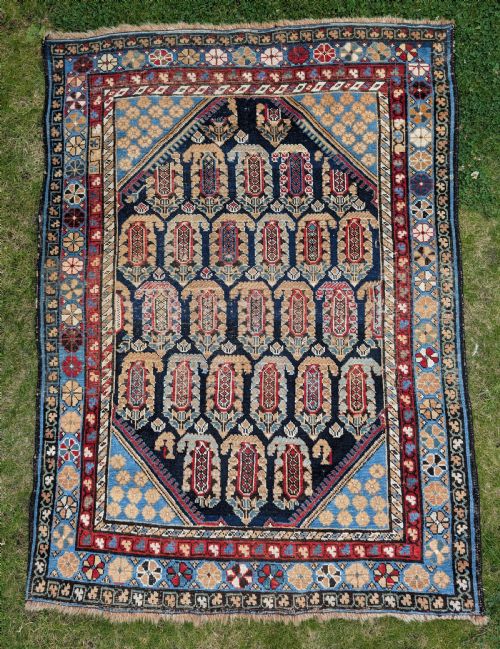
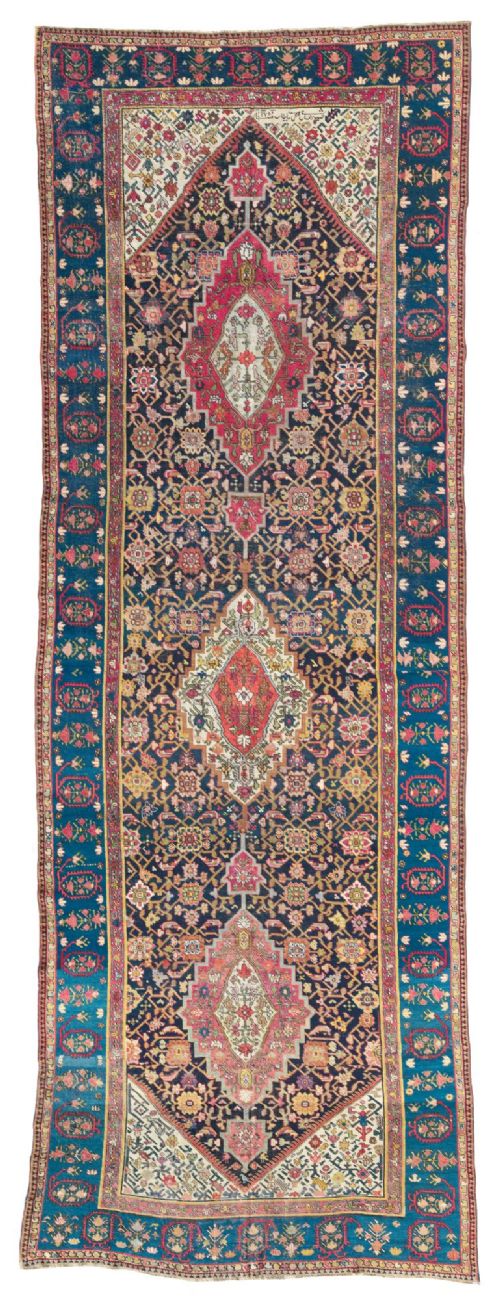
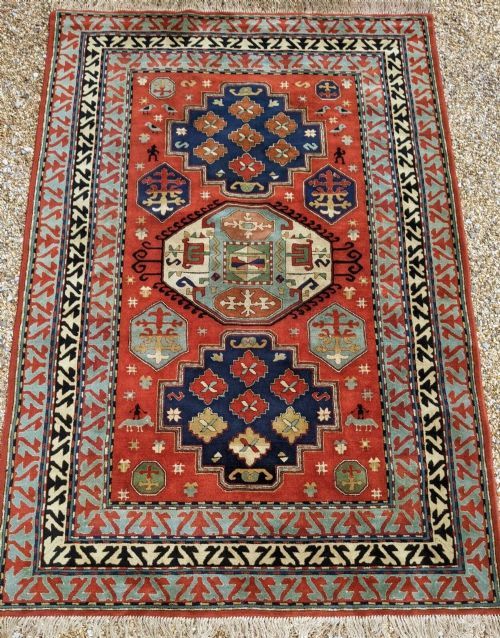
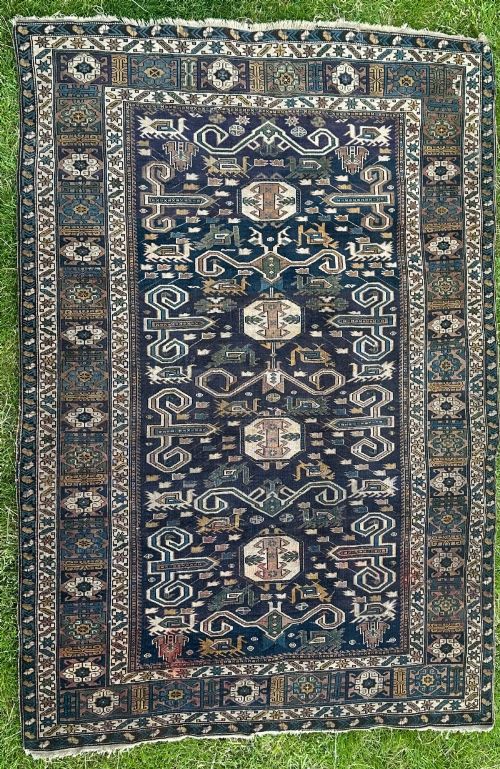
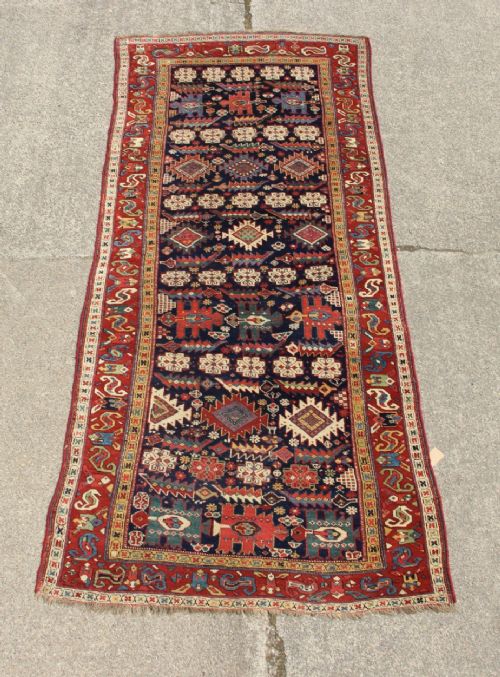
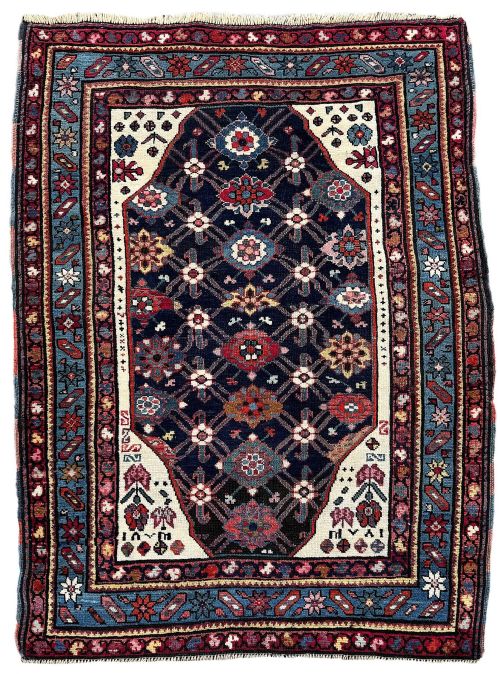
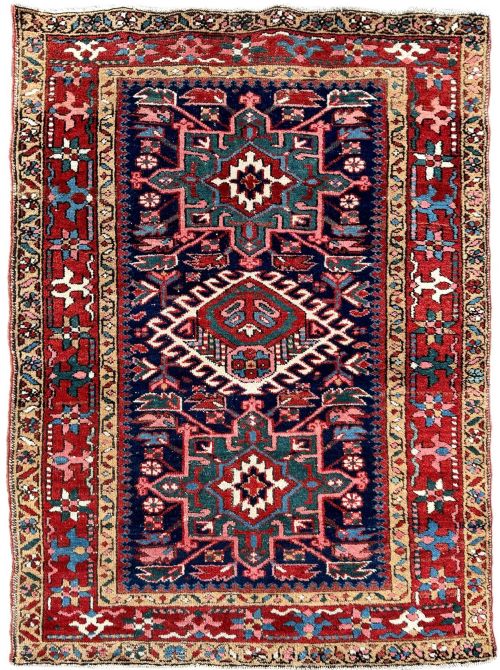
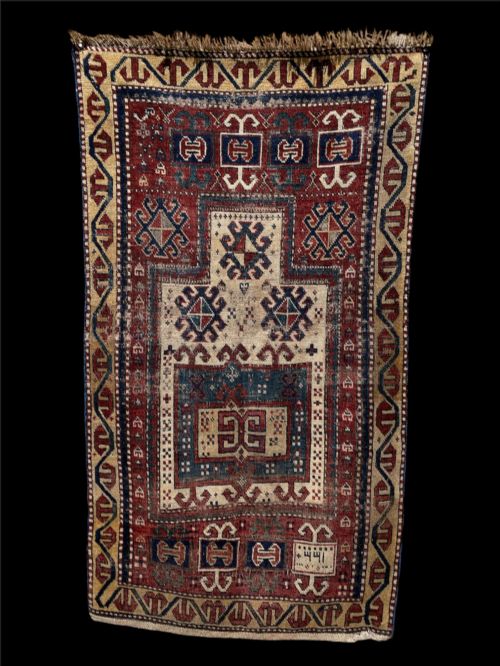
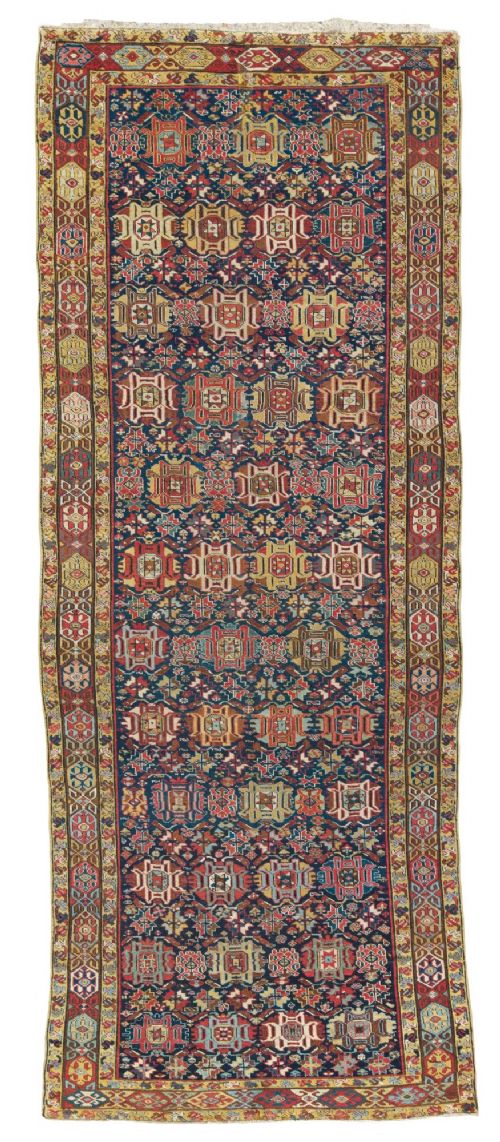
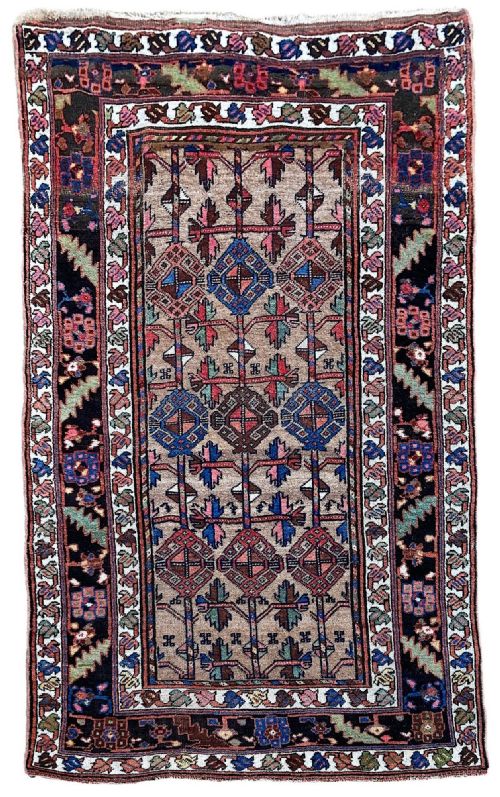
When searching for a navy blue caucasian rug, buyers encounter geometric tribal formats originating from the Caucasus region and surrounding areas. These pieces include area rugs, long runners, and compact prayer rugs woven across the nineteenth and early twentieth centuries.
The selection on this page demonstrates regional styles such as Shirvan, Karabagh, Kuba, Kazak, and Gendje. Examples span from small scatter sizes to large room-sized carpets and hallway runners.
Tribal groups including the Shahsavan, Kurdish, and Jaf communities produced these floor coverings using distinct local motifs. Pieces range from square formats to elongated Kelleh proportions.
How They Were Made
Weavers constructed these textiles using hand-spun wool and cotton foundations, tying dense hand-knotted piles. The structure relies on sturdy vertical looms operated by skilled village and nomadic artisans.
Makers utilised natural dyes and vegetable dyes to achieve saturated indigo blues alongside contrasting earth tones. These colorants interact with wool fibres to produce subtle abrash and varied tonal depth over decades of use.
Certain animal designs weave in unexpected peacocks and roaming figures alongside traditional geometric stars.
What Varies in Quality
Knot density and structural tightness dictate the crispness of the geometric drawing across the field. Finer knotting allows intricate star motifs, boteh, and medallion outlines to remain sharp and legible.
The integrity of the wool pile and the stability of the foundation determine durability. Examples retain varying degrees of original pile height and side cord binding depending on past placement and wear.
The Navy Blue Caucasian Rug Glossary
- Abrash
- A natural variation in colour shading caused by changes in dye batches or hand-spun yarn lots. This tonal shift creates visual movement across the field of the rug.
- Boteh
- A teardrop or almond-shaped motif with a curved upper end, frequently seen in traditional eastern weaving. The symbol represents a floral spray or cypress tree.
- Kelleh
- A large rectangular carpet format longer than it is wide, traditionally used in specific reception areas. These elongated proportions suit hallways and gallery spaces.
- Prayer Rug
- A smaller format featuring a distinct architectural mihrab or arch design at one end. Historically utilised for individual daily devotion.
- Pile
- The upright surface yarn formed by hand-tied knots that provides the tactile texture of the floor covering. Pile height diminishes naturally through age and friction.
Navy Blue Caucasian Rug: Frequently Asked Questions
Where should I place a runner?
Narrow formats function well in hallways, entryways, and corridors where linear floor coverage is required. Their dimensions suit high-traffic thoroughfares while introducing tribal geometry.
Ensure adequate underlay is utilised beneath the foundation to prevent slipping on smooth wooden or tiled flooring.
How do I clean an antique rug?
Professional dusting and specialist low-moisture washing preserve the natural wool fibres and vegetable dyes. Avoid harsh chemical detergents or immersion soaking.
Regular gentle suction vacuuming without beater bars prevents dirt accumulation within the knotted pile.
What is a prayer rug?
These compact pieces feature a pointed arch motif indicating the direction of prayer during ritual use. They were woven for personal devotion rather than general room decoration.
Collectors appreciate them for concentrated symbolic imagery and balanced border arrangements.
How are different regional types identified?
Stylistic indicators include specific medallion structures, border patterns, and colour palettes associated with historical weaving centres. Kuba, Shirvan, and Karabagh regions each developed signature graphic vocabularies.
Examining the weave structure and wool characteristics helps confirm geographic origins.