

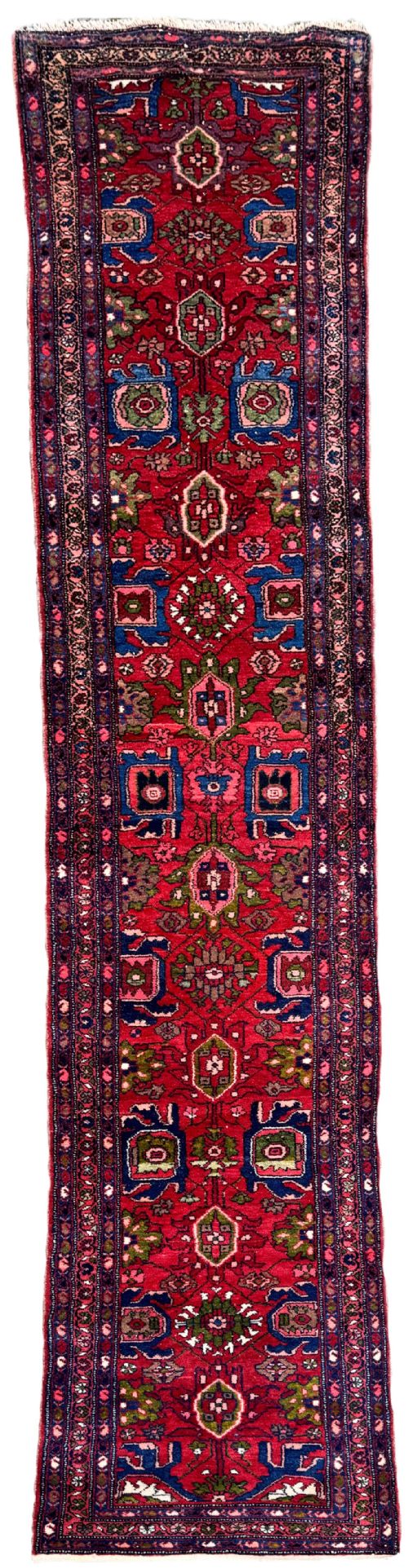
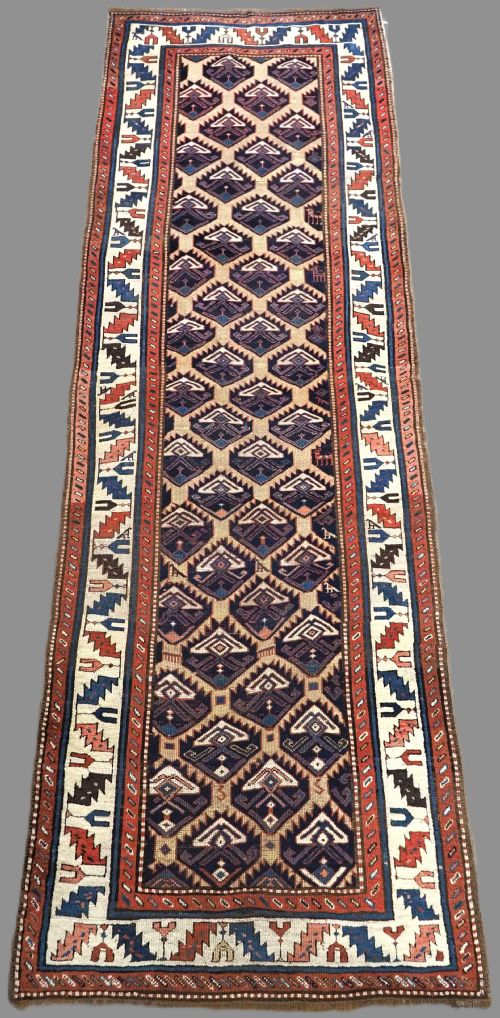
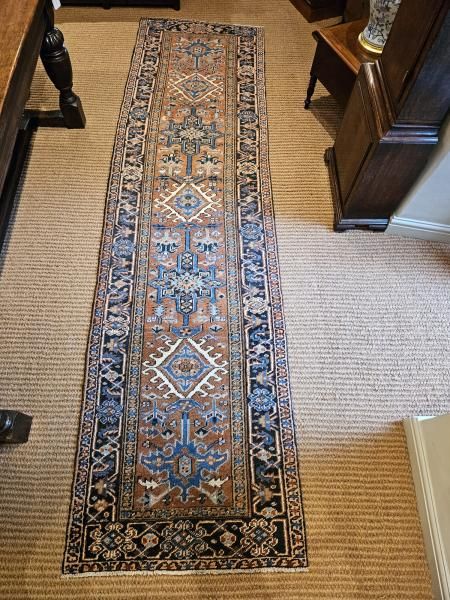
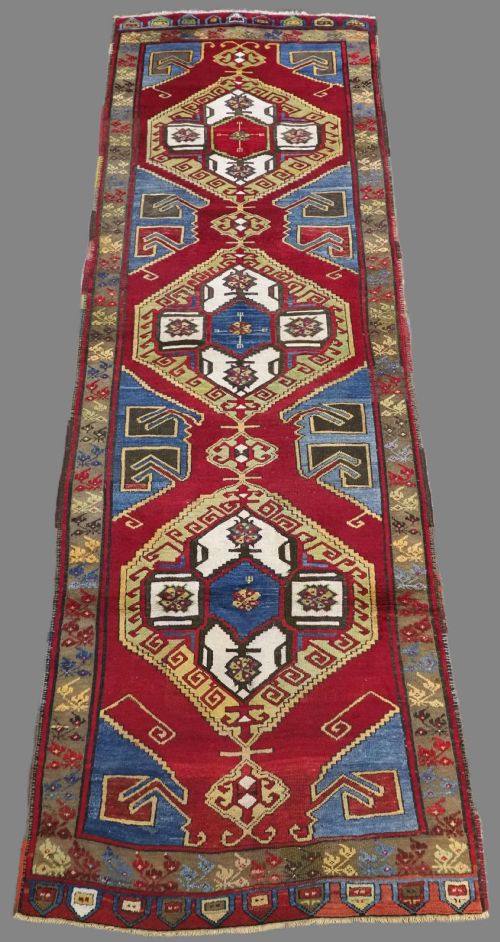
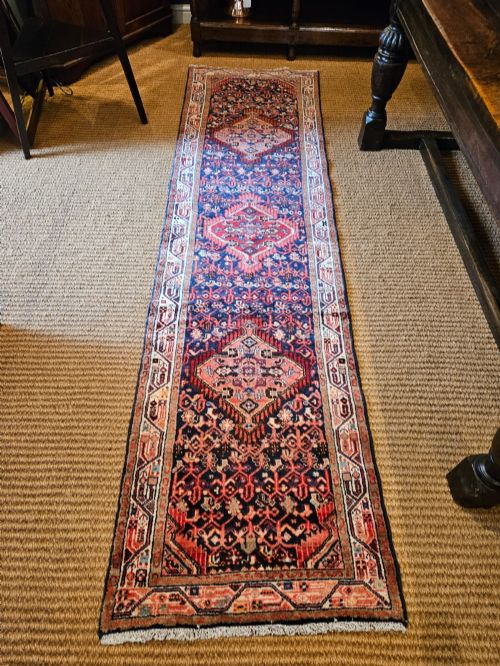
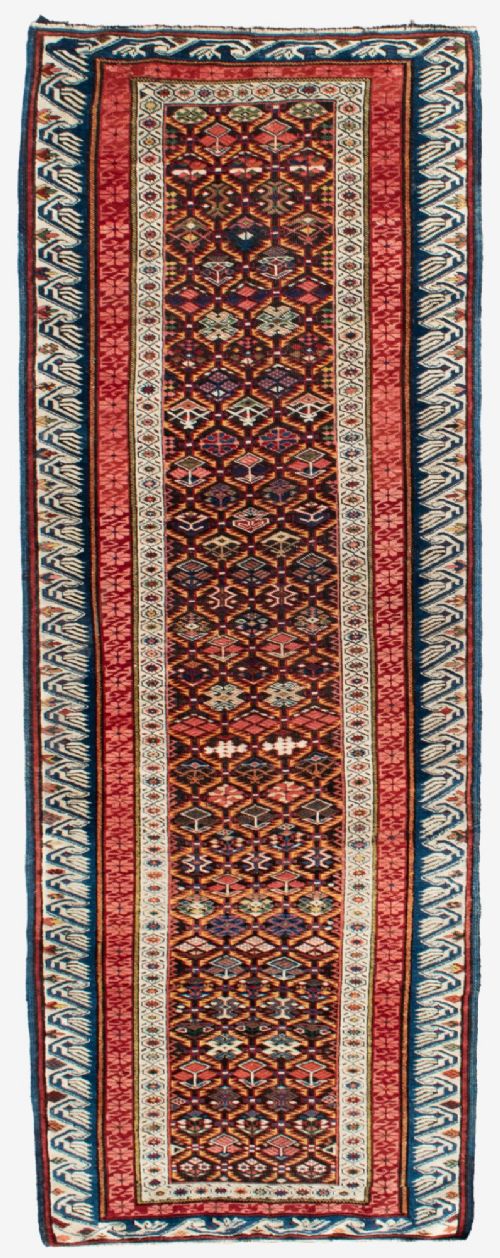
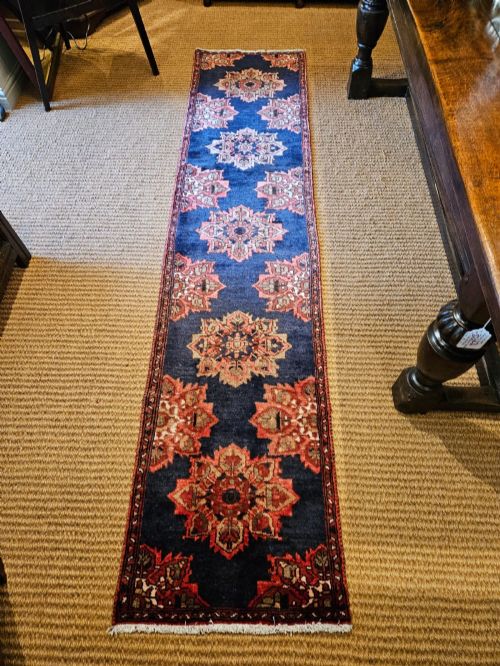
Traditional Corridor Runner Carpet
A traditional corridor runner carpet brings narrow spaces alive with centuries of weaving heritage from Persian, Caucasian, and Anatolian tribal workshops.
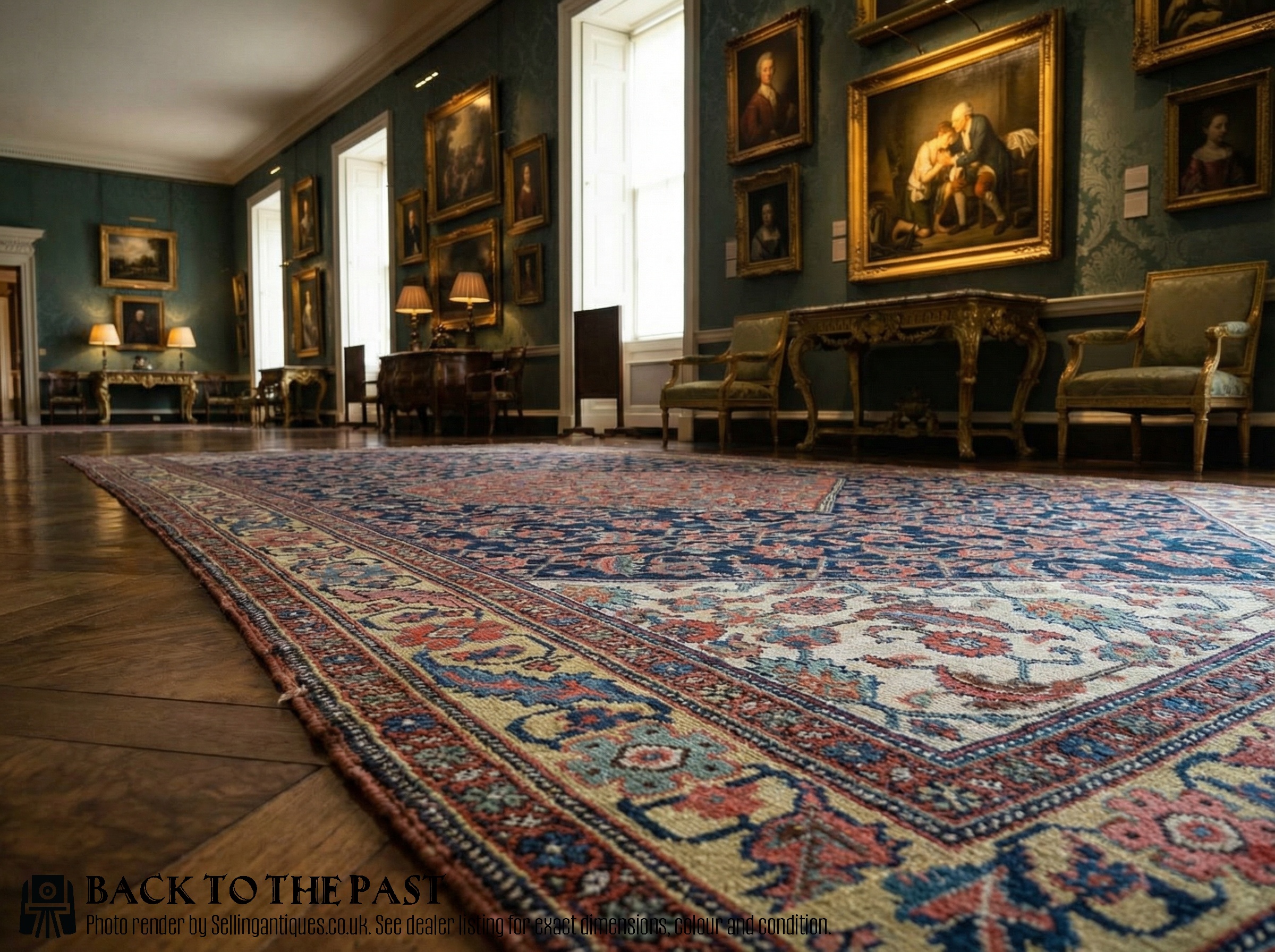
Traditional Corridor Runner Carpet
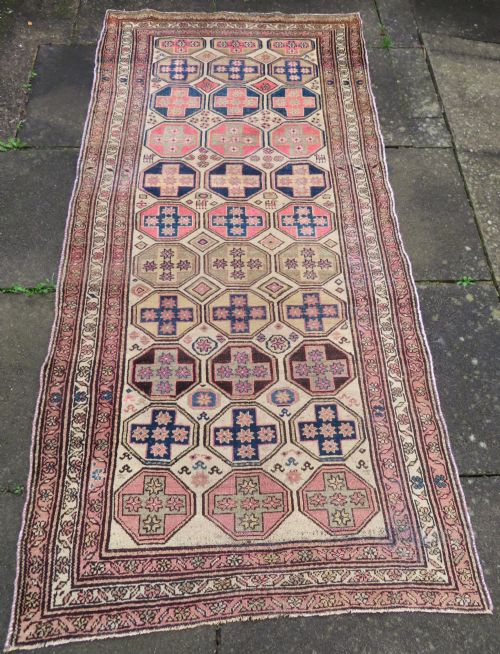
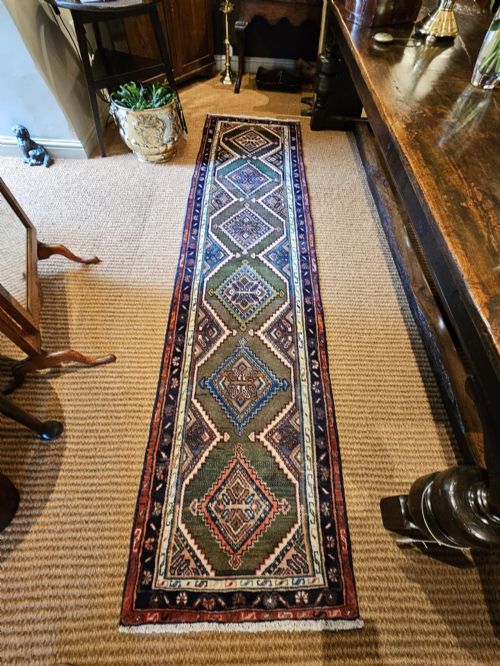
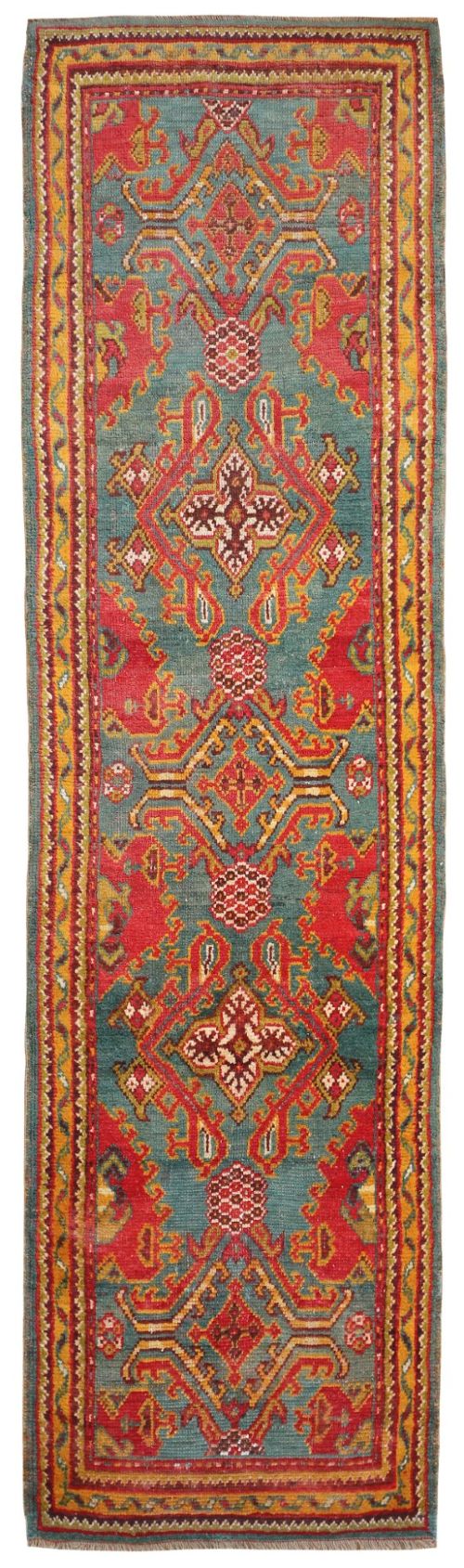
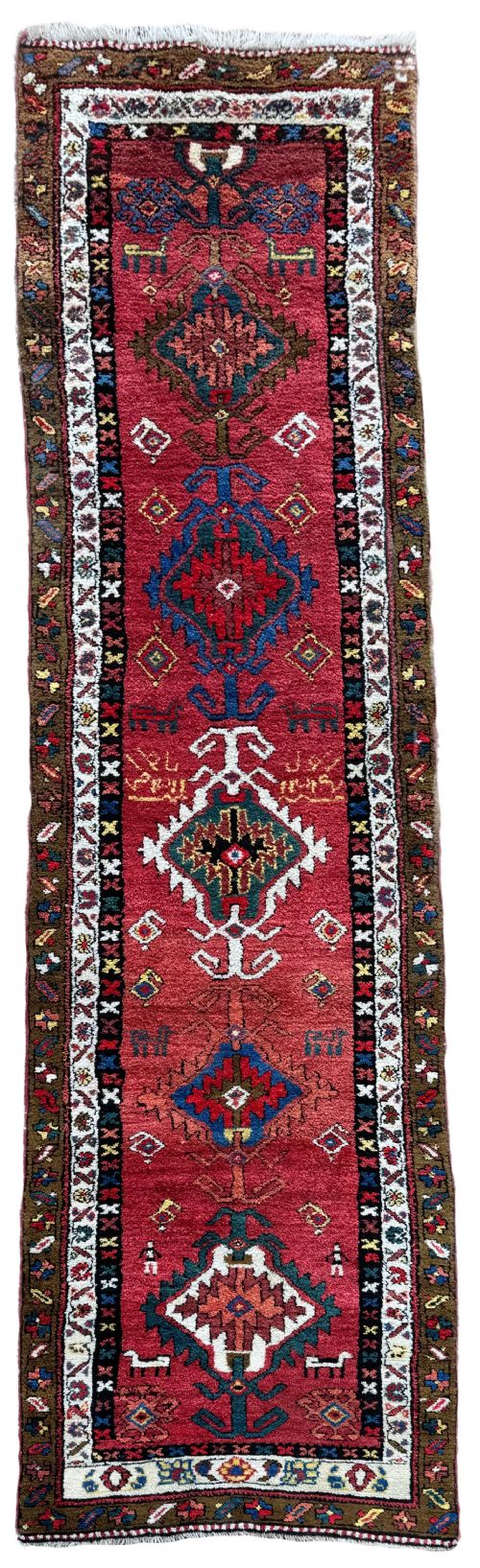
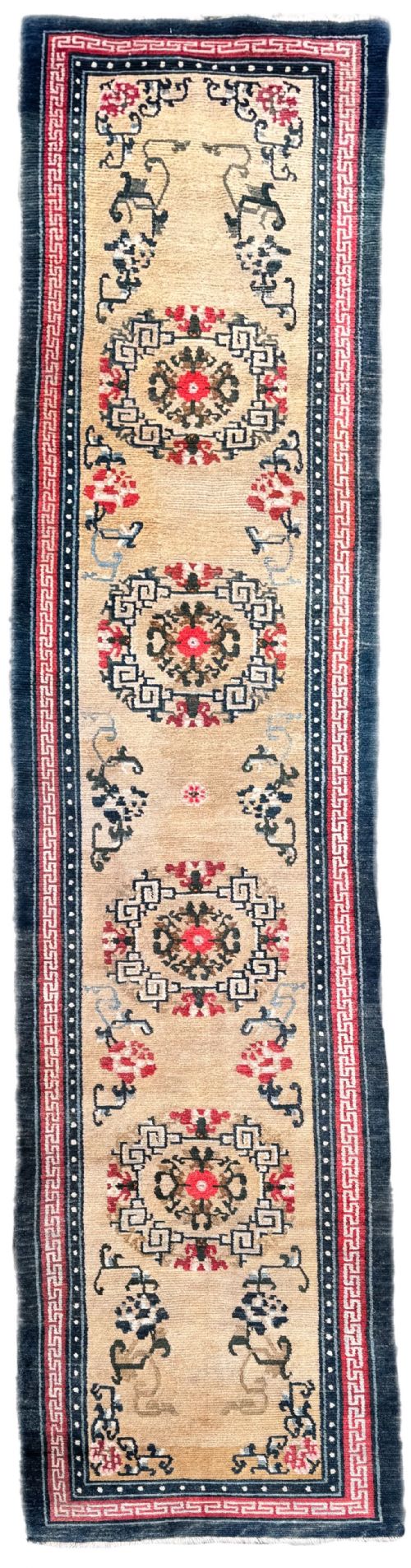
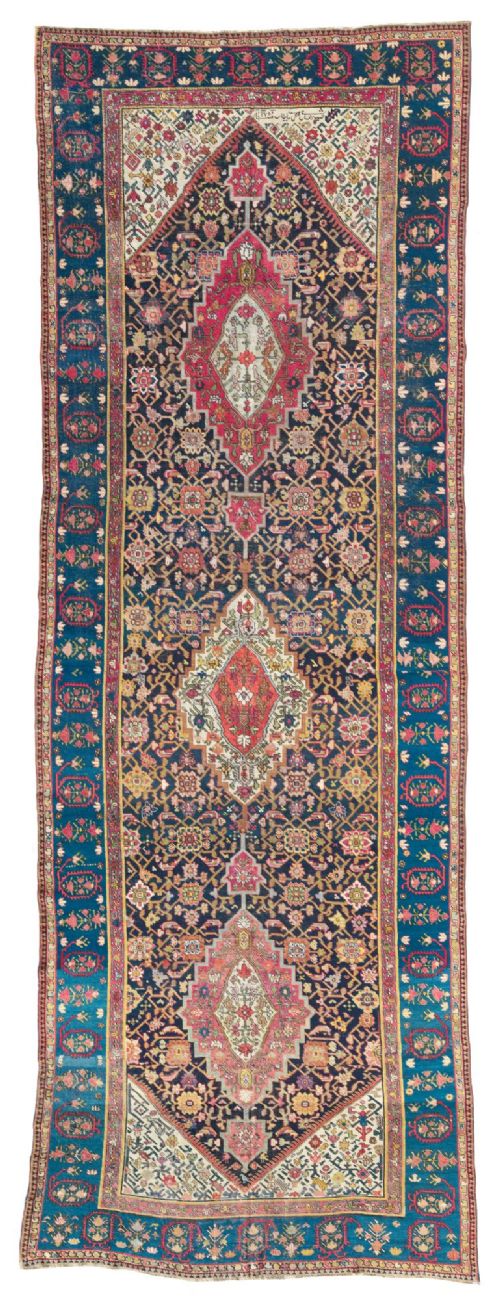
When searching for a traditional corridor runner carpet, buyers examine elongated floor coverings designed specifically for narrow hallways, landings, and passages. These pieces originate from various historical weaving traditions, spanning the nineteenth century through the early twentieth century.
How they were made
Weavers constructed these long carpets predominantly using wool and hand-spun wool for the pile, set upon sturdy cotton foundations. This combination provided the necessary durability for high-traffic hallway use while allowing intricate patterns to hold their definition over generations.
Natural dye methods produced the deep indigo, madder red, and olive green backgrounds seen across the pieces. Artisans tied individual knots by hand, resulting in dense structures that adapted to the narrow dimensions required for corridors.
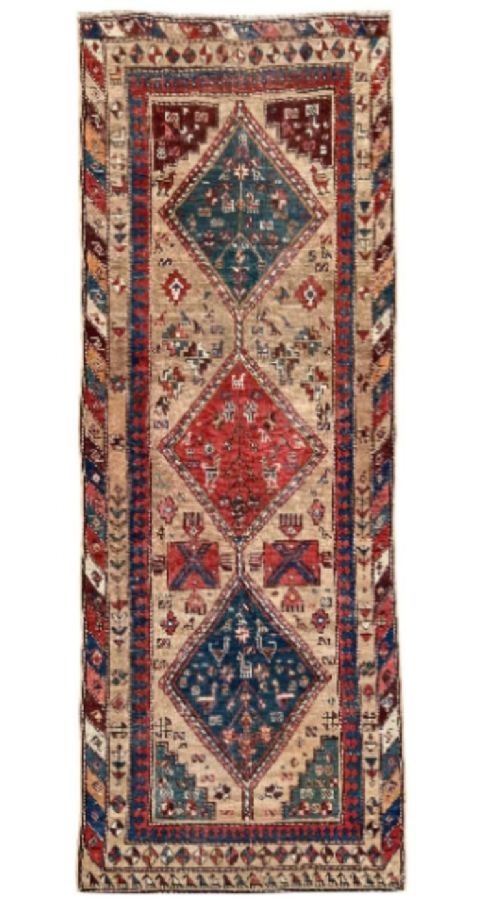
Makers occasionally wove slight asymmetries into long runners, resulting in wonderfully crooked Kazak pathways that curve gently across the floor.
What varies in quality
Knot density and precision of the geometric or floral layout dictate the refinement of a runner. Pieces with tighter, finer hand-knotting display crisper lines within the lattice and medallion designs.
The integrity of the wool and the depth of the natural dyes distinguish superior examples. Uniformity in the narrow width along extended lengths requires exceptional skill from the original weaver.
The Traditional Corridor Runner Carpet Glossary
- Kelleh
- A large format rug or runner, typically longer than a standard scatter rug but broader than a gallery runner. These pieces served specific architectural proportions in traditional homes.
- Runner
- An elongated, narrow carpet format designed for corridors, stairs, and hallways. Lengths span several metres while widths remain restricted.
- Heriz
- A style of Persian carpet originating from the Azerbaijan region, known for bold geometric medallions and robust construction. These runners withstand heavy foot traffic due to sturdy knotting.
- Kilim
- A flat-weave carpet produced without a pile by tightly interweaving warp and weft strands. Some pieces combine flat-weave sections with knotted pile areas.
- Caucasian
- Pertaining to rugs woven in the Caucasus region, characterised by striking geometric motifs and sharp colour contrasts. These runners often feature stylised animal and plant forms.
Traditional Corridor Runner Carpet: Frequently Asked Questions
Where should I place a long runner?
These carpets suit high-traffic narrow spaces such as corridors, hallways, and grand stair landings. Their elongated dimensions bridge rooms while protecting wooden flooring.
Ensure the passage width allows the runner to lie flat without folding against skirting boards. Proper placement frames the walkway while displaying the central medallion or lattice design.
How do I identify a Kurdish runner?
Kurdish tribal pieces often display robust geometric patterns, expressive village motifs, and saturated wool piles. Their construction relies on traditional knotting techniques passed down through generations in mountainous districts.
Look for distinctive abrash colour variations in the background wool, which signal the use of hand-spun yarn dyed in small batches.
What is an Ushak runner?
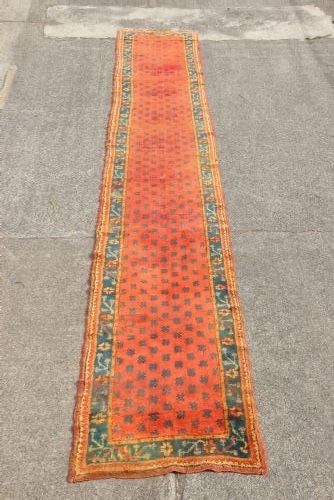
Ushak runners originate from western Anatolia and typically feature softer colour palettes with larger scale floral or geometric elements. These pieces display a more relaxed drawing style compared to city workshop carpets.
The relaxed geometry and warm tones allow these runners to integrate easily into both historic and contemporary interior schemes.
How are nineteenth century runners different?
Nineteenth century examples rely entirely on hand-spun wool and natural dye sources, yielding rich patinas that develop over decades of use. The weaving structures reflect regional tribal traditions uninfluenced by mass production.
Examining the reverse reveals the irregular knotting signatures of individual makers rather than the uniform precision of later mechanized looms.