



Persian Style Long Carpet
These persian style long carpet examples are narrow floor coverings designed for corridors, bringing rich traditional patterns and warmth to extended spaces.
Persian Style Long Carpet
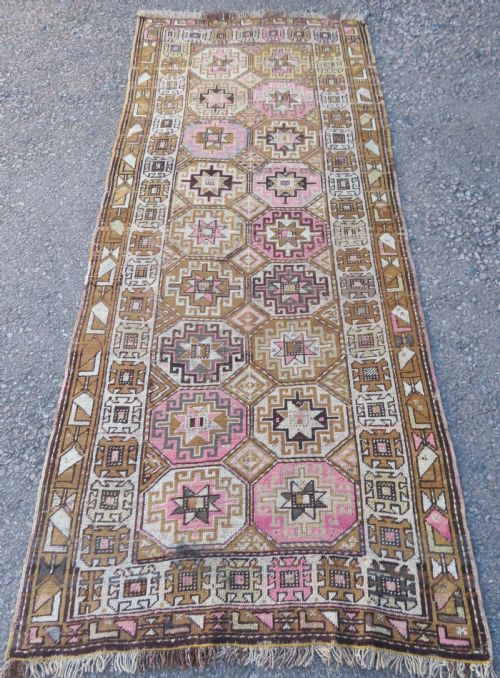
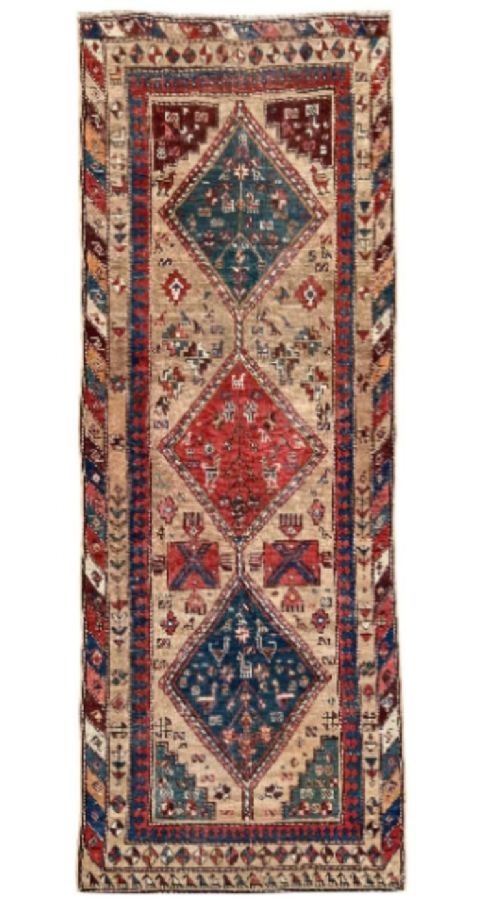
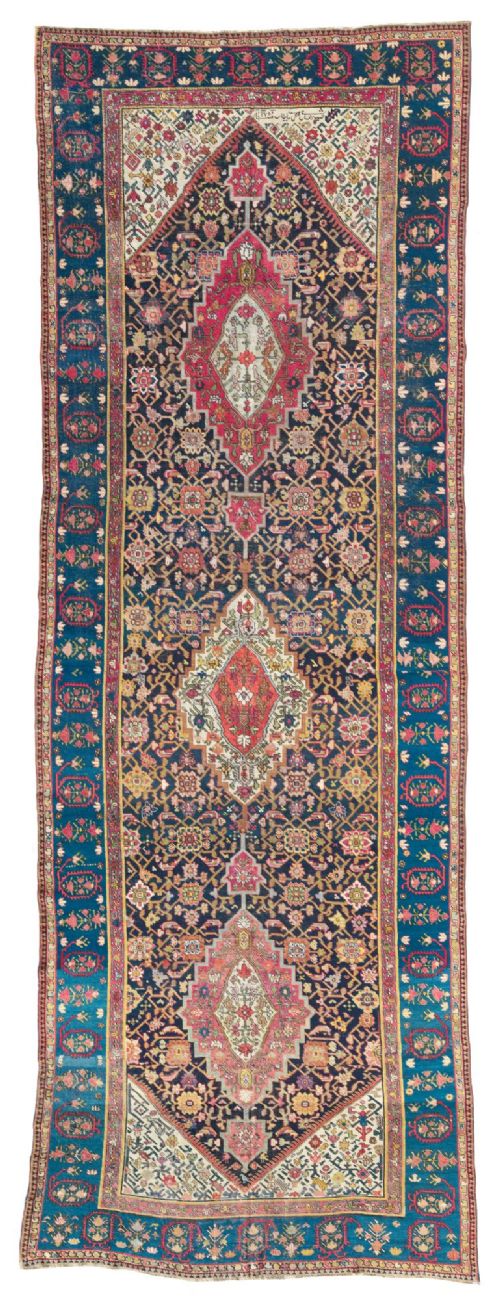
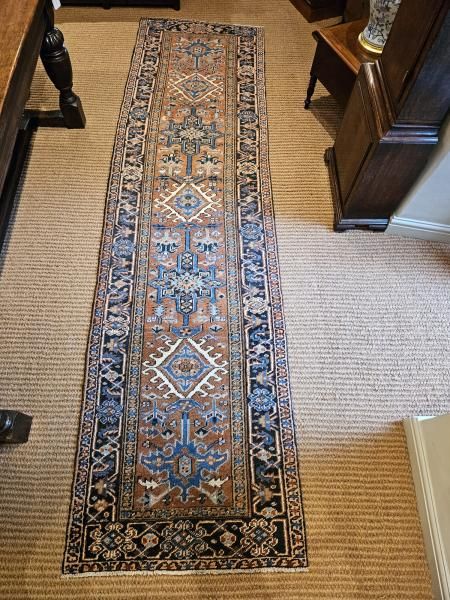
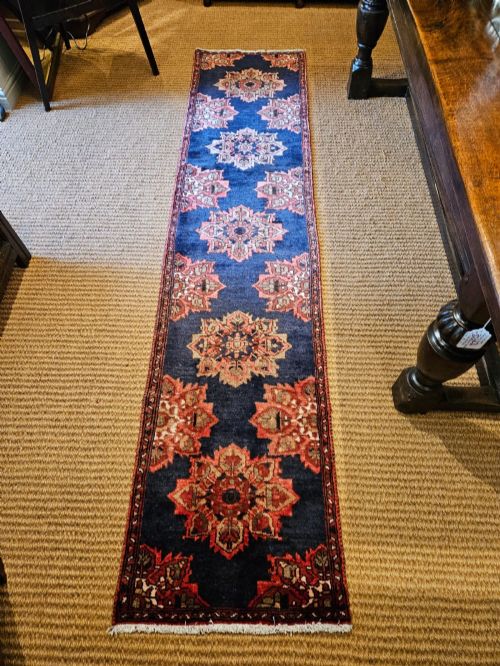
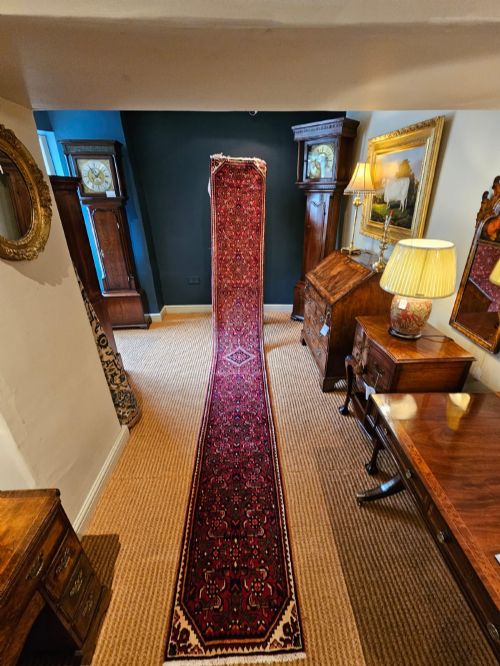
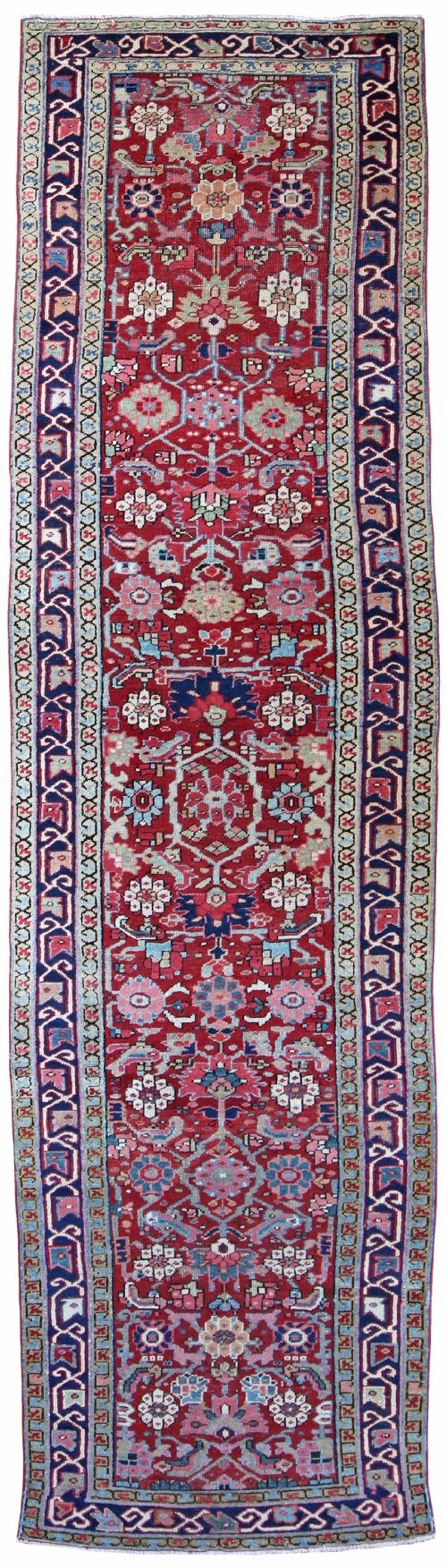
When you search for a persian style long carpet, you are looking at narrow floor coverings designed principally for hallways, corridors and long rooms. These pieces originate from various regional traditions and tribal workshops, spanning the latter half of the nineteenth century into the early decades of the twentieth century. The selection on this page relies heavily on runner rugs, hallway runners and long formats that suit linear architectural spaces.
The versions you are most likely to meet here include traditional Heriz runners, Sarab village pieces, and Caucasian or Anatolian long rugs. Makers historically tailored these formats to fit narrow interior thoroughfares, employing rectilinear or medallion layouts that draw the eye along the length of the floor. Each piece reflects the specific weaving grammar of its origin district, whether produced in a village household or a larger regional centre.
Materials and construction
These carpets are constructed primarily using wool pile knotted onto sturdy cotton or wool foundations, with occasional use of camel hair for natural coloration. The wool varies from standard fleece to hand-spun varieties that absorb dye with subtle tonal shifts along the length of the runner. Artisans secured the structural integrity of these narrow formats through dense knotting and reinforced selvedges designed to withstand heavy corridor footfall.
Dyers utilised natural sources to achieve the deep navy blue, olive green and mellow hues seen across these pieces. The combination of durable fibre selection and rigorous knotting techniques explains why these long rugs survive in usable condition over a century after their initial creation.
Several runners stretch past five metres in length, designed specifically to warm the echoing corridors of country houses.
Factors of quality
Quality in these long carpets rests upon the precision of the knot density and the crispness of the design execution. A finer knot count permits greater intricacy in motifs such as the boteh or tree of life, separating standard village productions from finer workshop examples. The integrity of the foundational warp and weft threads further determines how well a narrow runner maintains its straight edges over decades of use.
The handling of natural dyes also dictates the visual tier of a piece. Subtle tonal variations within the wool indicate superior dye baths, whereas flat or chemically uniform colouring lowers the aesthetic depth. The balance between proportion, wool quality and design clarity defines the upper echelon of these carpets.
The Persian Style Long Carpet Glossary
- Runner
- A long, narrow carpet format specifically proportioned for hallways, corridors, and stairs. This shape directs pedestrian movement through domestic spaces.
- Kelleh
- A large, oblong carpet format that is longer than a standard rug but broader than a traditional corridor runner. It serves prominent floor spaces in larger rooms.
- Boteh
- A traditional teardrop or almond-shaped motif with a curved upper end, frequently repeated in rows across field backgrounds. It represents a stylized floral or cypress element.
- Warp
- The stationary vertical strings stretched on the loom that form the structural skeleton of the carpet. Weavers tie the wool knots directly around these threads.
- Selvedge
- The bound or reinforced side edges of a carpet that prevent the lateral threads from unravelling. Secure finishing here protects the primary weave from fraying.
Persian Style Long Carpet: Frequently Asked Questions
Where should I place a long carpet?
These narrow formats are ideally suited for hallways, corridors, entryways, and alongside large beds where floor coverage needs to follow a linear path.
Their elongated proportions bridge open spaces while adding texture and traditional design to narrow architectural zones.
How do I identify a Heriz runner?
Heriz pieces typically feature bold, geometric medallion layouts and robust structural framing that distinguish them from curvilinear city workshop rugs.
They utilise sturdy foundations and strong wool to create durable runners capable of enduring heavy corridor traffic.
What is camel hair used for?
Weavers incorporated camel hair into the pile or structural elements to provide a naturally warm, undyed golden-brown tone.
This material adds subtle colour variation and tactile softness to specific sections of the carpet design.
How do I care for an antique runner?
Regular gentle vacuuming without a rotating brush roll prevents dust accumulation within the wool pile while protecting the antique foundation.
Professional specialist cleaning is recommended to maintain the integrity of natural dyes and hand-spun fibres.