







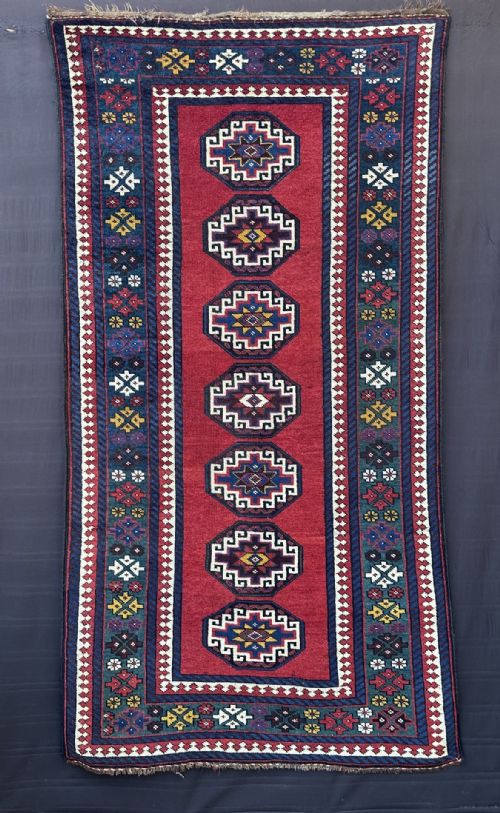
Antique Caucasian Runner Rug
These antique caucasian runner rug examples bring geometric tribal artistry into long narrow halls with hand-knotted wool and striking medallions.
Antique Caucasian Runner Rug
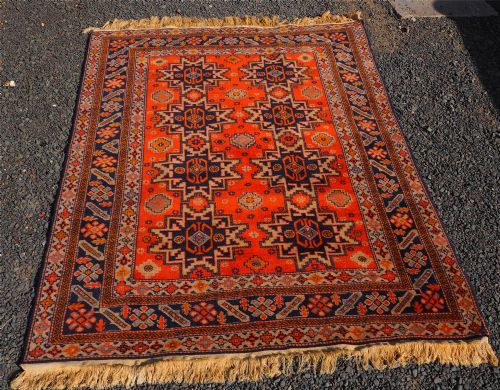
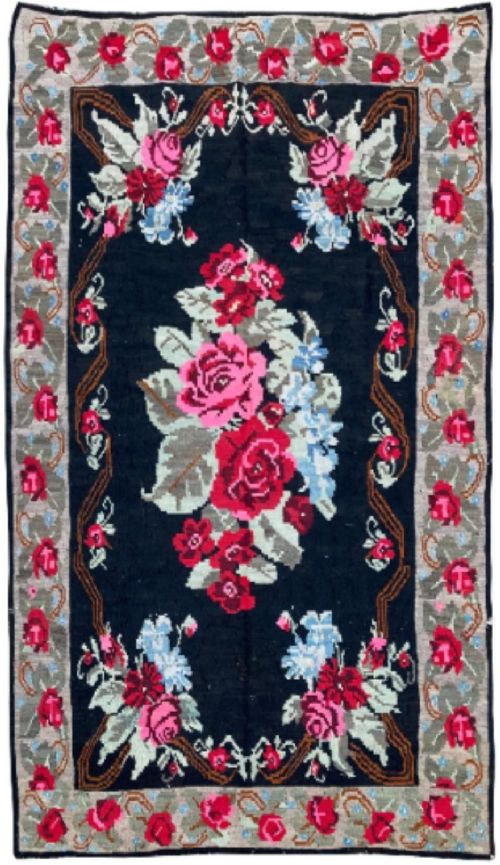
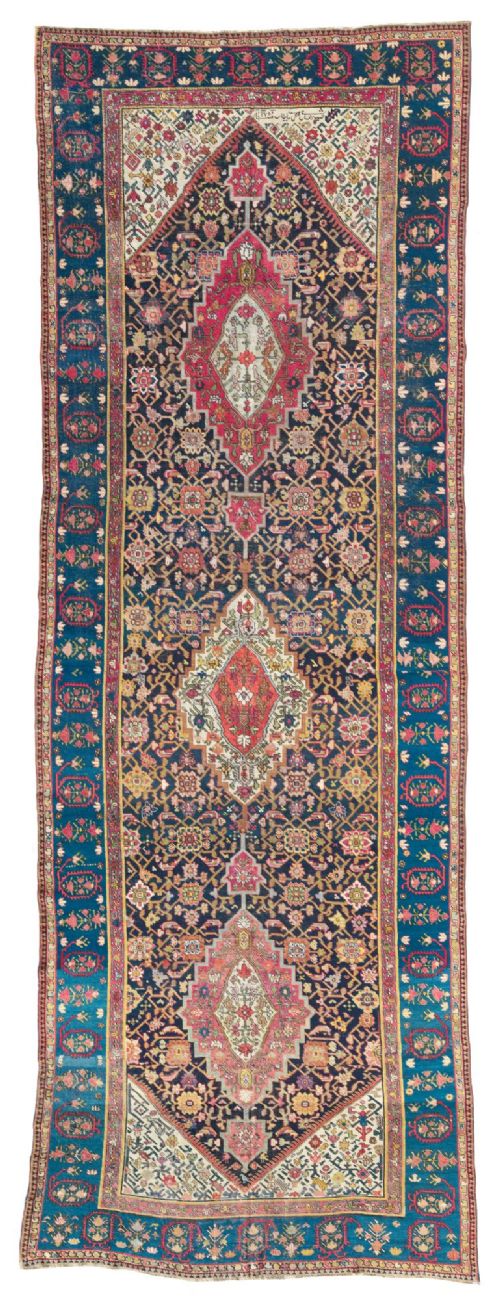
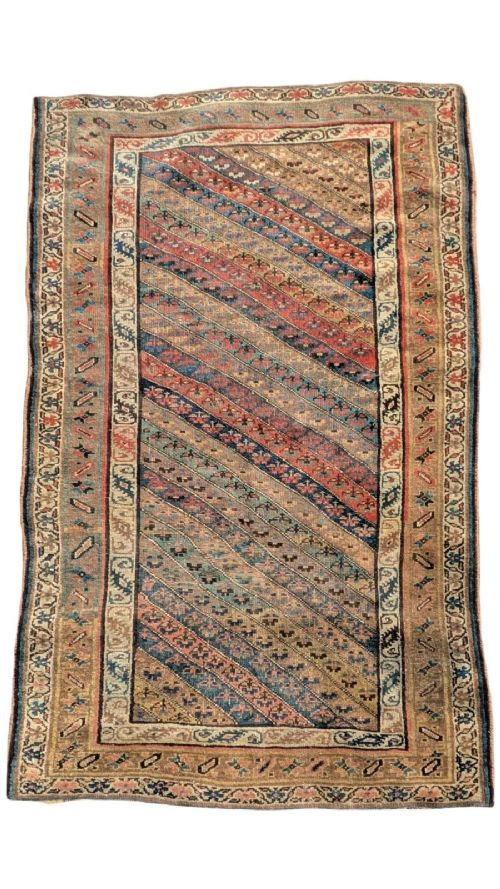
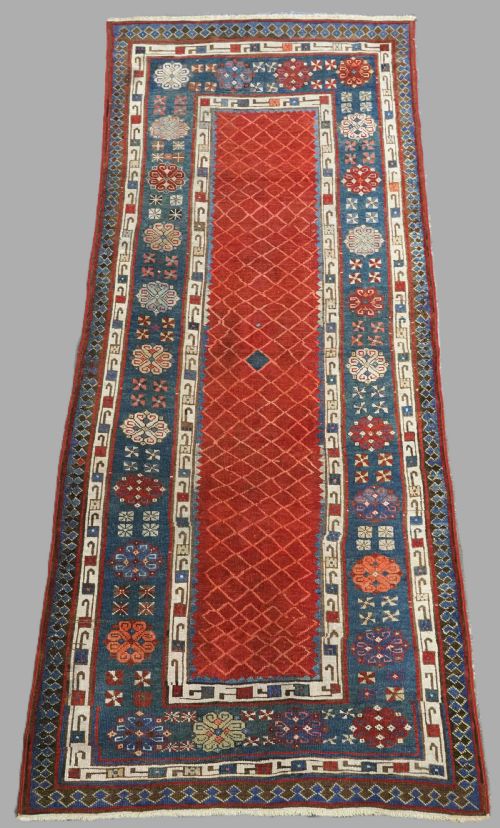
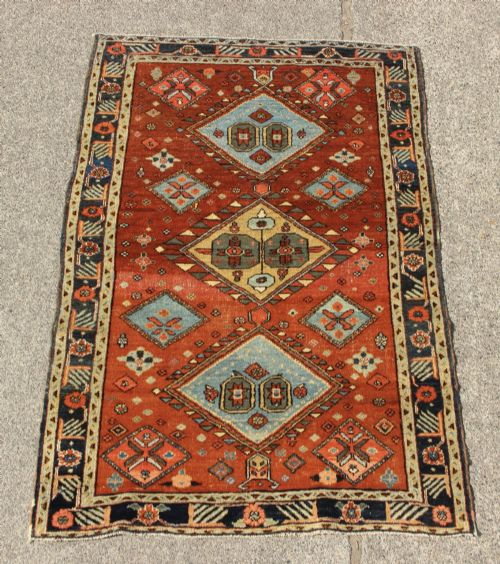
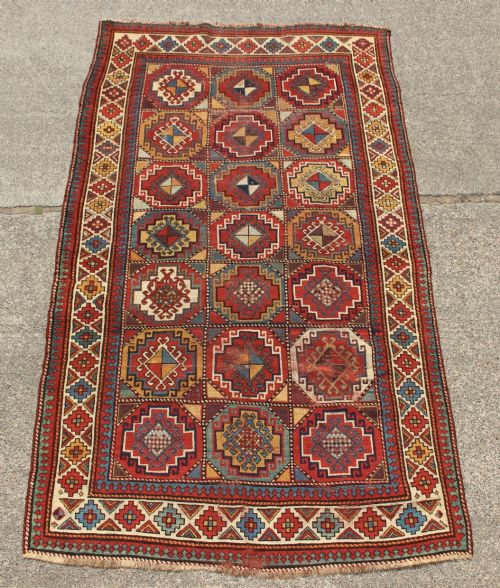
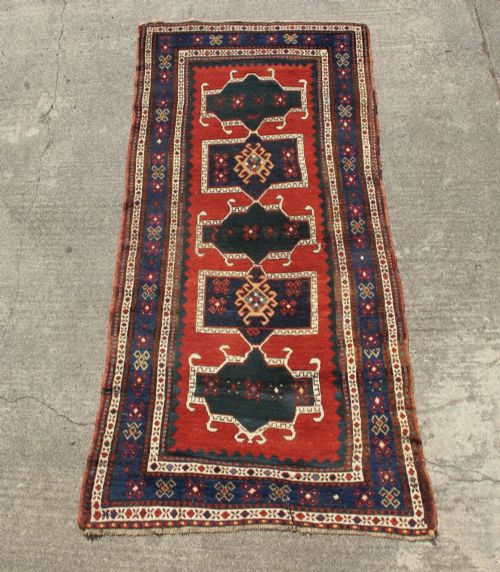
An antique caucasian runner rug is a long, narrow floor covering created by nomadic or village weavers in the Caucasus region during the nineteenth and early twentieth centuries. These pieces typically display bold geometric motifs, star medallions, lattice patterns, and stylised birds or animals.
The format serves long corridors, hallways, and narrow spaces where standard room-sized carpets fail to fit. Buyers encounter regional variations ranging from Gendje and Shahsavan weaves to Akstafa, Lampa-Karabagh, Shirvan, and Kazak productions.
How they were made
These textiles are constructed using traditional hand-knotting techniques with durable wool for both the pile and the foundation. Weavers utilised natural dyes derived from local plants and minerals to achieve the saturated hues seen across the surviving examples.
The narrow dimensions require sturdy vertical looms suited to nomadic and village production. Artisans built up the dense pile row by row, locking each horizontal weft firmly against the vertical warps.
Antique Caucasian Runner Rug Retail Price Guide 2026
Typical asking prices for caucasian runner rug among the pieces listed under this phrase on Sellingantiques today, from the lower quarter to the upper quarter. They describe what is for sale here now, not the wider market.
The listings span from 1870 through to 1920, executed entirely in wool across various traditional runner formats.
What varies in quality
Quality rests on the fineness of the knot density and the precision of the geometric drawing. Tighter knotting allows sharper definition in medallions, lattice work, and tribal symbols.
The depth and vibrancy of the wool pile contribute significantly to the visual weight of the piece. Superior examples maintain balanced proportions across extended lengths without distortion in the central field.
Gendje or Shahsavan·Akstafa·Lampa-Karabagh·Kurdish·Shirvan Baku·Kazak
The Antique Caucasian Runner Rug Glossary
- Medallion
- A distinct central ornamental motif set within the field of the rug. These often take star, diamond, or latch-hook forms.
- Pile
- The upright woolen loops or cut ends that form the soft surface of the carpet. This layer absorbs wear and displays the design.
- Warp
- The strong vertical threads stretched tightly on the loom before knotting begins. The fringe typically forms from the exposed ends of these threads.
- Weft
- The horizontal threads passed between the warps to hold the knots securely in place. Multiple shots of weft stabilise each row.
- Latch hook
- A stepped, hook-like extension projecting from geometric shapes in tribal weaving. This motif appears frequently in Caucasian and Kurdish designs.
Antique Caucasian Runner Rug: Frequently Asked Questions
Where should I place a runner rug?
These narrow textiles suit long hallways, corridors, and gallery spaces where they soften hard wooden floors and add warmth to foot traffic areas.
They also function effectively beside beds or in long entryways where standard rectangular carpets prove too wide.
How do I care for antique wool runners?
Regular gentle vacuuming without a rotating brush roll helps remove grit from the wool pile without damaging the hand-knotted structure.
Professional specialist cleaning is recommended for deep maintenance to preserve the integrity of the natural dyes and fibres.
What designs appear on Caucasian runners?
Common patterns include geometric star medallions, lattice frameworks, latch-hook borders, and stylised animal figures such as peacocks.
Each regional group utilises distinct combinations of symbols passed down through generations of village and nomadic weavers.
How do I date these antique rugs?
Dating relies on stylistic analysis, structural examination of the wool and foundation, and comparison with documented nineteenth-century examples.
Most pieces date from the late nineteenth century through to the early decades of the twentieth century based on dye palettes and weaving traits.