




Red and Yellow Rug
A red and yellow rug brings together bold chromatic energy and historic tribal craftsmanship across various nineteenth and early twentieth century formats.
Red and Yellow Rug
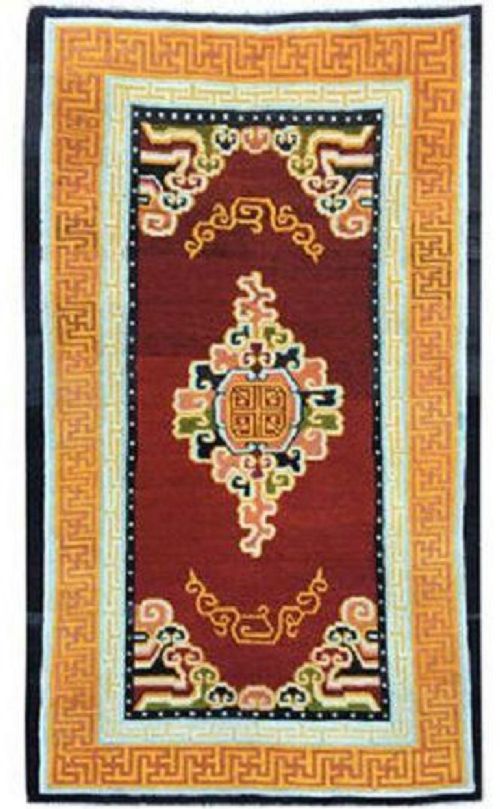
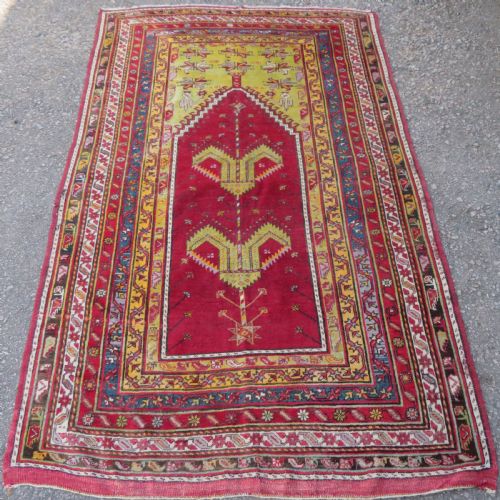
A red and yellow rug encompasses tribal and village weaving traditions originating from Anatolia, the Caucasus, Persia, and Central Asia. These textiles range from room-sized carpets and long runners down to smaller prayer mats, bagfaces, and decorative remnants.
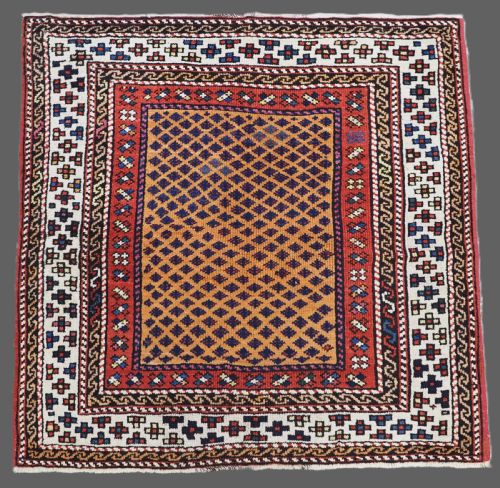
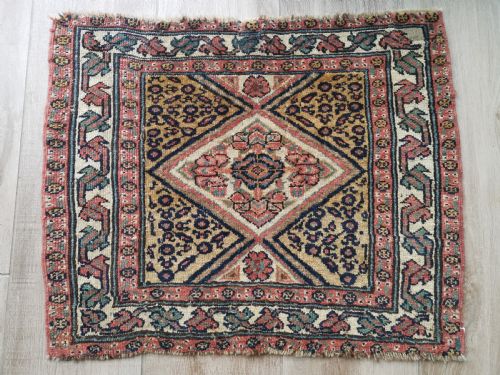
The version most commonly met on this page is a nineteenth or early twentieth-century village or nomadic piece, woven with geometric motifs, lattice patterns, or central medallions. Buyers encounter works attributed to specific regional groups such as the Kurdish, Gendje, Kazak, and Yomut traditions.
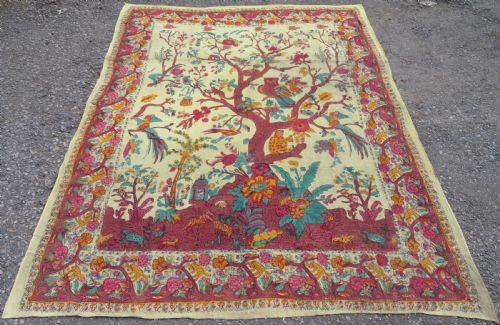
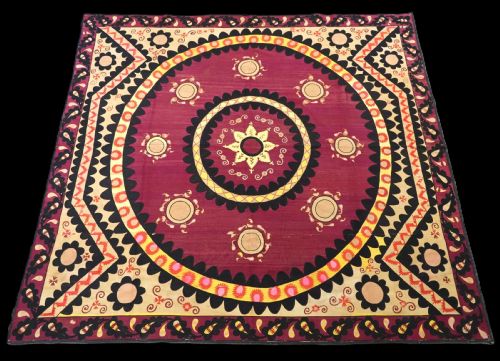
Beyond standard floor coverings, the category extends to flatweaves like kilims and soumaks, as well as embroidered suzanis and textile panels. Each format displays the striking interplay of warm crimson and sunny yellow tones recorded across the inventory.
Materials and construction methods
These textiles rely principally on wool, cotton, and silk foundations and piles, handled according to centuries-old regional methods. Weavers utilised natural dyes to achieve durable, saturated hues that develop a rich patina over time.
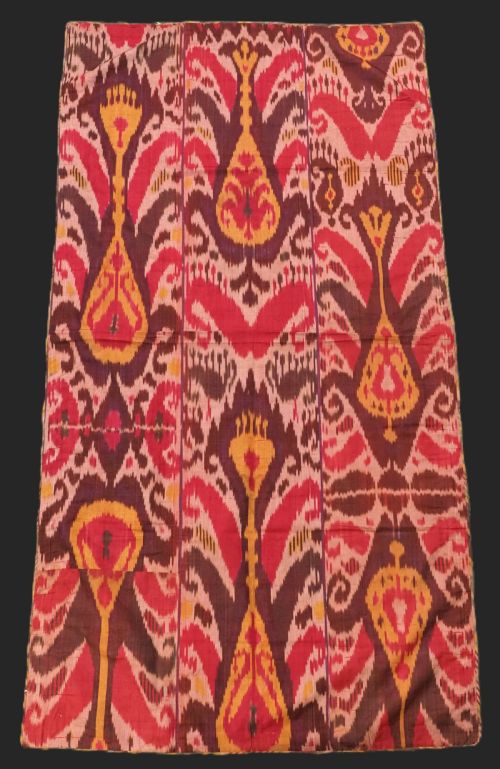
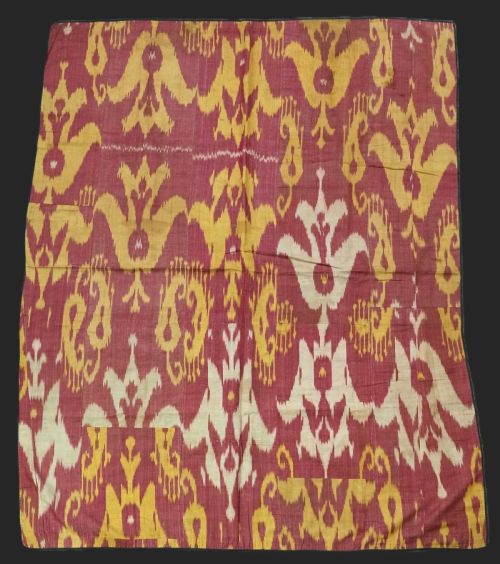
Nomadic and village pieces often incorporate sturdy wool for both warp and weft, ensuring resilience in daily use. Certain Central Asian panels and fabrics combine silk and cotton to create lighter, semi-silk adras structures suited for decorative hanging.
Several nomadic weavers clearly ran short of yellow dye halfway through, turning a symmetrical border into an impromptu colour experiment that still makes us smile.
Evaluating textile quality
Quality in these weavings rests upon the depth and saturation of the natural dyes, particularly how cleanly the crimson reds and golden yellows retain their vibrancy. Superior examples display subtle tonal variations within the colour fields, indicating skilled dye preparation.
Structural integrity and knot density further distinguish finer works from simpler village output. Tightly packed foundations and precise execution of geometric or floral lattice designs reflect the experience of the weaver.
The Red and Yellow Rug Glossary
- Prayer rug
- A small rug featuring a mihrab or niche design used historically for daily Islamic prayers. These pieces often focus vibrant colour around the central arch.
- Soumak
- A flatweave technique utilising a wrap-sewing process where working threads are wound over the warp beams. This method creates a thicker, durable fabric with a textured surface.
- Kilim
- A flat tapestry-woven carpet produced without a pile across various regions of Anatolia and Central Asia. They rely on tightly packed horizontal wefts concealing the vertical warps.
- Suzani
- A large, embroidered textile panel originating from Central Asia, typically worked on a cotton or silk ground. They frequently feature bold floral and medallion motifs in rich needlework.
- Bagface
- The front panel of a nomadic storage bag, preserved and collected as a small-format textile. These pieces concentrate intricate tribal patterns into a compact space.
Red and Yellow Rug: Frequently Asked Questions
How do I clean an antique rug?
Maintenance requires gentle vacuuming without a beater bar and professional hand-washing by specialists familiar with natural dyes.
Avoiding direct, prolonged sunlight preserves the balance of red and yellow tones over the years.
Where were these textiles made?
The pieces originate from traditional weaving centres across the Caucasus, Anatolia, Persia, and Central Asia. Nomadic tribes and village communities produced them for domestic use or local trade.
Each region developed distinct structural habits and palette preferences.
Are these pieces suitable for heavy foot traffic?
Many sturdy wool carpets and runners withstand everyday domestic use in moderate traffic areas. Thicer pile rugs absorb wear better than delicate flatweaves or embroidered silk panels.
Placing an appropriate underlay beneath the textile prevents slipping and reduces fibre friction.
What defines a tribal rug?
Tribal rugs are woven by nomadic or semi-nomadic groups working from memory rather than rigid scale drawings. Their designs feature symbolic motifs, geometric patterns, and asymmetric details.
These works prioritize local materials and traditional dyeing methods passed down through generations.