

Antique Jewellery Table
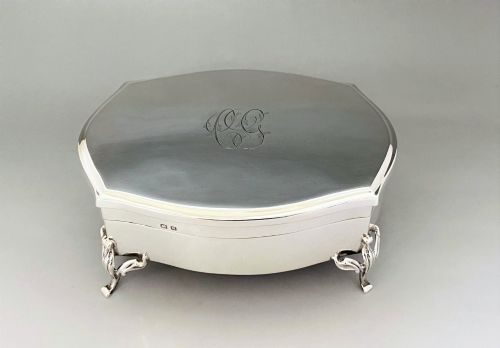
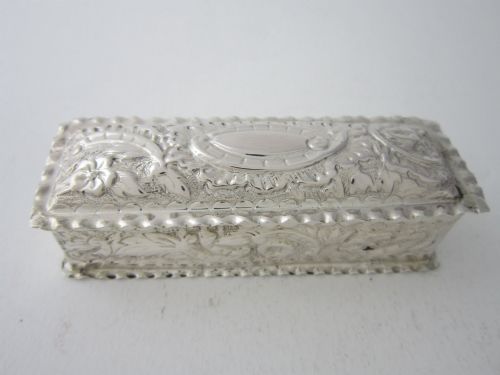
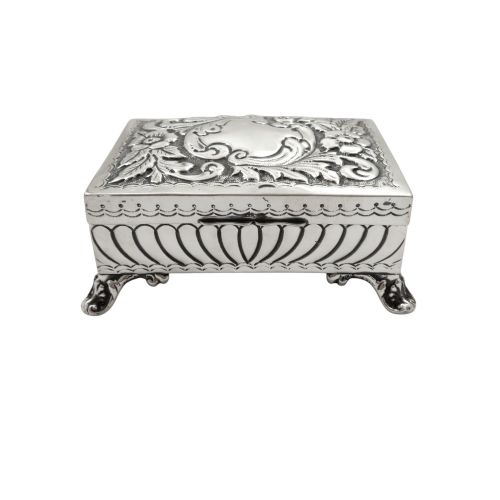
An antique jewellery table serves as both a refined display case and a secure container for precious personal trinkets.
Forms and Origins
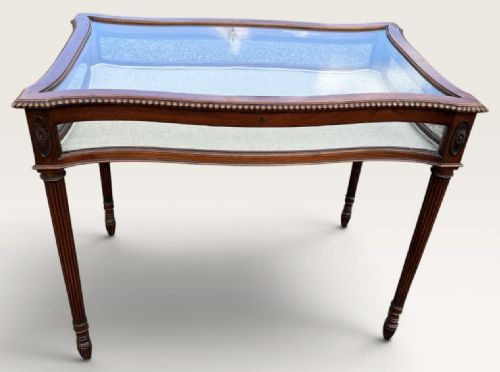
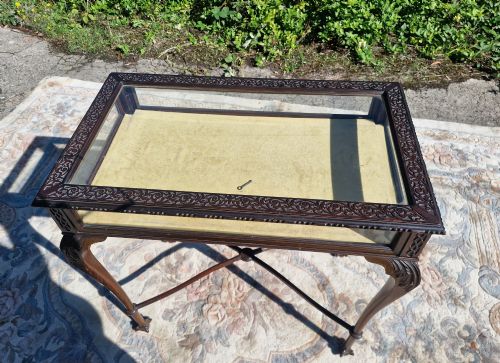
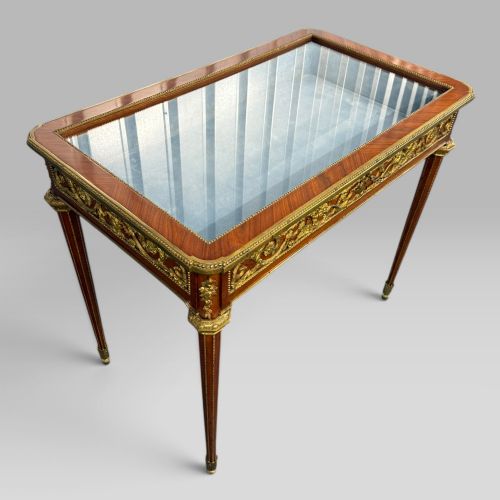
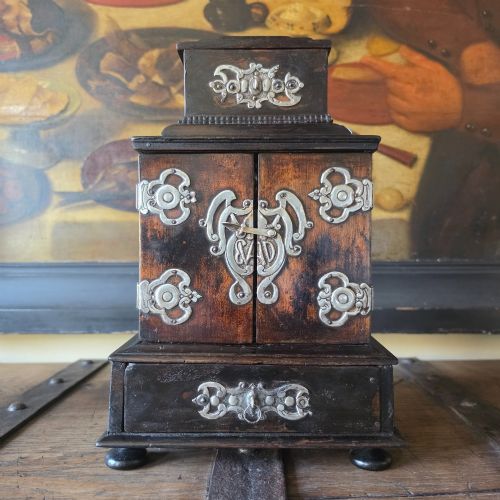
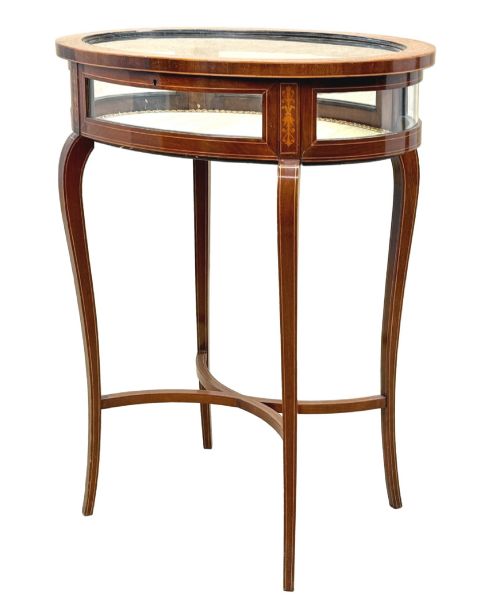
When searching for an antique jewellery table, buyers encounter specialised display pieces designed to showcase small treasures beneath glass surfaces. These pieces include bijouterie tables, vitrine cabinets, and table-top display cases originating from English and French workshops.
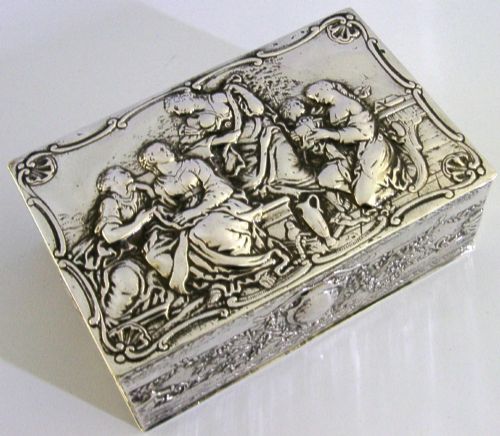
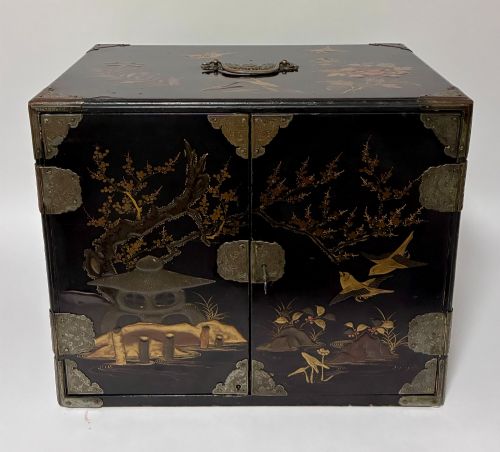
Earlier nineteenth-century examples lean towards compact table boxes and burr walnut collectors cabinets rather than glazed pedestal display tables. French Louis XVI and Louis XV styles provide decorative flourishes to many of the surviving specimens.
Materials and Construction
Cabinet makers utilised solid and veneered timbers including mahogany, burr walnut, rosewood, and kingwood. Glazed tops allowed viewers to inspect contents from above, while internal surfaces received linings of velvet or fabric.
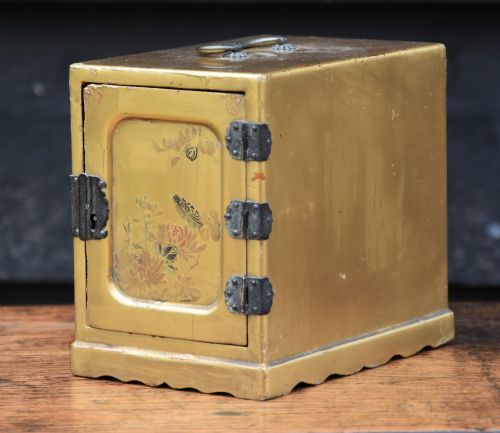
Ormolu mounts, brass stringing, mother of pearl inlay, and painted floral decoration enhanced the exterior appearance of fine specimens. Campaign-style boxes incorporated brass binding for durability during travel.
Retail Price Guide 2026
Typical UK retail prices for jewellery table, calculated from the Sellingantiques database of over a million retail prices indexed since 2003. This retail price guide relies exclusively on Sellingantiques data; no external sources or auction records are used, so the figures do not describe the wider market.
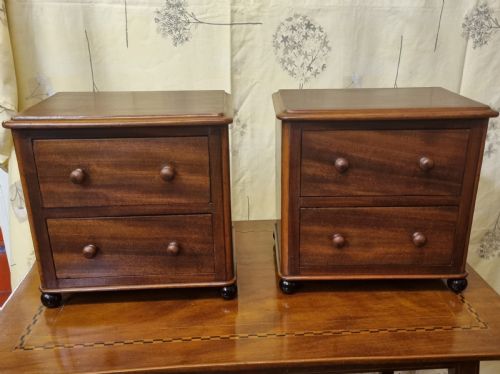
Current listings feature mahogany display tables alongside Edwardian and late nineteenth-century French revival pieces.
Quality and Craftsmanship
Superior examples demonstrate meticulous marquetry inlay, precise timber selection, and substantial cast ormolu mounts rather than stamped brass. The integration of the glass lid with the wooden frame reveals the underlying skill of the cabinet maker.
Condition of the original fabric lining and the integrity of the glass panels distinguish well-preserved pieces from heavily altered alternatives. Refined proportions and balanced decorative motifs separate standard production items from masterwork creations.
Edwards and Roberts
The Antique Jewellery Table Glossary
- Bijouterie table
- A glass-topped display table specifically designed for small ornaments, medals, and jewellery. These pieces elevate small treasures to eye level for inspection.
- Ormolu
- Gilded bronze ornamentation applied to furniture and decorative objects. This technique became prominent in French furniture styles during the eighteenth and nineteenth centuries.
- Marquetry
- Decorative veneer work arranged in pictorial or geometric patterns using various coloured woods. Craftsmen cut thin sheets of timber to fit together precisely within the primary surface.
- Vitrine
- A glass display cabinet intended to protect and exhibit delicate collectors items. Such enclosures keep dust away while permitting uninterrupted visual access.
Frequently Asked Questions
What is a bijouterie table?
A bijouterie table is a specialised display furniture piece featuring a glazed top and a shallow compartment beneath. These tables were designed for aristocratic homes to exhibit rings, watches, and small objets d'art.
They appear frequently in Edwardian and late nineteenth-century forms, often supported by slender legs and constructed from mahogany.
How do I date a jewellery table?
Dating relies on timber selection, hardware style, and decorative motifs such as marquetry or ormolu mounts. Edwardian and late nineteenth-century pieces often show lighter mahogany frames and delicate inlay.
Earlier nineteenth-century variants tend toward solid burr walnut table boxes or campaign styles with brass bound edges. Comparing construction techniques to known period examples clarifies the manufacturing era.
Were these tables made in France?
French makers produced significant numbers of display tables and vitrine cabinets during the nineteenth century. These often reflect Louis XVI and Louis XV design influences.
French pieces frequently incorporate elaborate ormolu mounts and Kingwood veneers. English makers also produced comparable designs influenced by Sheraton and Edwardian tastes.
What lines the inside of these tables?
Interiors typically feature fabric linings such as velvet to cushion delicate items against hard wood surfaces. These textiles protect the reverse of jewellery and medals during display.
Original linings add authenticity to antique specimens, though replacement fabric frequently occurs due to age and wear.
Can I use these tables for actual storage?
These tables function well for storing and displaying lightweight personal items like rings, brooches, and pocket watches. The shallow glass-topped compartments keep contents visible and organised.
Heavy objects or excessive moisture should remain outside the display area to protect fragile wooden joints and internal fabric linings.