


Antique Jesus Carving
An antique jesus carving brings devotional presence into a room, spanning centuries of hand-carved wood, polychrome finish and regional religious expression.
Antique Jesus Carving
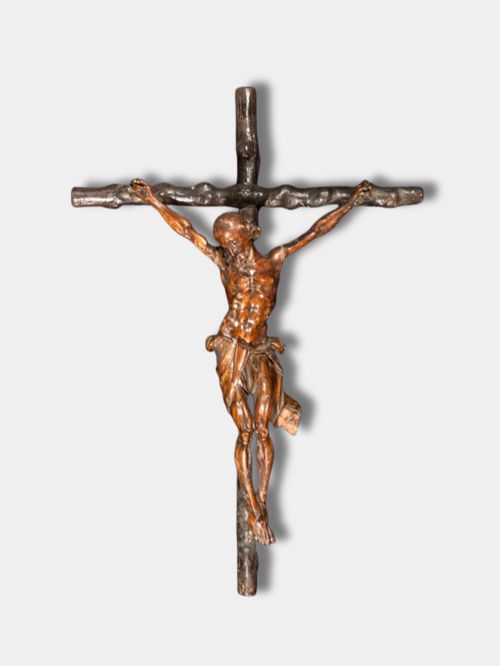
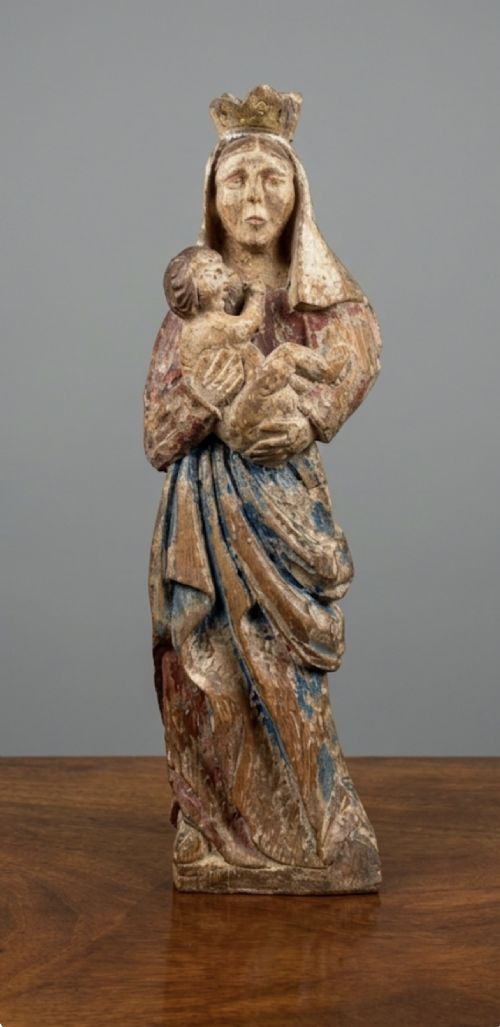
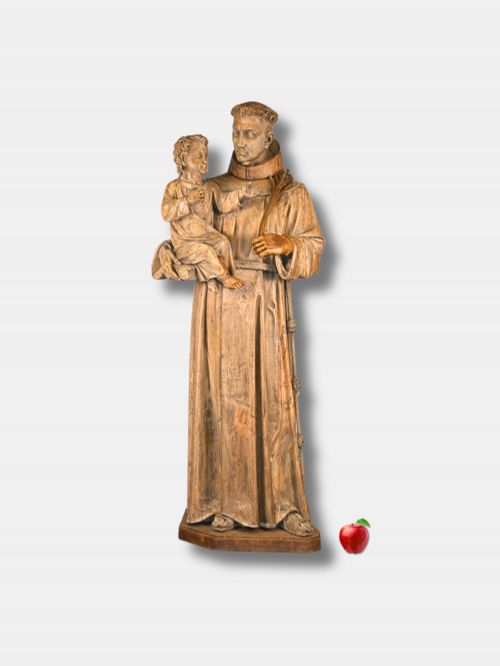
An antique jesus carving represents sacred figures through centuries of devotional artistry, spanning the seventeenth, eighteenth and nineteenth centuries. These pieces encompass standalone sculptures, crucifixes, wall reliefs and figure groups depicting scenes such as the Baptism of Christ or the Veil of Veronica.
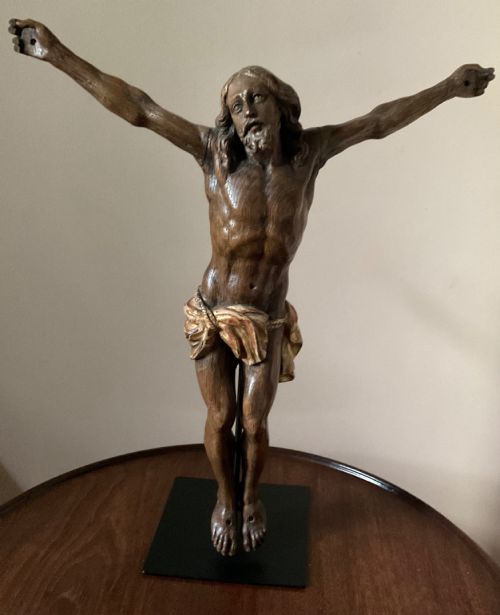
The version most commonly met on this page is the carved wood corpus christi or figure of Christ, often originating from France, Spain, Italy or Germany. Such works range from small domestic devotional objects to monumental panels and life-size statues.
Pieces emerge from distinct historical movements including Spanish Baroque, South German Baroque, Gothic Revival and religious folk art. Each region brought specific regional techniques and stylistic interpretations to the sacred form.
Assessing quality and execution
Quality rests upon the anatomical precision and expressive depth achieved by the carver's chisel. Superior examples display subtle musculature, sensitive facial detailing and natural drapery rather than stiff or generic forms.
The preservation of original surface treatments marks the division between exceptional and ordinary survivals. Intact polychrome paint and gesso layers contribute significantly to the visual power of a piece.
Some devotional figures wear remarkably detailed carved wooden hair that rivals contemporary portrait sculpture.
Bohumil Kafka
The Antique Jesus Carving Glossary
- Corpus Christi
- Latin for body of Christ, specifically denoting the figure of Jesus attached to a cross. This term appears frequently in descriptions of antique crucifixes.
- Polychrome
- Decorated in multiple colours, typically applied over gesso on wood. This finish brought a lifelike appearance to religious statuary.
- Gesso
- A plaster mixture applied to wood surfaces to prepare them for gilding or painting. It creates a smooth ground for fine polychrome detail.
- Wall Relief
- A sculptural technique where figures project from a flat background panel. These pieces were designed to be mounted directly onto walls.
Antique Jesus Carving: Frequently Asked Questions
What is a corpus christi?
A corpus christi is the carved or cast figure of Jesus shown affixed to a cross. These range from small domestic carvings to large church examples.
They appear across various European styles, reflecting the specific devotional art traditions of their origin.
How do I date an old wooden carving?
Dating relies on tool marks, timber selection, stylistic cues from periods like the Baroque or Gothic Revival, and the ageing of gesso and paint layers.
Examining the back and mounting points often reveals construction methods specific to certain centuries.
Where were these sculptures originally displayed?
These carvings stood in churches, domestic shrines, monastery chapels and private prayer rooms. Larger panels and life-size figures formed central elements of altarpieces.
Smaller shadowboxes and crucifixes served personal devotion within domestic spaces.
How should I care for polychrome wood?
Protect polychrome and gesso surfaces from direct sunlight and sudden humidity changes to prevent paint flaking and wood splitting. Dust gently with a dry, soft brush.
Avoid liquid cleaners or polishes that might damage historic painted finishes.