
Antique Polychrome Statue
An antique polychrome statue brings historic colour and form into a room, spanning centuries of carved wood, glazed porcelain, and painted bronze.
Antique Polychrome Statue
When you search for an antique polychrome statue, you enter a diverse field of figurative sculpture spanning the medieval period to the twentieth century. These works range from walnut saints and limewood dancers to porcelain birds and cold-painted bronze figures.
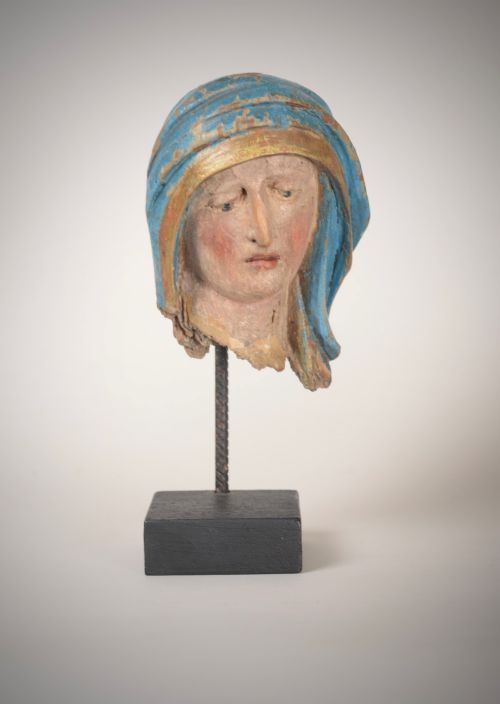
The versions most commonly met on this page include nineteenth-century European porcelain figurines and twentieth-century cold-painted bronzes, alongside earlier carved and painted wooden religious fragments.
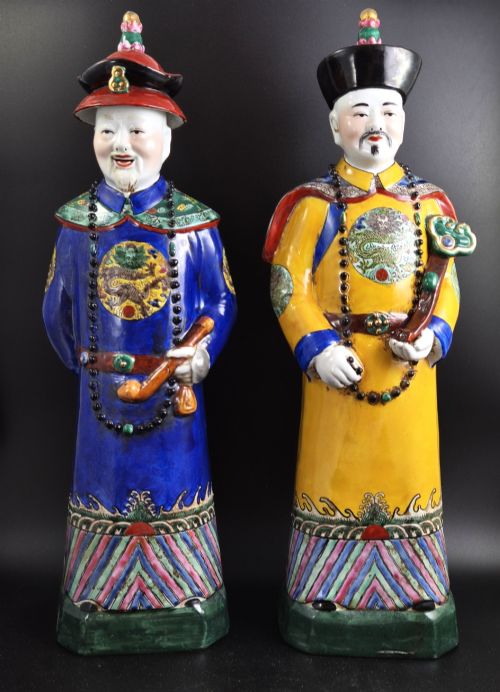
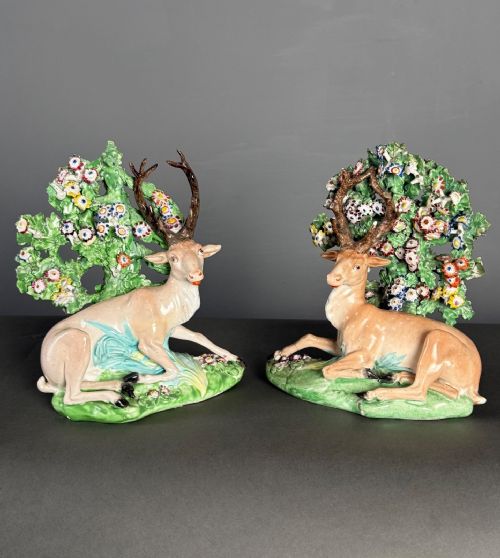
Makers and regional workshops across England, Germany, France, Japan, and China applied paint, enamel, and gold leaf directly to ceramic, wood, and metal surfaces to create vivid three-dimensional representations of humans, animals, and deities.
Materials and construction methods
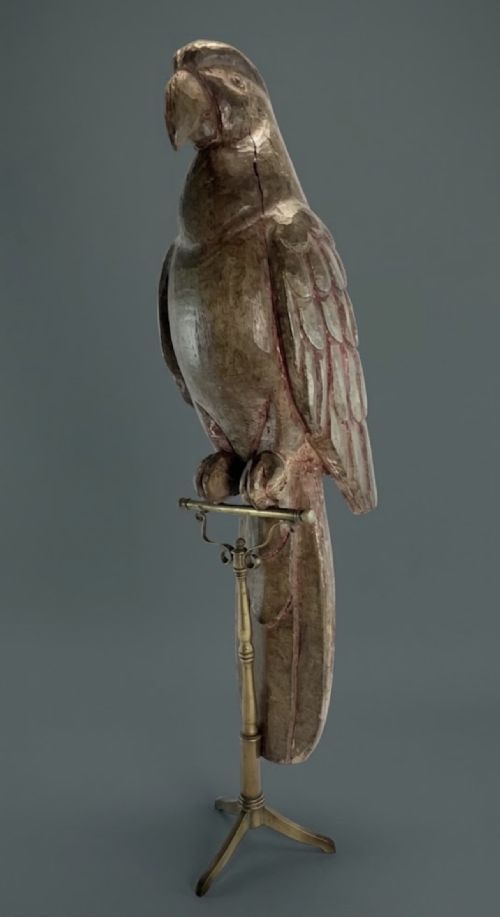
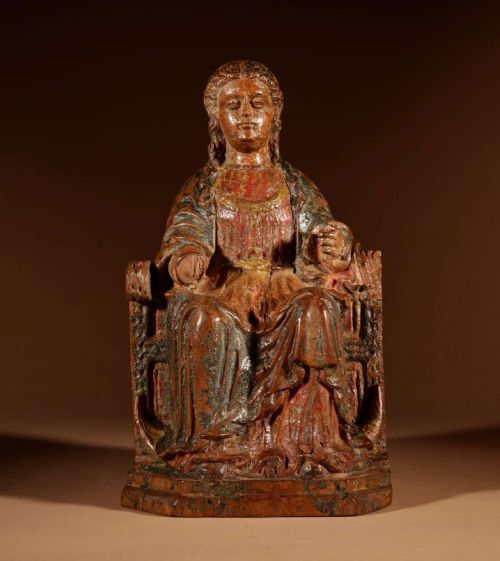
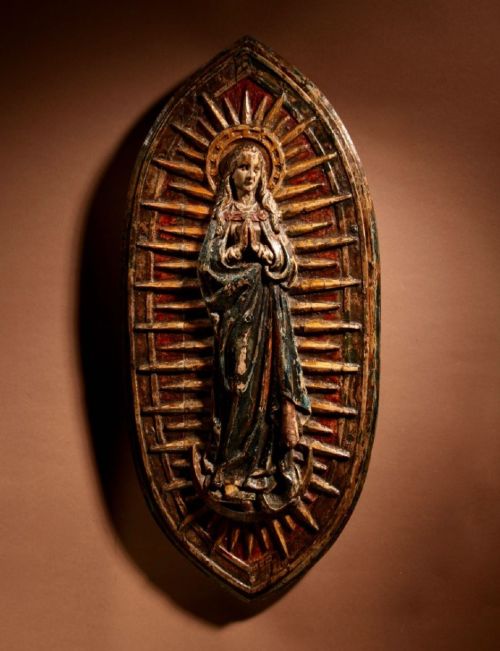
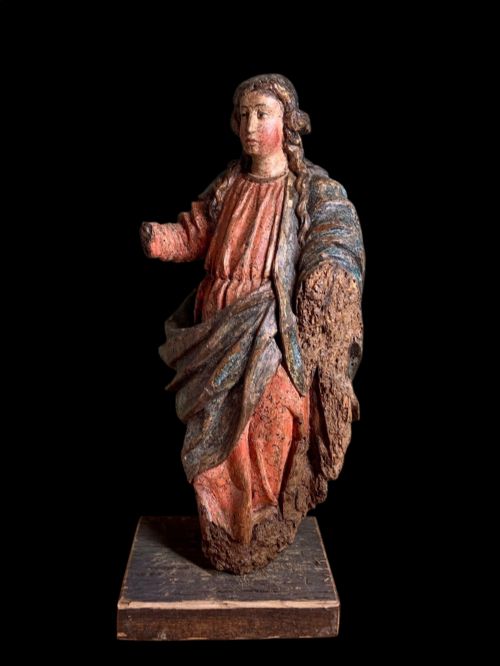
Carved wood surfaces in these sculptures received layers of gesso before painters applied pigments and gold leaf to create rich, durable decoration on figures like saints and cherubs.
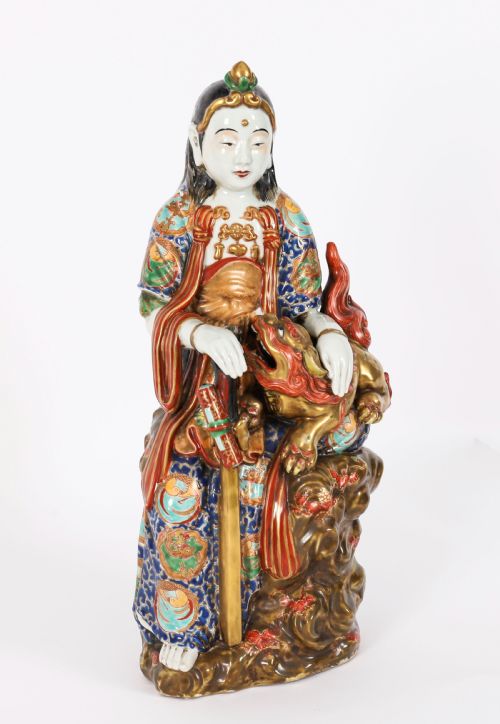
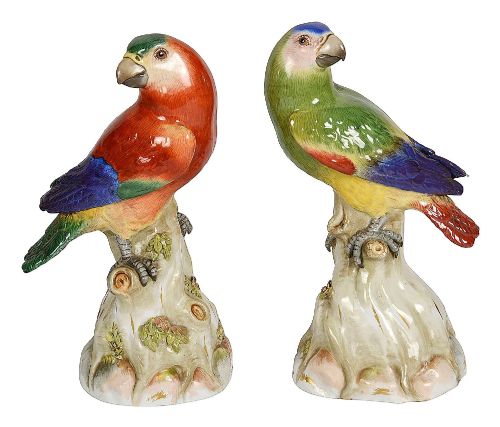
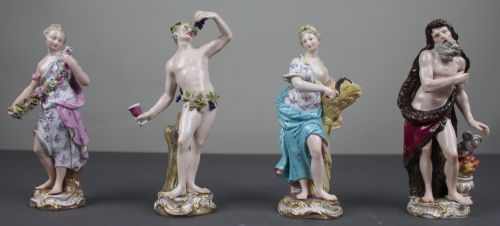
Ceramic works combine earthenware, faience, or porcelain bodies with applied glazes and hand-painted enamels, fired in kilns to vitrify the colours before final detailing.
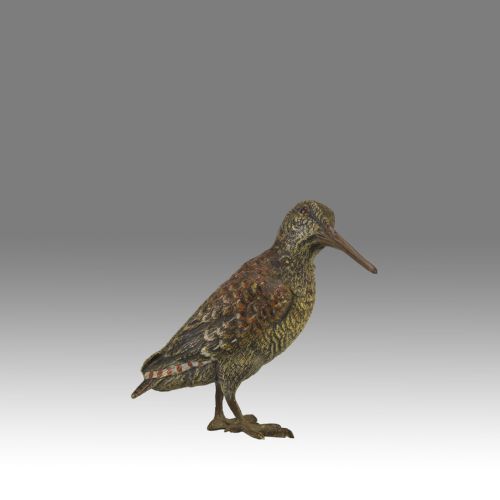
Metal sculptures utilise bronze cast through the lost-wax method, finished with cold-painted pigments applied after casting rather than fired in a kiln.
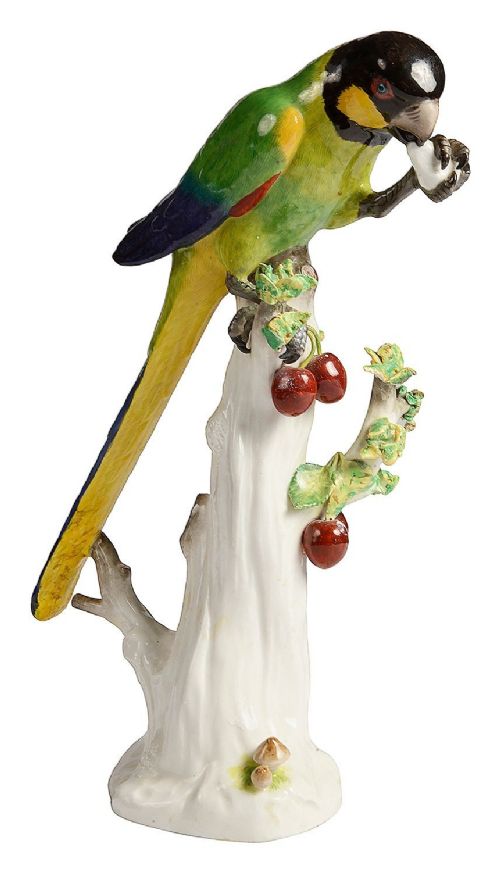
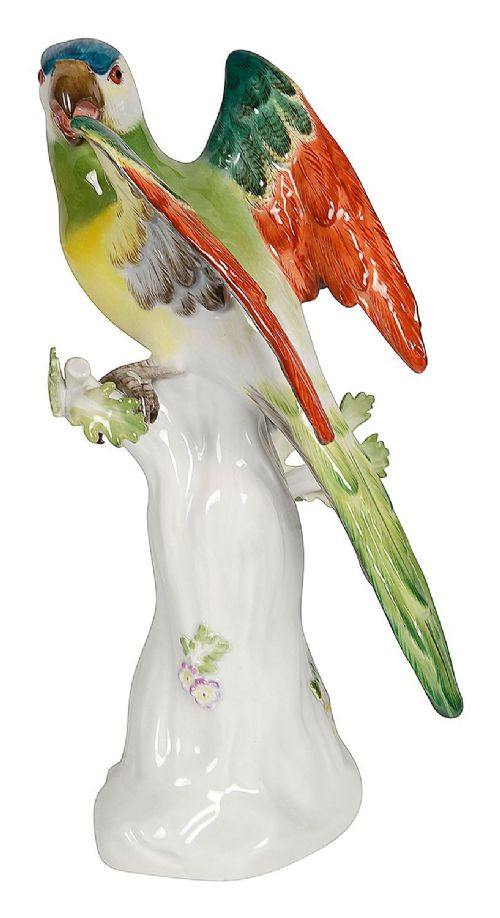
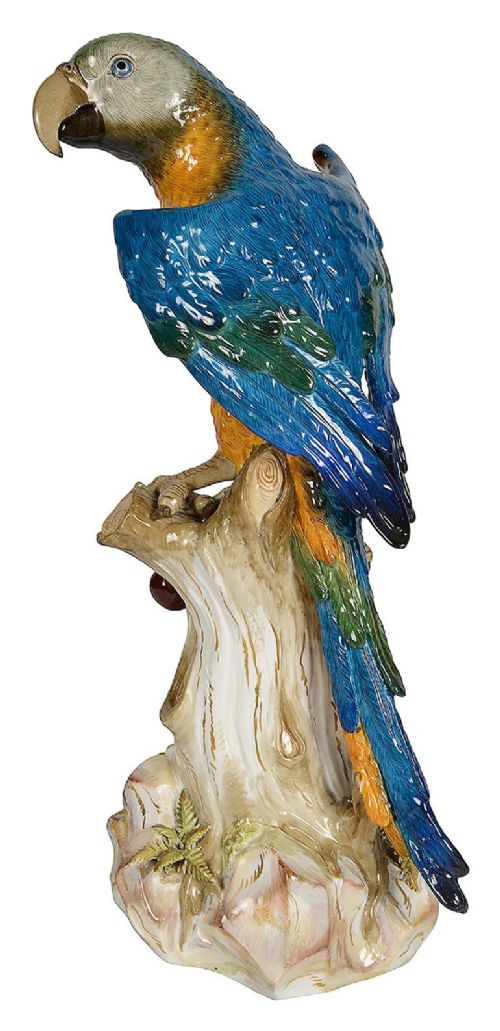
A porcelain parrot sits perched on a tree trunk, ready to brighten a room without demanding any crackers.
Distinctions in quality and execution
The tier of a piece depends heavily on the precision of the initial carving or moulding, where anatomical accuracy and expressive detail separate workshop output from master production.
The preservation and hand of the polychrome decoration dictate value, with crisp, undisturbed layers of original paint and gilding showing superior artistic intent.
Signatures, factory marks, or documented attributions to notable modellers and foundries anchor a sculpture firmly within its historical tier.
Franz Bergman·Meissen·Charles Vyse·John Bevington·Volkstedt Rudolstadt Factory
The Antique Polychrome Statue Glossary
- Polychrome
- Decorated in several colours. This term applies equally to painted wooden carvings, glazed ceramics, and cold-painted bronzes.
- Cold-painted
- A technique where paint is applied to a bronze casting without subsequent firing. This finish requires careful handling to preserve the original pigment.
- Gesso
- A plaster mixture applied to carved wood as a smooth base for paint and gold leaf. It creates a solid foundation for intricate polychrome detailing.
- Faience
- Tin-glazed earthenware produced across Europe. It provides an opaque white surface suitable for vibrant painted decoration.
- Biscuit
- Unglazed porcelain fired once to a porous state. Figures made this way often feature selective polychrome enamel additions.
Antique Polychrome Statue: Frequently Asked Questions
How should I clean my antique polychrome statue?
Dust surfaces gently with a soft, dry brush to prevent accumulation. Avoid all liquid cleaners, as moisture can lift historic paint or damage fragile gesso.
Keep pieces away from direct sunlight and fluctuating humidity to protect the original pigments from fading or flaking over time.
Where were these painted sculptures originally displayed?
Religious figures often stood in domestic shrines, altarpieces, or churches as objects of private devotion. Secular porcelain and bronze figurines decorated nineteenth-century drawing rooms and mantelpieces.
Later studio ceramics and Grand Tour pieces found places in cabinet displays and collector's studies.
Why do some bronzes have cold-painted surfaces?
Vienna foundries favoured cold-painting to achieve vibrant, opaque coloration that traditional patination could not provide. This method allowed artists to render Orientalist costumes and naturalistic animal plumage with striking visual fidelity.
The technique relies on unfired paint adhering directly to prepared metal surfaces.