


17th Century Carved Figure
A 17th century carved figure brings centuries of devotion and craftsmanship into a room, offering tangible history through historic wood and pigment.
17th Century Carved Figure
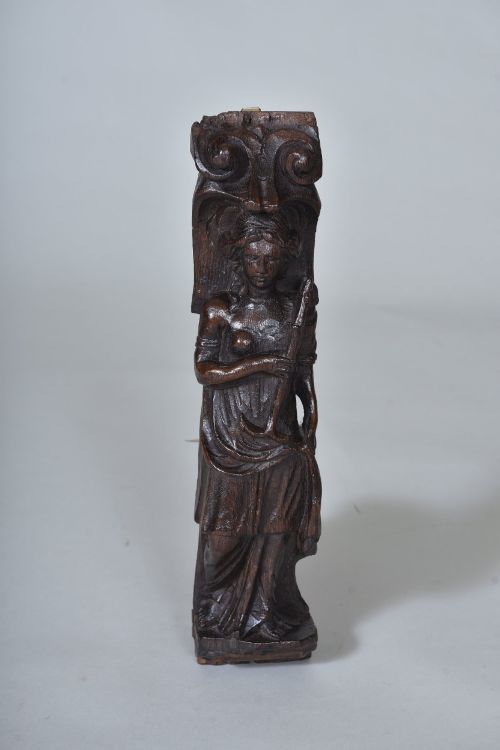
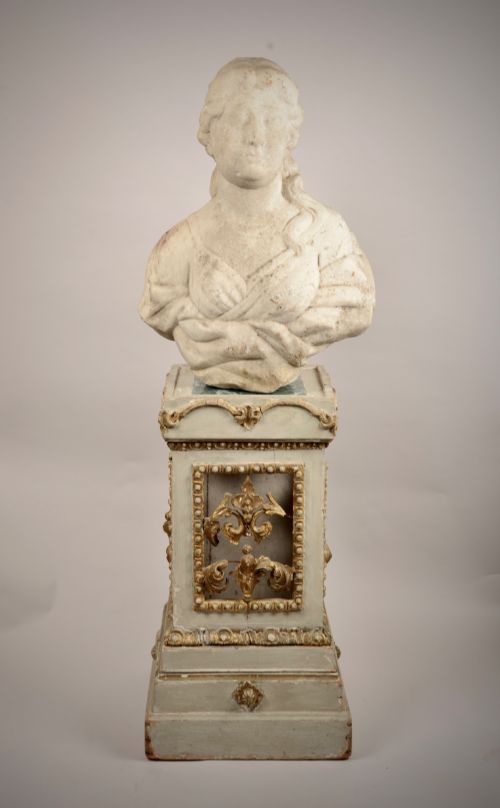
A 17th century carved figure comprises religious icons, saints, angels, and architectural caryatids shaped during the Baroque and Jacobean periods. These works emerge largely from European workshops, spanning English, Flemish, Spanish, and German origins.
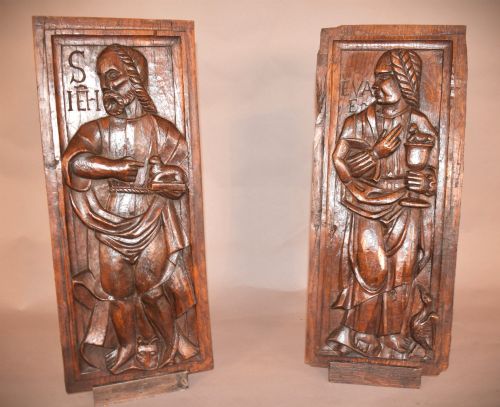
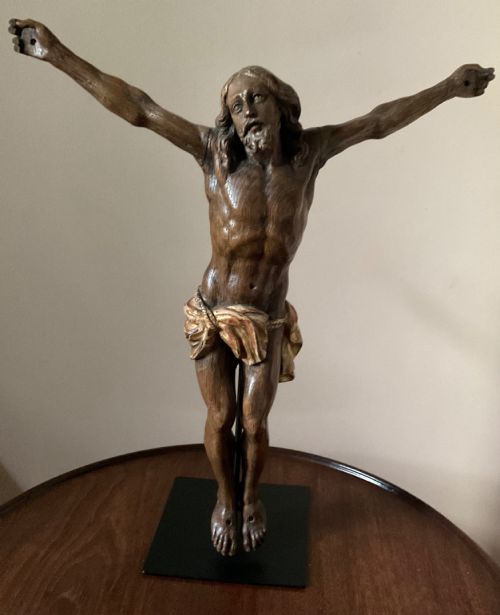
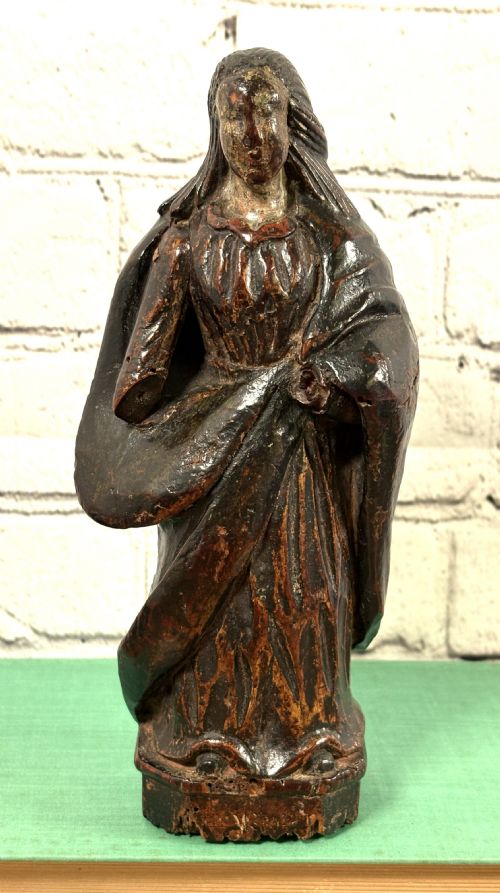
The most common examples on this page are carved from oak or walnut, often depicting religious subjects like Corpus Christi figures, Madonna figures, and various saints. Architectural fragments and panels also appear frequently alongside free-standing sculptures.
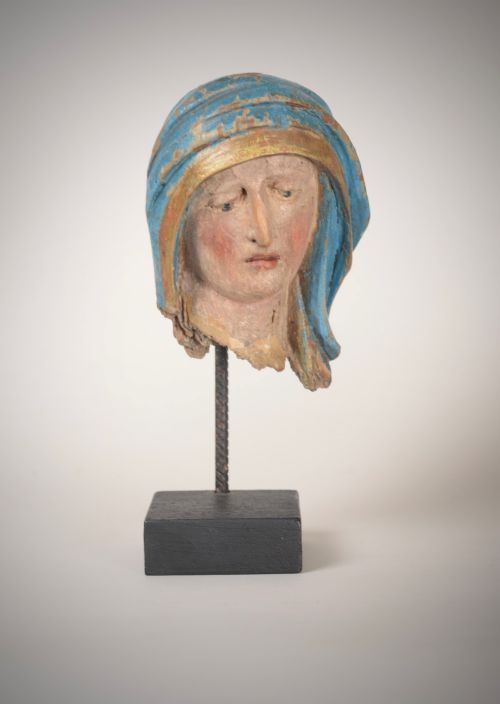
Pieces range from sober English oak carvings to elaborate continental limewood figures retaining remnants of original polychrome paint and gold leaf. Buyers encounter both devotional church remnants and secular architectural supports like term figures.
What Varies in Quality
Quality rests in the anatomical proportion and the confidence of the carving tool, distinguishing master workshops from provincial production. The preservation of original surface treatments, including gesso and polychrome pigment, elevates certain examples above stripped timber.
Expression and emotional resonance separate ordinary architectural salvage from high artistic sculpture, particularly in facial carving and the fall of garments. The depth of relief and the complexity of the wood figure dictate the piece's sculptural success.
Saint Barbara carries her tower and Saint Anthony holds the Christ child, proving that seventeenth-century saints had very distinctive luggage.
The 17th Century Carved Figure Glossary
- Polychrome
- Painted in several colours. This surface treatment is frequently found on continental religious sculptures.
- Caryatid
- A carved human figure acting as a structural pillar. These architectural supports often frame panels or mantelpieces.
- Corbel
- A projection from a wall supporting a weight. These wooden elements frequently feature carved heads or figures.
- Gesso
- A plaster mixture used as a base for painting. It prepares wood surfaces for gilding and polychrome decoration.
- Corpus Christi
- An image of Christ on the cross. These wooden carvings range from small devotional fragments to substantial church figures.
17th Century Carved Figure: Frequently Asked Questions
Where did these figures originate?
Most pieces derive from European workshops spanning England, Flanders, Spain, and Germany. They often originated in churches, domestic chapels, or grand architectural settings.
Religious devotion and architectural ornamentation drove the creation of these sculptures during the seventeenth century.
How do I care for antique wood?
Keep wooden sculptures away from direct heat sources and sudden humidity fluctuations to prevent splitting. Dust gently with a dry, soft cloth without applying modern chemical polishes.
Maintaining stable environmental conditions preserves both the timber substrate and any surviving polychrome paint.
What is polychrome?
Polychrome refers to the application of multiple colours of paint to the surface of a carved figure. Painters used these pigments to render flesh tones, hair, and garments with realism.
Surviving traces of original paint provide vital evidence of how these devotional works originally appeared in their religious settings.
Are these pieces architectural fragments?
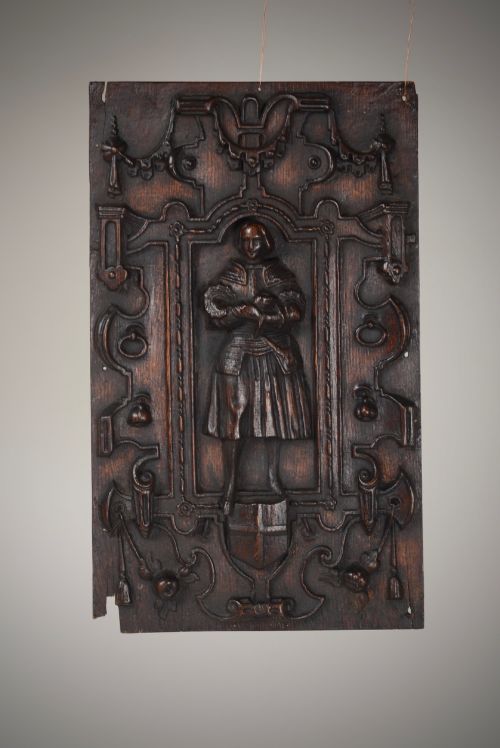
Several items originate as architectural salvage, including caryatids, corbels, and panels once integrated into larger wooden overmantles or church furnishings. Other examples were created as free-standing devotional sculptures.
Both categories reflect the prevalent Baroque and Jacobean carving styles of the seventeenth century.