









Antique Japanese Pottery Plates
These antique japanese pottery plates bring centuries of kilncraft and hand-painted artistry directly to your table, offering a tangible piece of history.
Antique Japanese Pottery Plates
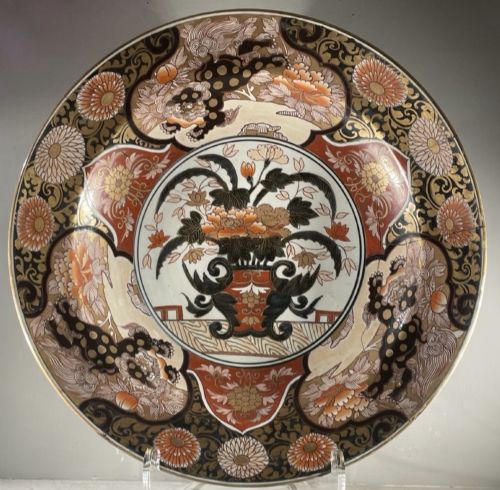
When you search for antique japanese pottery plates, you encounter a range of forms spanning decorative plates, cabinet pieces, and large chargers. The majority of these examples stem from the Meiji period and the broader nineteenth century, reflecting robust trade and distinct aesthetic shifts.
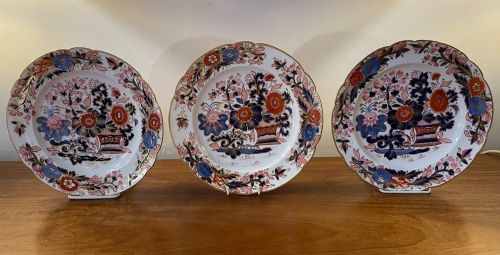
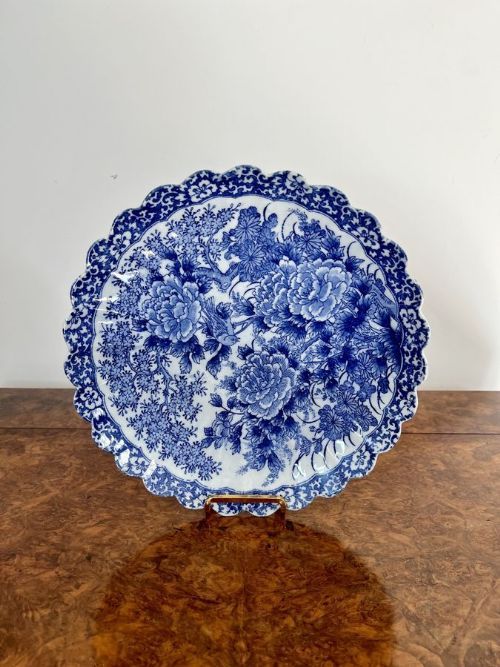
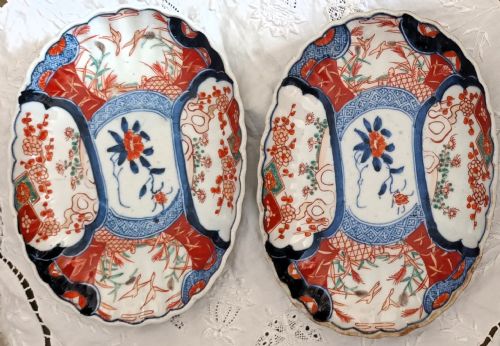
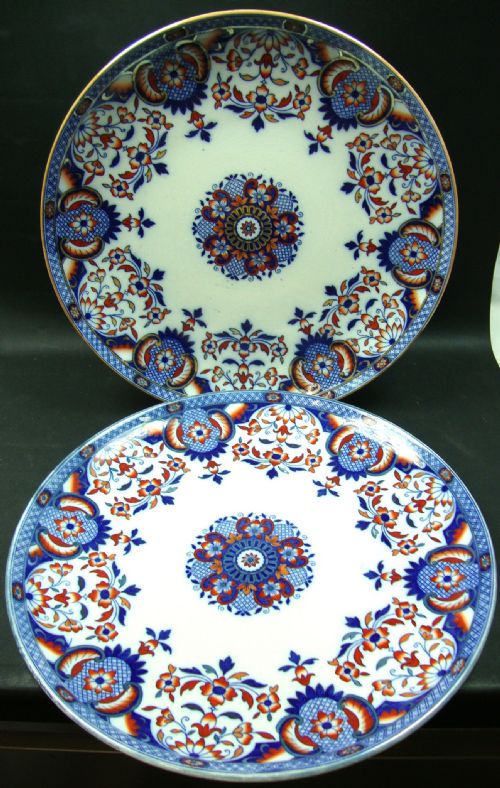
You are most likely to meet Imari wares finished in characteristic blue and white or rich polychrome palettes, alongside finely decorated Satsuma dishes and robust Arita porcelain chargers. These objects served primarily for display or formal presentation rather than everyday dining.
The assortment includes individual items, pairs, and matched sets complete with storage boxes, indicating how carefully these ceramics were preserved across generations.
Materials and construction
Potters relied on fine porcelain and earthenware bodies, shaping them into round plates, scalloped dishes, and broad chargers. Cobalt pigment provided the deep underglaze blues foundational to traditional Imari decoration.
Makers applied enamel paints and gold leaf over the glaze to build intricate motifs featuring exotic birds, suns, and botanical elements. Gilding and meticulous brushwork completed the surface before final firing.
Antique Japanese Pottery Plates Retail Price Guide 2026
Typical asking prices for japanese pottery plates among the pieces listed under this phrase on Sellingantiques today, from the lower quarter to the upper quarter. They describe what is for sale here now, not the wider market.
One collection even arrives complete with its own dedicated storage box, proving that proper housekeeping was taken very seriously indeed.
Judging quality and execution
Quality rests heavily on the crispness of the hand-painted brushwork and the precision of the cobalt pigment against the porcelain ground. Finer pieces demonstrate superior control in enamel application and the sparing, effective use of gold leaf.
The depth of the potting, the regularity of scalloped edges, and the preservation of delicate surface decoration distinguish standard production items from exceptional workshop output.
Koshida
The Antique Japanese Pottery Plates Glossary
- Imari
- A traditional Japanese style of porcelain featuring a distinctive palette of underglaze blue, iron red, and gilt highlights. These wares were heavily exported to Europe.
- Satsuma
- A type of Japanese earthenware characterised by a pale, ivory-coloured cracked glaze and intricate overglaze enamels. It often incorporates raised gilding.
- Charger
- A large decorative plate intended for display on a sideboard or wall rather than for serving food at the table.
- Arita
- The Japanese town and surrounding region famed as the birth birthplace of Japanese porcelain production. Kilns here produced vast quantities of export ware.
- Cobalt pigment
- A mineral-derived blue colouring agent used beneath the glaze to create permanent, deep blue designs on ceramic bodies.
Antique Japanese Pottery Plates: Frequently Asked Questions
How do I display heavy chargers?
Large chargers require robust wall hangers designed specifically for heavy ceramics or secure plate stands with a wide base. Ensure the weight is evenly distributed across the rim.
Avoid hanging pieces in direct sunlight or areas subject to vibration to protect the glaze and body over time.
Can I use these plates for food?
Most antique plates feature delicate overglaze enamels and gold leaf that can wear away with frequent washing and acidic foods. They are best reserved for display.
Using them for dining also risks scratching the historic glaze surface built by nineteenth-century potters.
How do I clean antique porcelain?
Dust surfaces gently with a soft, dry brush or a lint-free cloth to remove everyday particles. Avoid harsh chemical cleaners and abrasive scrubbing.
If washing is necessary, use tepid water and mild soap, then dry immediately with a soft towel.
What defines Meiji period ceramics?
The Meiji period saw an explosion of artistic production aimed at international export markets, combining traditional techniques with fresh decorative motifs. Master workshops produced highly detailed Satsuma and Imari wares.
Pieces from this era often display exceptional technical precision in enamel layering and gilding.