


Antique Japanese Enamelling
Antique japanese enamelling brings together intricate cloisonné and champlevé vessels, chargers, and trays from the Meiji period.
Antique Japanese Enamelling
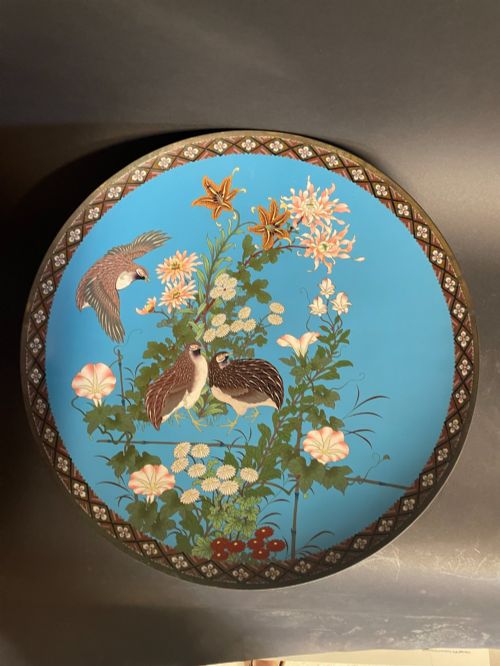
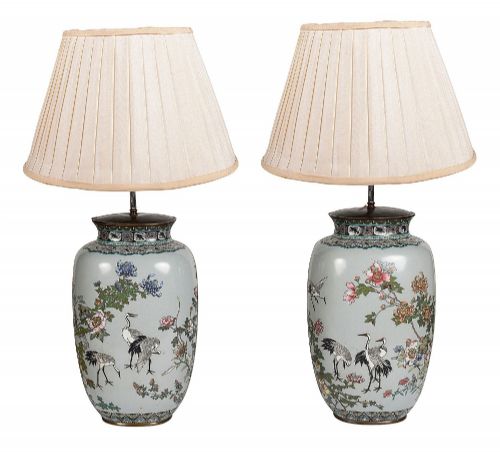
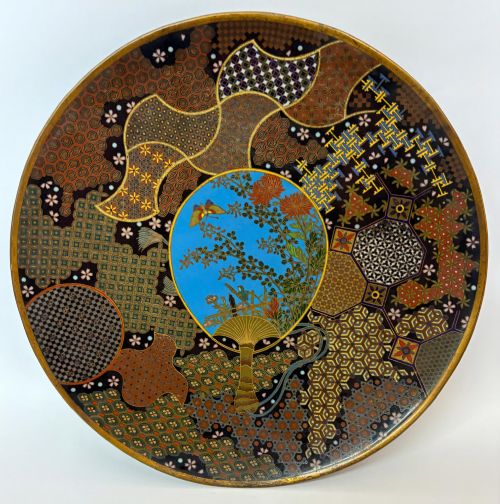
When you search for antique japanese enamelling, you encounter decorative chargers, trays, plates, and vases created during the nineteenth and early twentieth centuries. These objects display detailed depictions of birds, flowers, landscapes, and dragons across copper, brass, and bronze foundations.
The most common examples on this page date from the Meiji period, particularly the closing decades of the nineteenth century. Artisans produced both utilitarian vessels and elaborate decorative items designed to showcase technical mastery in metalwork and vitreous paste.
How they were made
Makers formed vessels using copper, brass, or bronze bases, applying thin metal wires to map out intricate pictorial designs. They filled the resulting cells with coloured enamel pastes before firing and polishing the surface to a smooth finish.
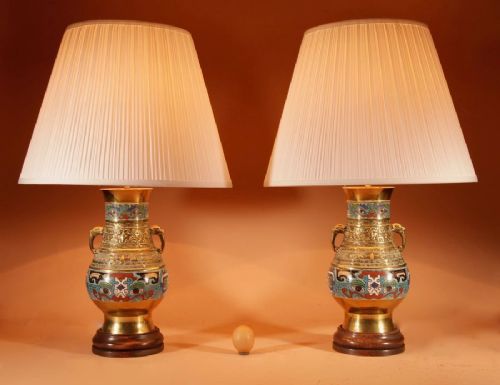
Champlevé techniques involved carving or casting the metal base directly to create recessed troughs for the enamel. Artisans also integrated porcelain, earthenware, wood, and gold leaf into select decorative objects.
Listings span the Meiji, Edo, Taisho, and Showa periods, featuring materials such as enamel, copper, brass, porcelain, and bronze.
What varies in quality
Quality rests upon the precision of the wirework and the complexity of the pictorial composition. Pieces featuring detailed fauna, flora, or narrative scenes demonstrate higher technical skill than simpler geometric designs.
The smoothness of the polished surface, the clarity of the enamel colours, and the weight of the underlying bronze or copper determine the overall standard of the vessel.
Maruni Kobe·Manpei·Kozan·Kinkōzan Workshop·Kinzan
The Antique Japanese Enamelling Glossary
- Cloisonné
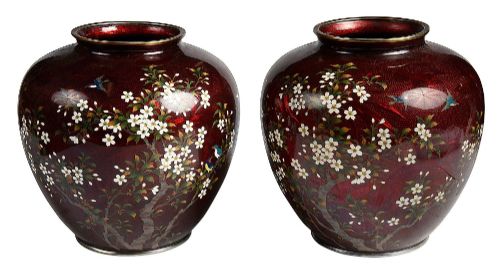
- A metalwork technique where thin wires are soldered to a base to create compartments filled with enamel paste. This method defines many Meiji period chargers and vases.
- Champlevé
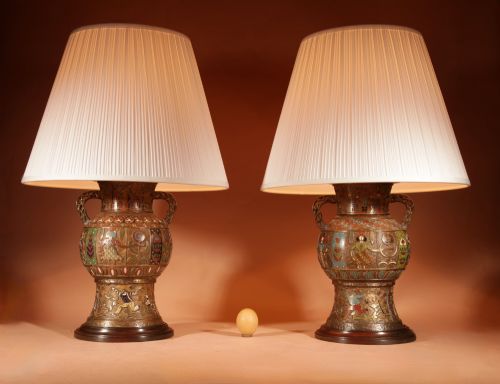
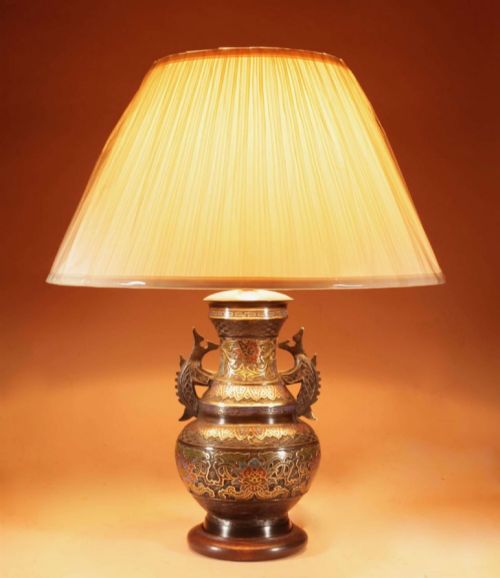
- A technique where troughs or cells are carved directly into a metal base to hold enamel before firing. It frequently appears on bronze lamps and vases.
- Satsuma
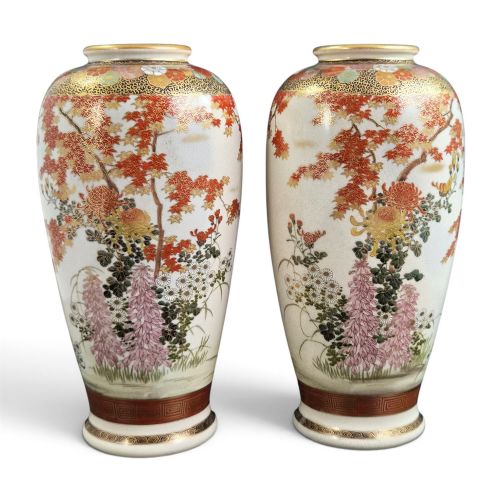
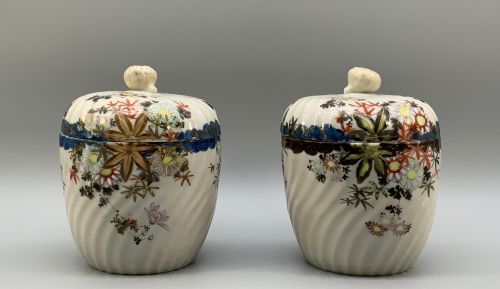
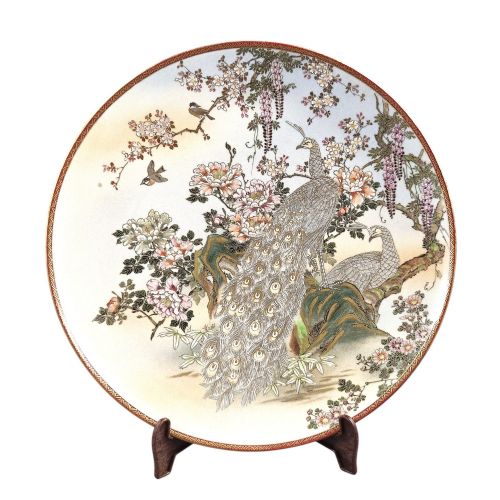
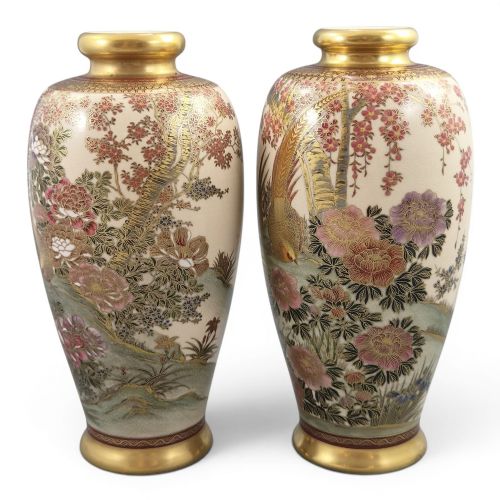
- Earthenware pottery originating from Satsuma province featuring a crackled ivory glaze and detailed enamel painting. These pieces often depict figures, flowers, and thousand butterfly motifs.
- Kutani
- Japanese porcelain known for bold overglaze enamels, typically incorporating reds, greens, and golds. Figures of deities and large chargers represent this tradition.
- Charger
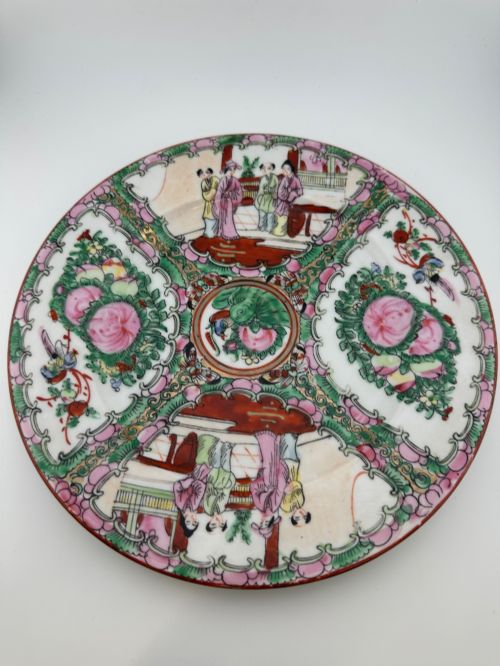
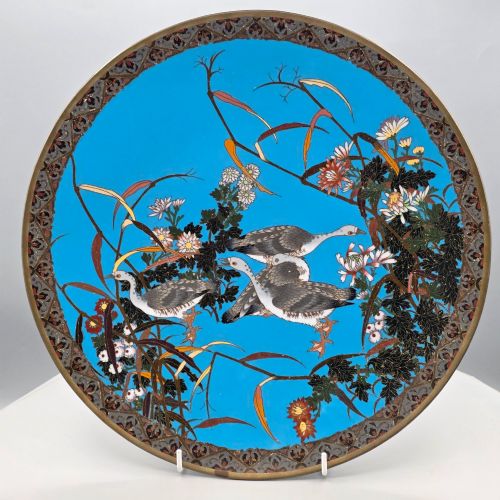
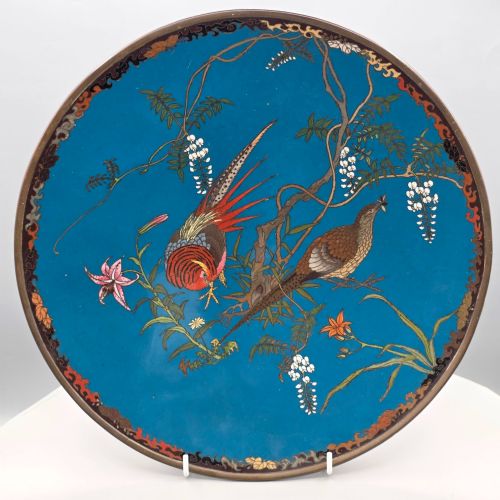
- A large decorative plate intended for display rather than dining. These items often showcase elaborate pictorial enamel scenes of birds, dragons, and landscapes.
Antique Japanese Enamelling: Frequently Asked Questions
What is antique japanese enamelling?
Antique japanese enamelling refers to decorative metalwork and ceramic pieces produced primarily during the Meiji period and early twentieth century. These objects utilise techniques like cloisonné and champlevé to create colourful pictorial designs.
Items range from large wall chargers and trays to vases and table lamps. They display subjects such as birds, flowers, dragons, and landscapes executed with high technical precision.
How do I date antique japanese enamel pieces?
Dating relies on stylistic shifts, materials, and signatures found on the objects. Pieces from the mid to late nineteenth century often reflect the detailed naturalism of the Meiji period.
Later examples extend into the Taisho and Showa periods, shifting slightly in colour palettes and mounting styles. Examining the metal base and wire thickness also helps determine the production era.
How were cloisonne chargers used?
Large cloisonné chargers were primarily manufactured for display in domestic interiors rather than for serving food. Their detailed enamel surfaces made them central decorative statements on walls or sideboards.
Many of these chargers were exported to Western markets during the late nineteenth century as interest in Japanese craftsmanship grew. Today, they function as focal points in period and eclectic collections.
What is the difference between cloisonne and champleve?
Cloisonné involves applying fine metal wires to a base to form raised cells that are subsequently filled with enamel paste. This creates a detailed grid supporting the coloured vitreous design.
Champlevé relies on carving or casting troughs directly into the thick bronze or brass body to hold the enamel. Champlevé pieces often display heavier metal surfaces alongside the coloured enamel.