



Vintage Japanese Display Plate
These vintage japanese display plate selections offer striking decorative presence, bringing traditional craftsmanship and vibrant ceramic or metalwork forms directly into a room.
Vintage Japanese Display Plate
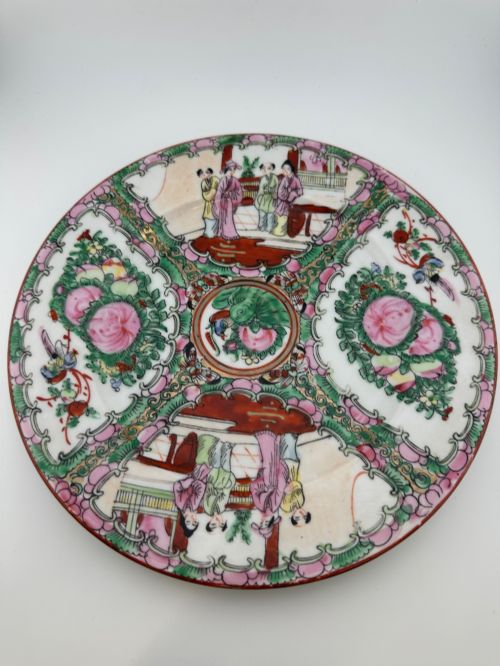
A vintage japanese display plate search typically reveals substantial chargers, wall plates, and decorative dishes originating from the nineteenth and early twentieth centuries. These pieces encompass distinct aesthetics spanning the Edo, Meiji, and Taisho periods, reflecting diverse studio traditions.
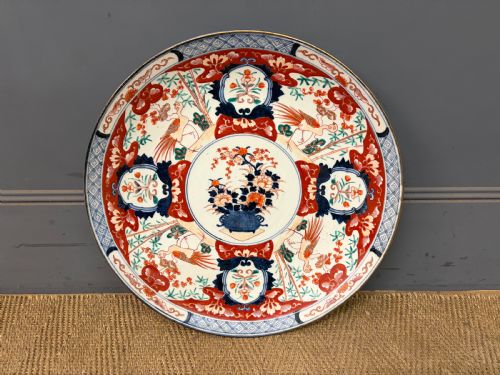
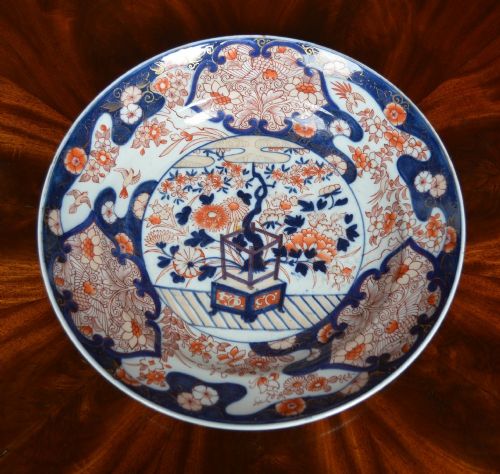
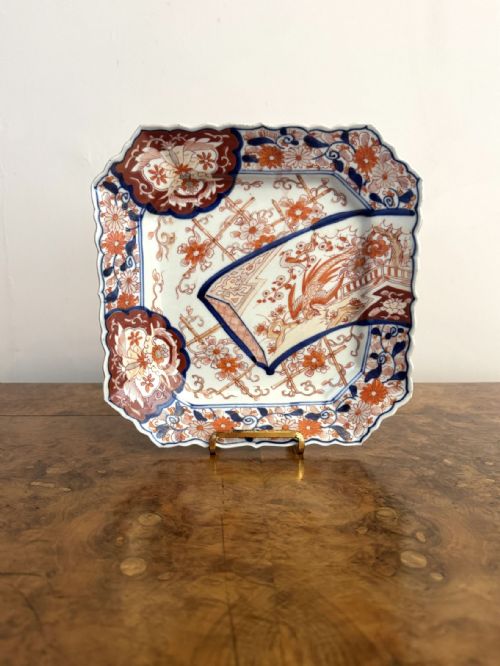
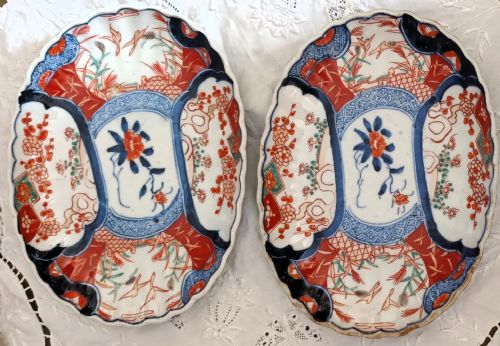
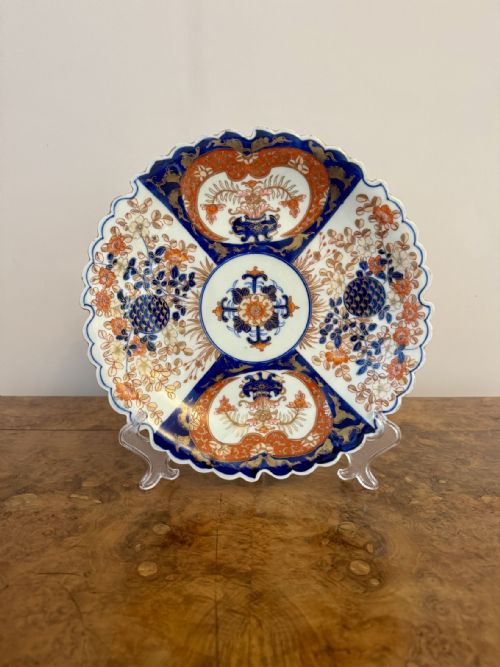
Imari porcelain pieces dominate the selection, often taking circular, square, scalloped, or ribbon shapes adorned with intricate hand-painted patterns. Alongside these ceramics, metalwork chargers utilising cloisonne enamel present alternative surfaces populated by pictorial motifs.
Materials and production methods
Makers utilised porcelain as the primary ceramic body, applying vibrant hand-painted glazes alongside gilt and gold leaf accents to achieve rich surface detail. Kiln-fired colours defined traditional Imari aesthetics through distinct cobalt blue and iron red tones.
Metalwork variants relied upon copper or brass bases combined with cloisonne enamel, where thin wire partitions held coloured vitreous pastes. Skilled artisans fused these materials through successive firings to create durable pictorial trays and chargers.
Available pieces span multiple decades, incorporating traditional Imari porcelain alongside intricate cloisonne enamel works featuring birds, deities, and natural landscapes.
Distinguishing quality across the range
Quality rests upon the precision of the hand-painting and the complexity of the composition, where fluid brushwork and balanced pictorial depth separate standard production from finer work. Enamel clarity and the crispness of cloisonne wirework define the upper tier of metal pieces.
The choice of format also influences character, as unconventional square, scalloped, or ribbon-moulded ceramic shapes demand greater technical skill from the potter than simple circular vessels.
Koshida
The Vintage Japanese Display Plate Glossary
- Imari
- A traditional style of Japanese porcelain featuring a distinct palette of underglaze blue, iron red, and gilt detailing. These wares were heavily produced for export during the Edo and Meiji periods.
- Charger
- A large decorative plate traditionally intended for display on a wall or sideboard rather than for practical dining use. Such pieces often measure significantly wider than standard dinnerware.
- Cloisonne Enamel
- A metalwork technique involving soldered wire partitions that enclose compartments filled with coloured glass paste. The piece undergoes firing and polishing to create a smooth, decorative surface.
- Meiji Period
- An era in Japanese history spanning from 1868 to 1912, characterised by opening trade with the West and a surge in export arts. Many surviving decorative plates date from this prolific manufacturing window.
- Glaze
- A glassy coating fused to ceramic bodies through kiln firing to seal the surface and impart colour or gloss. Variations in glaze application contribute directly to the visual texture of antique plates.
Vintage Japanese Display Plate: Frequently Asked Questions
How were these plates used historically?
These large ceramic and metal vessels served primarily as decorative display items in domestic interiors rather than utilitarian tableware. Owners mounted them on walls or placed them on stands to showcase wealthy household aesthetics.
Export demand in Europe and beyond drove the creation of these vibrant chargers during the nineteenth century. They functioned as focal points in reception rooms, highlighting traditional Japanese motifs.
How do I hang a heavy charger safely?
Hanging a large ceramic or metal plate requires a properly sized spring-tension wall hanger that grips the rim securely without causing surface stress. Wall fixings must anchor directly into solid masonry or studwork.
Avoid wire-based adhesives that attach directly to the unglazed footring, as weight distribution can fail over time. Proper brackets distribute the load evenly across the entire body of the plate.
How do I tell an Edo period piece from a Meiji piece?
Distinguishing periods relies on observing stylistic evolution in the painting, glaze characteristics, and potting techniques. Edo period pieces often display robust forms and deep cobalt tones associated with earlier export traditions.
Meiji era items frequently exhibit denser ornamentation, sharper colour contrasts, and refined detailing due to industrial shifts in production. Examining the unglazed footring also reveals clues regarding clay maturity and kiln practices.
How should I clean vintage porcelain and cloisonne?
Dust these decorative items gently using a soft, dry microfiber cloth to remove surface particles safely. Avoid harsh chemical cleaners, abrasive scouring pads, or prolonged immersion in water.
Metal cloisonne surfaces benefit from minimal moisture, while porcelain handles occasional wiping with a damp cloth if dried immediately. Protecting the piece from direct sunlight preserves the original enamel and gilt pigments.