
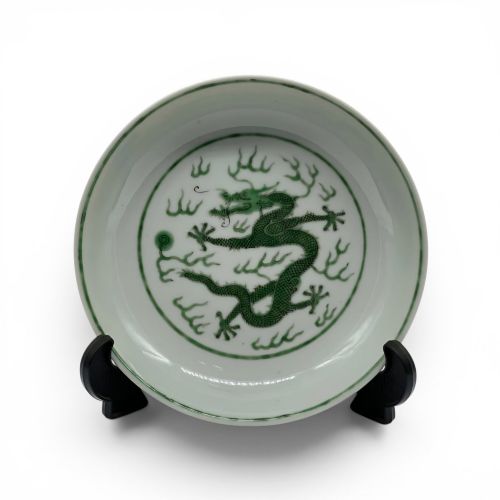


Enamel Dragon Plate
These enamel dragon plate examples span nineteenth-century workshops in China and Japan, bringing spirited mythical motifs and rich metalwork into modern rooms.
Enamel Dragon Plate
When searching for an enamel dragon plate, buyers encounter circular chargers, square trays, and decorative dishes created across the nineteenth century. These forms originate from distinct cultural traditions, including Qing Dynasty style porcelain alongside Japanese Meiji and Edo period metalwork.
The objects on this page most commonly appear as large Japanese cloisonne enamel chargers featuring fierce dragon motifs. Works span decades from eighteen-sixty through nineteen-hundred, offering both imposing decorative plaques and smaller domestic dishes.
How they were made
Many pieces utilise a robust copper, bronze, or brass base shaped into plates and chargers. Artisans then apply intricate patterns using fine silver wire or brass wire to section out the individual design elements.
Vibrant enamel fills the partitioned cells before the surface undergoes firing and polishing. Alternatively, porcelain serves as the primary medium for imperial-style dishes decorated with green dragon motifs.
Materials recorded across the inventory include copper, porcelain, brass wire, silver wire, and bronze.
What varies in quality
The finesse of the wirework and the control of the enamel paste determine the visual strength of each charger. Crisply defined scales and balanced compositions distinguish exceptional pieces from standard production.
Scale also plays a significant role, as massive chargers exceeding thirty centimetres demand exceptional technical mastery from the workshop. The depth of colour and the precision of the firing process further elevate the standing of individual plaques.
The Enamel Dragon Plate Glossary
- Cloisonne Enamel
- A technique where thin metal wires are soldered to a metal base to create compartments filled with coloured paste. This method defines the primary aesthetic of the Japanese metalwork found here.
- Charger
- A large ornamental plate used for display rather than dining. These substantial pieces anchor decorative arrangements on walls or tables.
- Meiji Period
- A Japanese historical era lasting from eighteen-sixty-eight to nineteen-twelve noted for opening trade and advancing decorative arts. Works from this time demonstrate remarkable technical ambition.
- Qing Dynasty
- The last imperial dynasty of China, spanning from sixteen-forty-four to nineteen-shifty-one. Pieces following this style often utilise fine porcelain grounds.
Enamel Dragon Plate: Frequently Asked Questions
How do I display a large charger safely?
Large chargers and plaques require sturdy wall brackets designed for heavy metal or porcelain objects. Alternatively, heavy-duty display stands hold them securely on flat surfaces.
Ensure the weight is evenly distributed to prevent tipping or sliding during daily life.
Can I clean my cloisonne dragon plate with water?
Dusting with a soft, dry cloth is generally sufficient for regular maintenance of enamel surfaces. Avoid harsh chemical cleaners or abrasive pads that might scratch the metal wires.
Keep pieces away from direct, prolonged sunlight to preserve the richness of the enamel colours.
How do I tell Japanese and Chinese pieces apart?
Japanese examples from this selection frequently utilise copper bodies with intricate brass or silver wirework forming cloisonne patterns. Chinese pieces in the evidence lean towards porcelain dishes painted in imperial styles.
Examining the base material and the framing of the dragon motif usually clarifies the origin.