




Antique Japanese Enamel Dish
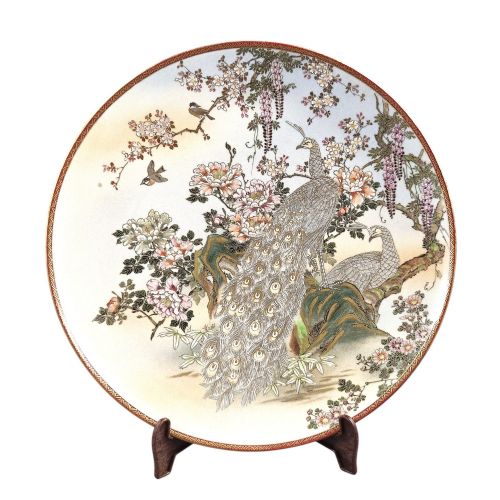
An antique japanese enamel dish brings the immense technical skill of the Meiji period directly to a room through vibrant cloisonne and metalwork.
Antique Japanese Enamel Dish
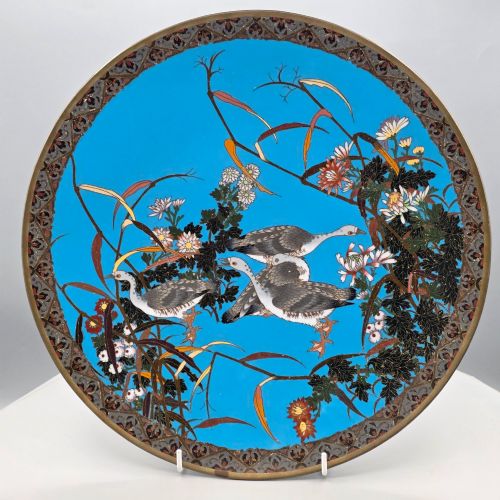
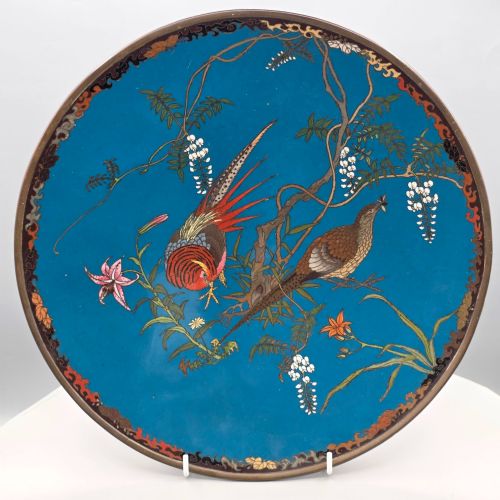
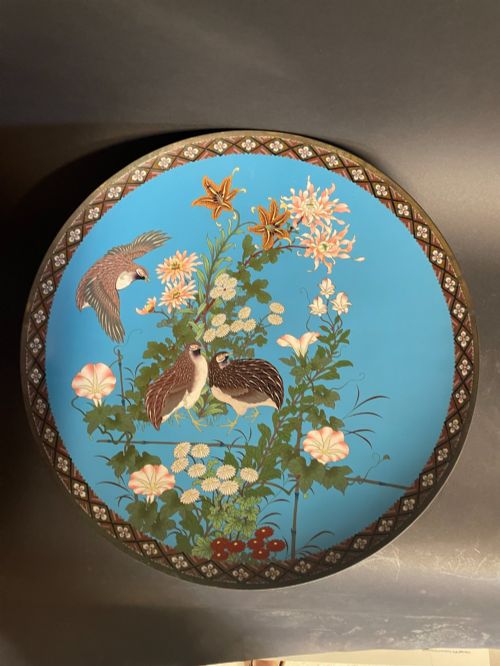
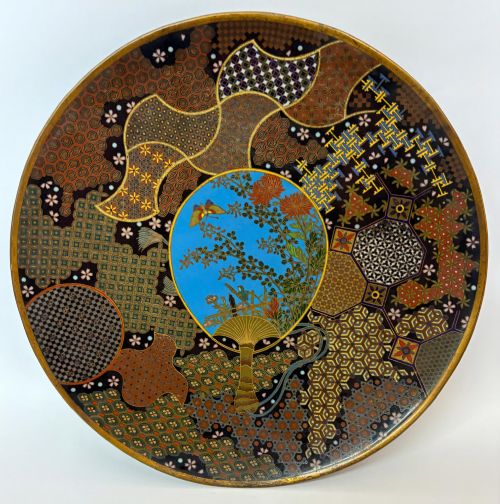
When searching for an antique japanese enamel dish, buyers encounter heavy chargers, decorative plates, and trays originating primarily from the late nineteenth century. These items frequently display detailed motifs of birds, dragons, and landscapes executed with meticulous surface decoration.
The most common form on this page is the large cloisonne charger or plate dating from the Meiji period. Makers utilised copper or brass foundations to build intricate pictorial scenes using coloured enamel pastes partitioned by fine wire.
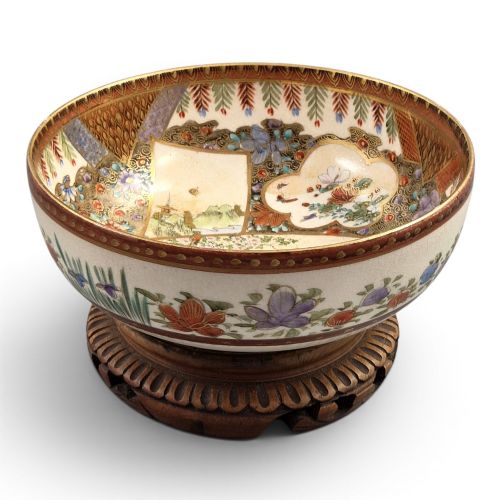
Pieces span from mid-nineteenth century works featuring auspicious symbols to later nineteen-hundreds examples from regional centres like Nagoya. Forms range from shallow dishes to substantial decorative trays and scalloped bowls.
Materials and construction methods
Craftsmen built these vessels on metal bodies of copper or brass, occasionally applying enamel directly onto porcelain surfaces known as totai shippo. Artisans soldered thin metal wires onto the base to outline complex pictorial subjects such as flora, fauna, and figures.
Workers filled the resulting tiny compartments with vitreous enamel pastes before firing the piece in a kiln. Successive layers of firing and polishing achieved a smooth, glossy surface that locked the delicate wirework and coloured glazes into place.
Antique Japanese Enamel Dish Retail Price Guide 2026
Typical asking prices for japanese enamel dish among the pieces listed under this phrase on Sellingantiques today, from the lower quarter to the upper quarter. They describe what is for sale here now, not the wider market.
Listings feature copper and brass foundations alongside porcelain bodies finished with totai shippo tree bark effects.
Assessing quality in historical enamel
The fineness of the wirework defines the upper tier of production, where extremely thin brass or copper ribbons form microscopic details without distortion or bubbling in the enamel. Simpler compositions utilise thicker, less demanding wire patterns across broader colour fields.
Surface finish and the complexity of the subject matter separate standard decorative wares from masterworks. Pieces featuring intricate multi-coloured gradients, realistic depictions of animals, and signed maker marks demonstrate superior workshop standards.
Kozan·Meizan·Shuzan for Yasuda
The Antique Japanese Enamel Dish Glossary
- Cloisonne
- A decorative technique where metal wires are soldered onto a metal base to create compartments filled with enamel paste. This method allows for precise, stained-glass-like pictorial designs.
- Meiji Period
- The historical Japanese era lasting from 1868 to 1912, noted for a massive output of decorative arts for international export. Enamel work reached technical peaks during these decades.
- Totai Shippo
- A specialised technique involving cloisonne enamel applied over a porcelain or earthenware body rather than solid metal. These pieces often feature textured grounds that mimic tree bark.
- Charger
- A large ornamental plate or dish intended for display on a wall or sideboard rather than dining use. These items provide expansive canvases for elaborate pictorial narratives.
- Auspicious Symbols
- Traditional motifs carrying cultural wishes for longevity, good fortune, or prosperity. Collectors frequently identify cranes, dragons, and specific floral groupings among these signs.
Antique Japanese Enamel Dish: Frequently Asked Questions
How do I hang a heavy charger?
Large chargers require robust, coated wire display hangers that distribute the weight evenly around the entire rim without placing stress on the enamel surface.
Ensure the wall fixture anchors securely into masonry or a stud to support the substantial metal and ceramic weight safely.
Were these dishes used for food?
Most surviving examples functioned primarily as decorative items for display within parlours and reception rooms during the late nineteenth century export boom.
The delicate nature of the surface work means they suit visual appreciation rather than daily culinary service.
How do I clean antique enamel?
Dust the surface gently with a soft, dry microfibre cloth to remove everyday particles without disturbing the delicate metal wires or the glass paste.
Avoid abrasive cleaners, chemical polishes, and excess water entirely, as moisture can infiltrate hairline fractures in the glaze or corrode the underlying base metal.
How do I date an enamel dish?
Dating relies heavily on stylistic shifts, historical period markers like the Meiji era, and the complexity of the wirework technique used across the piece.
Earlier nineteenth-century examples often display bolder, simpler motifs, while later decades show extreme technical precision and finer, denser wire cells.