













Antique Japanese Display Dishes
These antique japanese display dishes bring centuries of skilled craftsmanship into the home, offering striking patterns and vibrant colour.
Antique Japanese Display Dishes
Antique japanese display dishes encompass a variety of decorative plates, chargers, and bowls created for visual appreciation rather than daily dining. These pieces arrive from periods spanning the nineteenth century into the early twentieth century, capturing distinct cultural shifts in craftsmanship.
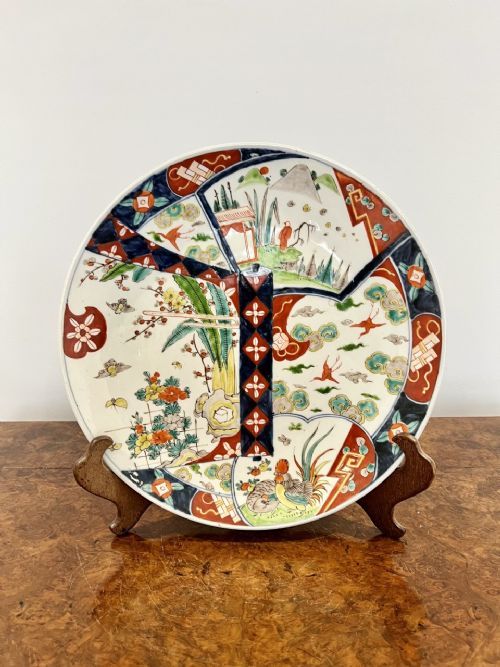
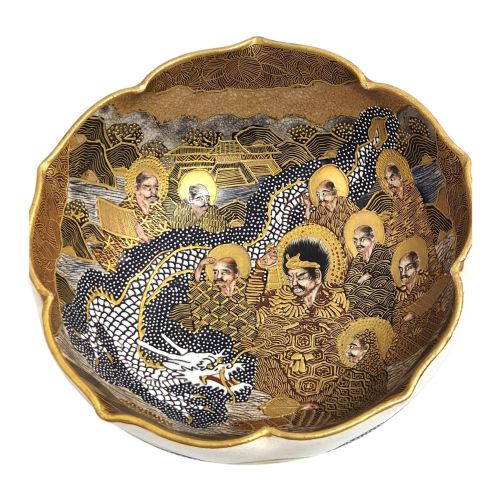
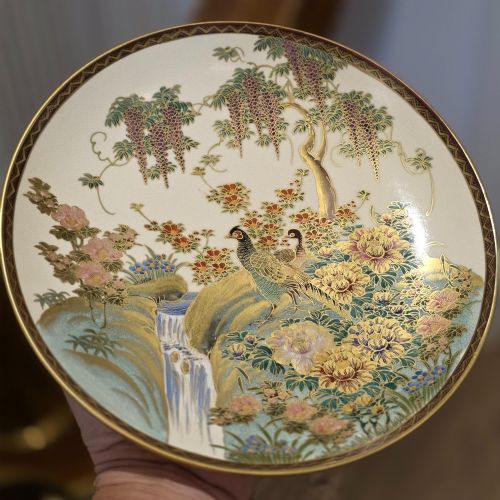
The version most commonly encountered on this page is the Japanese Imari plate or charger, often featuring intricate blue and iron-red patterns. Alongside these, buyers find Satsuma earthenware bowls and cloisonne enamel trays originating from the Meiji period.
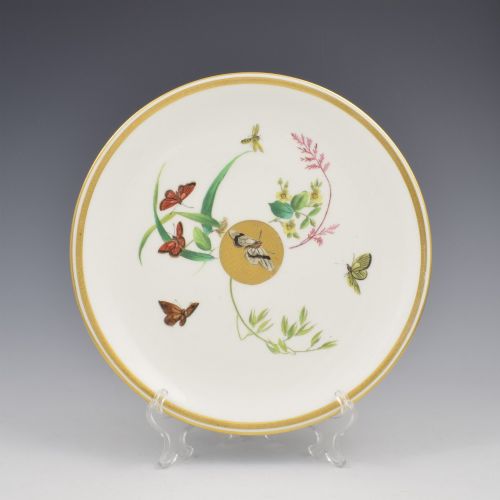
Forms range from standard round chargers and cabinet plates to scalloped edges, hexagonal shapes, and leaf-moulded designs. European interpretations influenced by Japanese aesthetics also appear, demonstrating the global reach of these decorative styles.
How they were made
Porcelain and earthenware form the core bodies of these decorative objects, shaped carefully by hand or wheel before firing. Artisans applied detailed hand-painted designs using underglaze cobalt blue, rich enamel colours, and delicate gold leaf highlights.
Cloisonne pieces rely on thin copper or brass wires soldered to metal bases to create cells that hold coloured enamel pastes. Subsequent firings and polishings produce smooth, gleaming surfaces filled with floral, animal, or geometric motifs.
Antique Japanese Display Dishes Retail Price Guide 2026
Typical asking prices for japanese display dishes among the pieces listed under this phrase on Sellingantiques today, from the lower quarter to the upper quarter. They describe what is for sale here now, not the wider market.
Listings feature traditional materials including porcelain, earthenware, enamel, gold leaf, copper, and brass across various decorative forms.
What varies in quality
The precision and detail of the hand-painted decoration separate simpler wares from superior examples. Masterpieces display exact brushwork, harmonious palettes, and complex imagery involving multiple subjects such as birds, flowers, and figures.
Signatures by recognised makers or workshops indicate higher atelier standards, while structural complexity in moulded forms like scalloped edges or leaf shapes adds further distinction to individual pieces.
Hododa·Taizan·Koshida·Gyokkō·Kozan
The Antique Japanese Display Dishes Glossary
- Imari
- A style of Japanese porcelain decorated in underglaze blue, iron red, and gold. This palette became immensely popular across Europe during the export periods.
- Satsuma
- A type of Japanese earthenware featuring a pale, crackled ivory glaze and elaborate polychrome enamel decorations. Much of this ware was produced for international export during the Meiji period.
- Cloisonne
- A metalwork technique where enamel is applied to compartments created by soldered wires. Craftsmen build up layers of coloured glass paste to form detailed pictorial designs.
- Charger
- A large decorative plate intended for display on a sideboard or wall rather than for serving food. These substantial vessels often showcase the most ambitious artistry of a workshop.
- Meiji Period
- The era in Japanese history spanning from 1868 to 1912, characterised by opening trade with the West and prolific production of export art.
Antique Japanese Display Dishes: Frequently Asked Questions
How were antique Japanese display dishes used?
These pieces served primarily as decorative objects for display in homes, rather than functional tableware for meals. Wealthy households placed large chargers on stands or mounted them on walls to showcase their intricate designs.
European collectors often housed smaller plates and bowls in cabinets specifically built to display fine ceramics. Their vibrant patterns added distinct visual interest to nineteenth-century drawing rooms.
How do I care for antique enamel and porcelain?
Clean these delicate items gently with a dry or slightly damp soft cloth, avoiding abrasive materials or harsh chemical cleaners. Keep them away from direct sunlight to preserve the richness of the painted enamels and gold leaf.
Display them securely on stable plate stands or within enclosed cabinets to prevent accidental knocks. Metal components such as cloisonne trays benefit from occasional dusting with a very soft brush.
How do I distinguish Imari from Satsuma ware?
Imari pieces consist of hard porcelain decorated with a characteristic palette of cobalt blue, iron red, and gold. They typically feature smooth, glazed bases and crisp geometric or floral borders.
Satsuma pieces are constructed from earthenware with a distinctive creamy, crackled glaze beneath fine enamel painting. They often display a matte or satin finish compared to the vitreous shine of porcelain.
What defines the Meiji period style?
The Meiji period marks an era of intense artistic output aimed at international markets, blending traditional motifs with technical mastery. Designs frequently incorporate natural elements such as chrysanthemums, butterflies, and birds rendered with high realism.
Craftsmen during this time pushed the limits of porcelain painting, metalwork, and enamel to create highly detailed compositions that appealed to European collectors.