
Antique Japanese Cabinet
These antique japanese cabinet pieces bring craftsmanship and history to any room, offering versatile storage and display.

What an antique japanese cabinet is
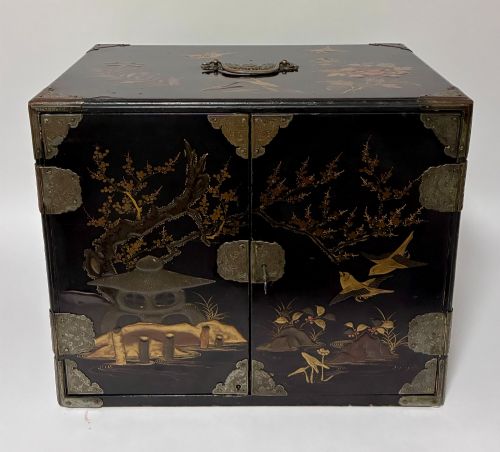
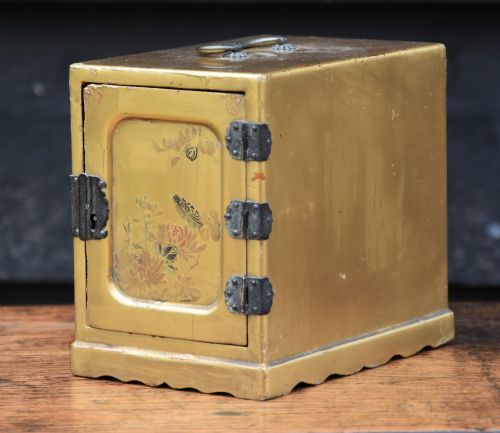
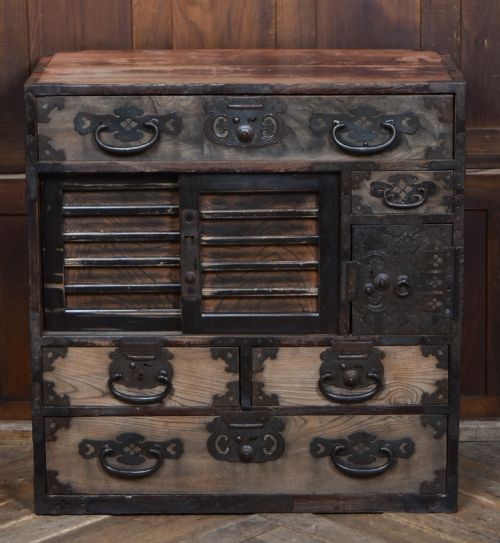
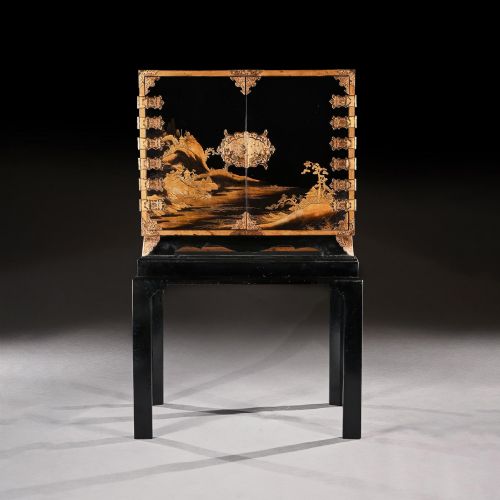
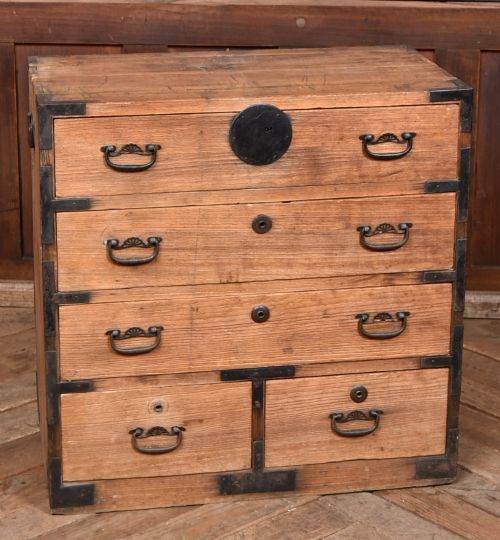
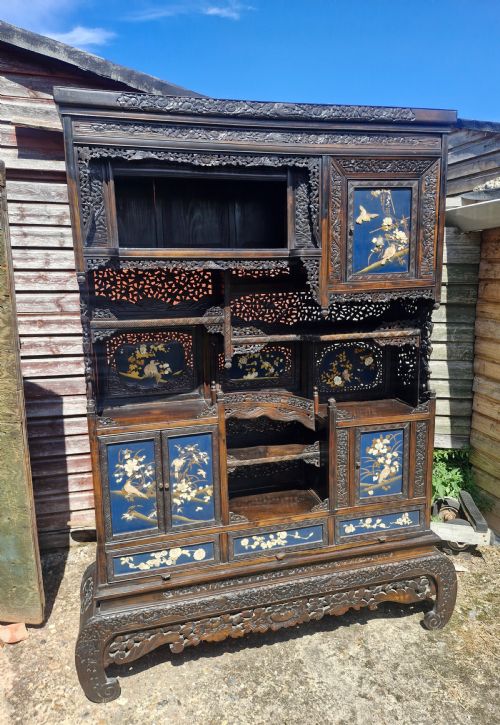
An antique japanese cabinet encompasses various forms of storage furniture, including tansu chests, shodana display cabinets, and table-top jewellery chests. These pieces originate primarily from the 19th century, with many examples dating from the Meiji period.
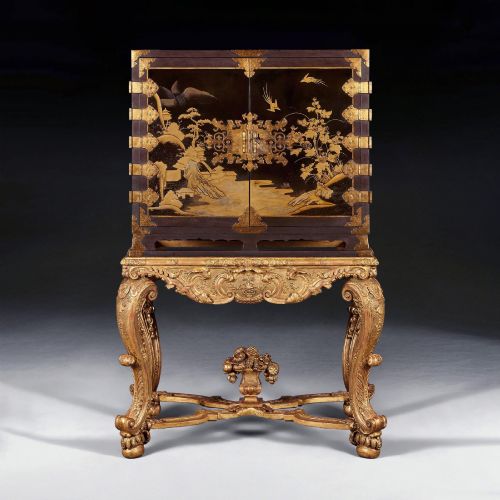
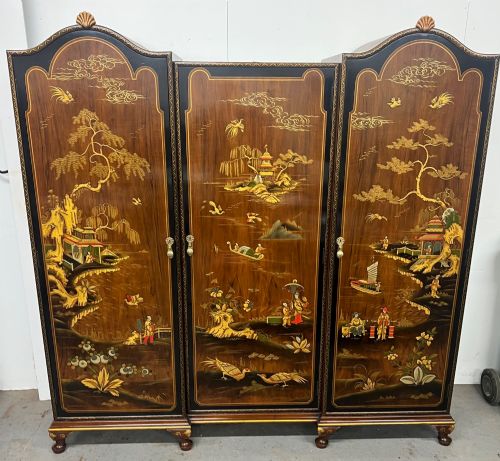
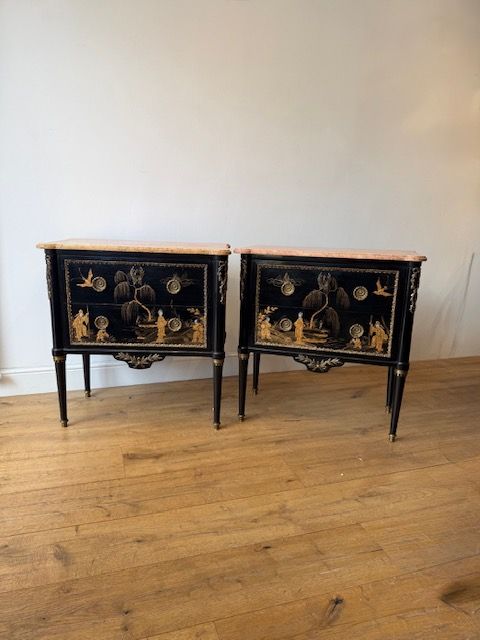
Buyers frequently encounter tansu chests made of cedar and wood, alongside intricate lacquer cabinets featuring gold leaf and delicate panel decoration. The selection ranges from robust utilitarian storage chests to highly decorative display cabinets on stands.
Materials and construction methods
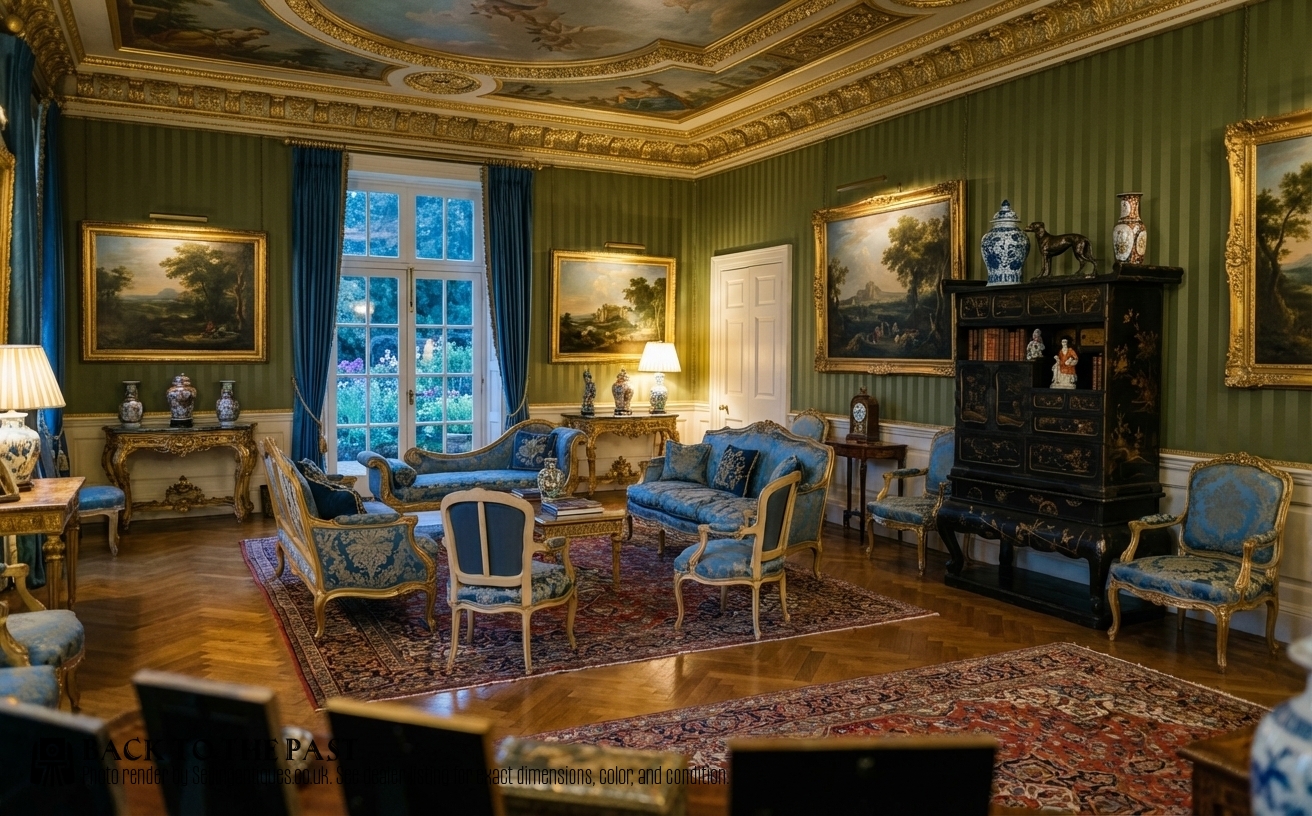
Cabinet makers utilised local woods such as cedar, chestnut, elm, and hardwood, often combining them with forged iron mounts, brass fixtures, and cane work. Surfaces received specialised finishes including red urushi lacquer, black lacquer, and gold leaf applications.
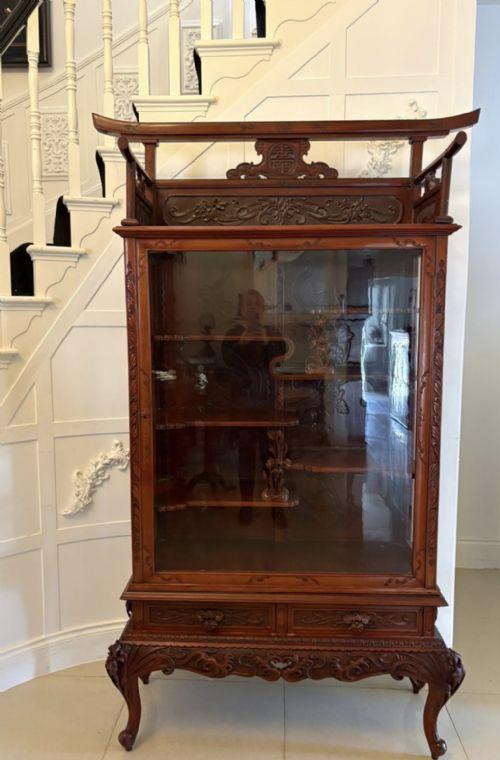
Structural elements rely on traditional joinery techniques, paired with decorative carving, floral inlays, and lacquered panels. Iron hardware serves a dual purpose, reinforcing corners and drawers while providing striking visual contrast against the timber and lacquer.
Retail Price Guide 2026
Typical UK retail prices for japanese cabinet, calculated from the Sellingantiques database of over a million retail prices indexed since 2003. This retail price guide relies exclusively on Sellingantiques data; no external sources or auction records are used, so the figures do not describe the wider market.
Some miniature table cabinets pack more secret drawers than a Victorian writing desk.
Understanding quality differences
Quality variation stems from the depth of detail in the lacquer work, the intricacy of floral carvings, and the complexity of inlaid panels. Superior examples exhibit refined surface finishes and well-preserved gold leaf that display exceptional hand skill.
The choice of materials and the preservation of original forged iron or brass mounts also influence distinction. Pieces with elaborate internal configurations, such as multiple small drawers and compartments, demonstrate a higher tier of workmanship.
The Antique Japanese Cabinet Glossary
- Tansu
- Traditional Japanese mobile storage chests, typically constructed from wood with prominent iron hardware.
- Shodana
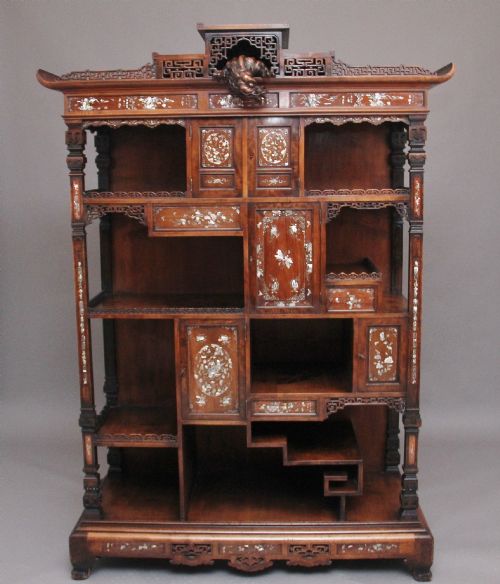
- A decorative Japanese display cabinet featuring asymmetrical shelving, sliding doors, and lacquered panels.
- Urushi Lacquer
- A natural resin finish applied in multiple layers to wood, creating a durable and lustrous surface.
- Meiji Period
- The era of Japanese history spanning from 1868 to 1912, noted for intricate decorative arts exported globally.
- Cabinet on Stand
- A cabinet designed to sit upon a separate supporting frame or stand, elevating the main storage section.
Frequently Asked Questions
What is a tansu chest?
A tansu chest is a traditional form of Japanese mobile storage furniture built from woods like cedar and chestnut. These pieces feature robust construction and often include forged iron mounts for durability and transport.
They served various domestic functions, from storing clothing to holding valuables, and remain popular for their functional storage capabilities today.
How do I care for lacquer cabinets?
Lacquer surfaces require gentle maintenance away from direct sunlight and extreme temperature fluctuations. Dusting with a soft, dry cloth preserves the finish without damaging the delicate layers.
Avoid using chemical polishes or water, as these can harm historic urushi and red lacquer finishes over time.
What is a shodana cabinet?
A shodana is a style of Japanese display cabinet characterised by asymmetrical shelving, sliding doors, and decorative panels. These cabinets were designed to display small artistic objects.
They frequently showcase intricate floral carvings, lacquer work, and inlaid details typical of the Meiji period.
How can I date an antique cabinet?
Dating relies on stylistic markers, construction materials, and historical periods such as the Meiji era or the 19th century. Examining the types of wood, lacquer, and metal mounts provides reliable clues to the age of the piece.
Comparative analysis with documented examples helps establish the likely decade of manufacture.