



Cedar Storage Chest
These cedar storage chests are practical domestic containers built from robust timber, offering durable storage for blankets, clothing, and valuables.

Cedar Storage Chest
A cedar storage chest serves as a traditional vessel for household textiles and personal belongings, valued for its aromatic wood and sturdy construction. These practical boxes range from simple vernacular trunks to more elaborate drawer-fitted forms designed for daily utility.
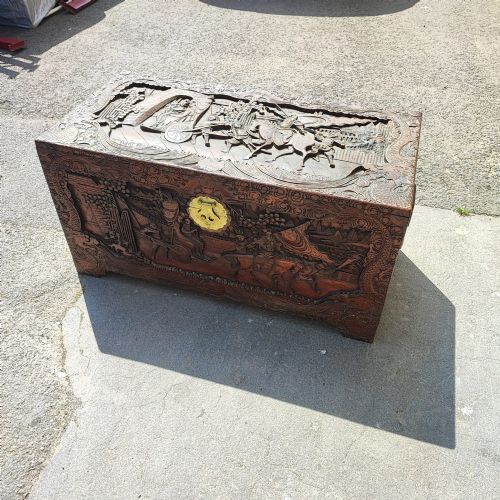
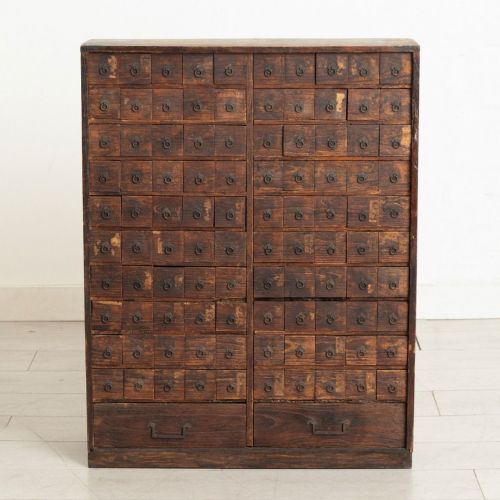
The selections available here span from seventeenth-century Italian coffers to twentieth-century blanket chests and Japanese tansu cabinets. British buyers frequently encounter nineteenth-century pieces alongside traditional Asian camphor and cedar trunks.
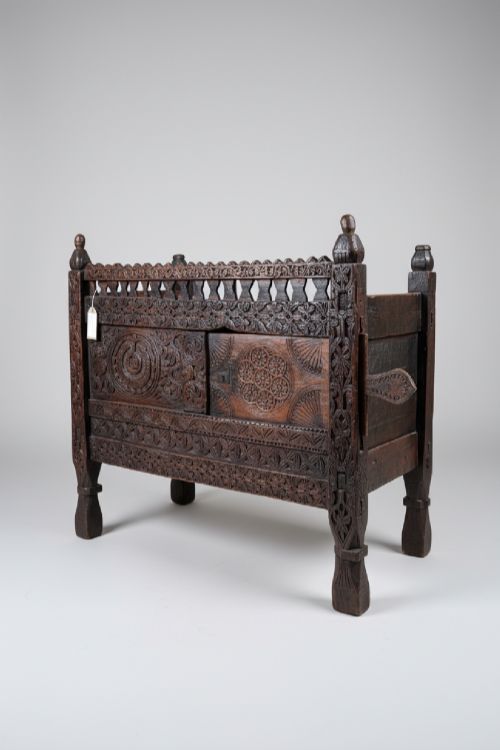
Different cultural traditions shape these forms, encompassing Swat Valley dowry chests, Art Deco blanket chests, and Georgian drawer chests. Each piece reflects the specific joinery and functional needs of its period and region of origin.
How they were made
Construction relies heavily on solid timber, with cedar wood and camphor wood providing natural durability and distinctive scent. Artisans utilised traditional joinery methods to assemble heavy planks into rigid, dust-resistant carcases.
Metal hardware such as brass bindings, iron mounts, and forged iron handles reinforced the corners and added security to travel and domestic trunks. These structural fittings were hand-wrought or cast, securing the joints against heavy usage.
Cedar Storage Chest Retail Price Guide 2026
Typical asking prices for cedar storage chest among the pieces listed under this phrase on Sellingantiques today, from the lower quarter to the upper quarter. They describe what is for sale here now, not the wider market.
Alfred Dunhill once turned his hand to keeping your cigars perfectly humidified inside a heavy wooden box.
What varies in quality
The integrity of the timber and the precision of the joinery determine the overall standard of a box or chest. Pieces constructed from solid cedar or camphor with tightly fitted panels demonstrate superior craftsmanship compared to simpler vernacular items.
Original hardware, including period brass hinges, locks, and forged iron handles, significantly elevates a piece. Retaining these original fittings preserves the historical authenticity and aesthetic balance of the trunk.
The Cedar Storage Chest Glossary
- Coffer
- A heavy wooden box with a lid, traditionally used for storing valuables or dry goods. These secure chests often feature reinforced iron or brass banding.
- Tansu
- A traditional Japanese mobile storage cabinet or chest, typically constructed from cedar or other native woods. These modular units feature internal drawers and sliding doors.
- Humidor
- A specialised wooden box designed to maintain a constant humidity level for storing cigars. Fine examples utilise aromatic woods like cedar to preserve tobacco quality.
- Dowry chest
- A traditional container commissioned for a bride to hold household linen and personal possessions before marriage. These decorative trunks often display regional folk art carvings.
Cedar Storage Chest: Frequently Asked Questions
What is a cedar storage chest used for?
These boxes serve primarily to store blankets, garments, and household textiles safely. The natural aromatic oils in the wood help protect stored fabrics from moths and dampness.
Historically, they also functioned as travel trunks, dowry containers, and secure repositories for family valuables.
How do I clean a vintage cedar chest?
Dust the exterior gently with a dry, soft cloth to remove surface particles. Avoid modern chemical polishes that can damage historic wax or varnish finishes.
If the interior aroma has faded, lightly sand the bare wood grain with fine sandpaper to release fresh natural oils.
How do I date an antique cedar chest?
Examine the construction methods, tool marks on the interior boards, and the style of any metal hinges or locks. Hand-forged ironwork and hand-cut dovetails generally indicate earlier periods of manufacture.
Compare the overall design proportions and decorative motifs against documented examples from specific regional traditions.
Are these chests safe for modern clothing?
Yes, solid cedar and camphor wood provide a clean, aromatic environment that naturally repels insects without chemical mothballs. Ensure the interior is free from old dust or residue before storing delicate fabrics.
Line the bottom with acid-free tissue paper if you are storing fragile historic textiles directly against the wood.