




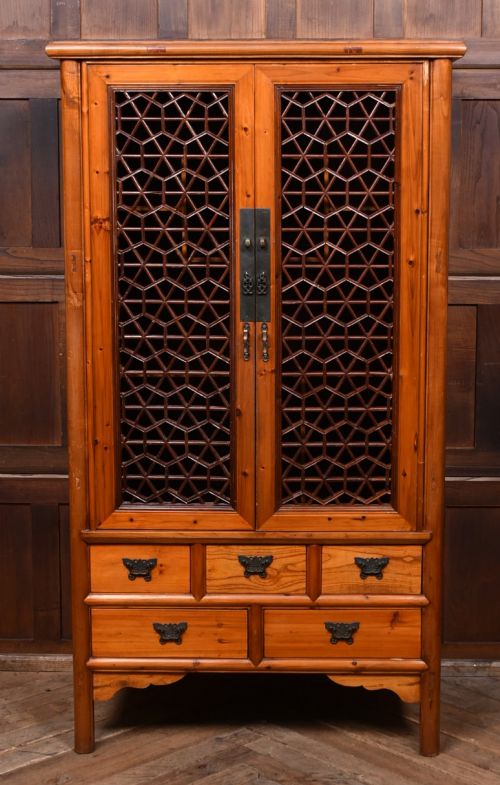
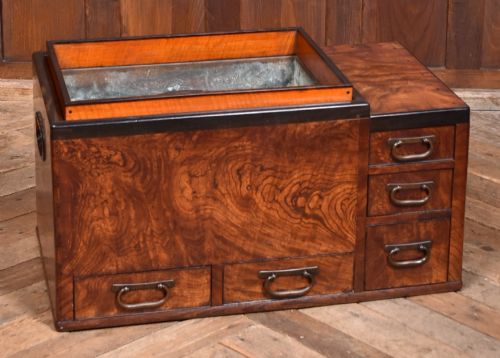

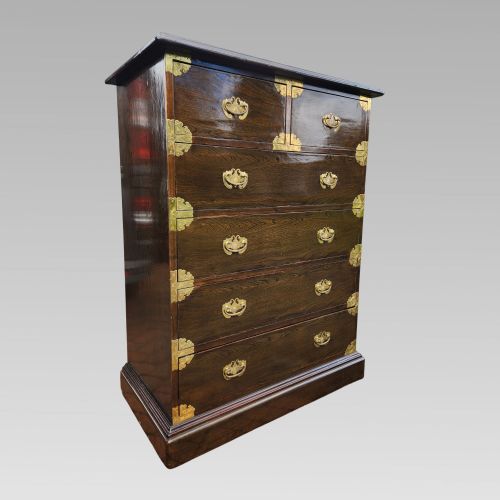
Asian Wood Chest
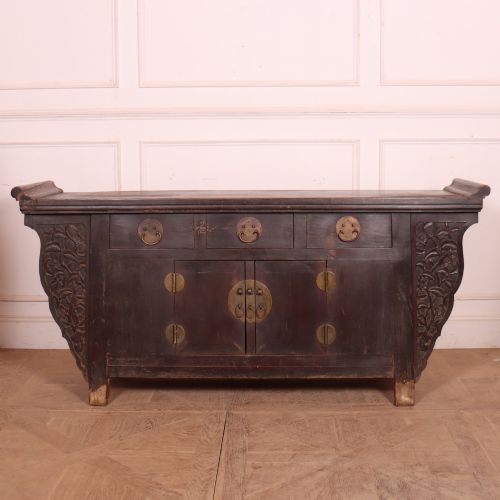
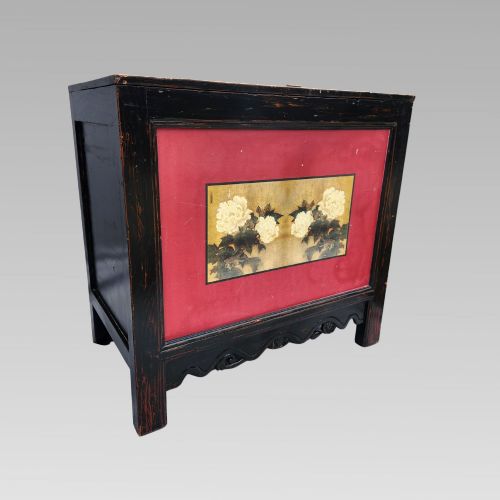
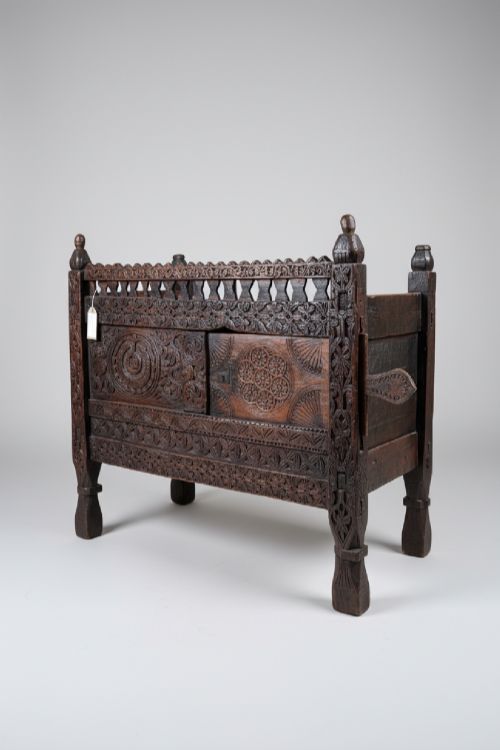
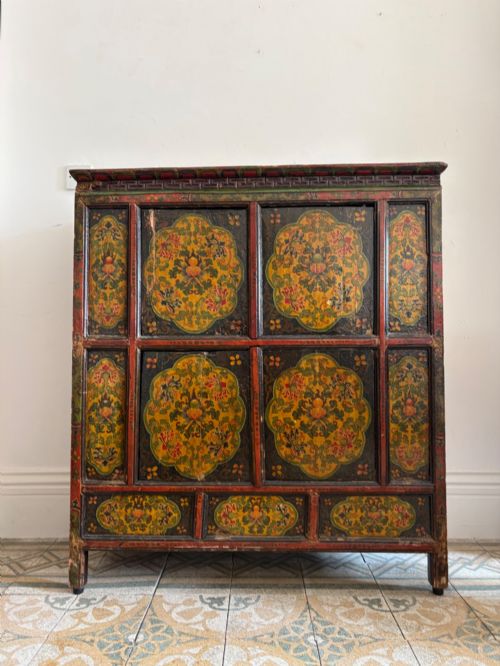
An asian wood chest brings texture and utility into a room, offering sturdy storage fashioned from elm, camphor wood, or cedar.

Asian Wood Chest
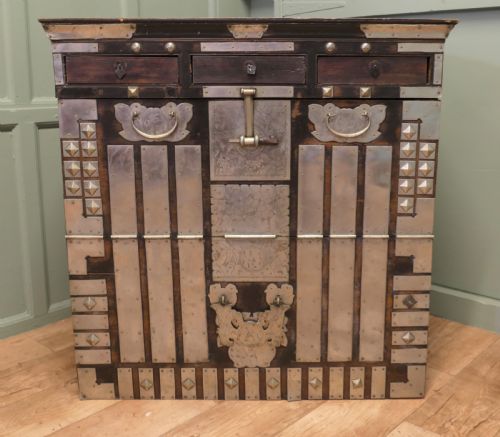
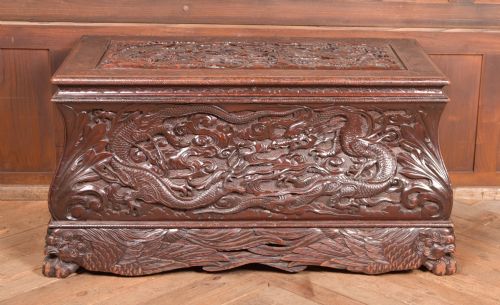
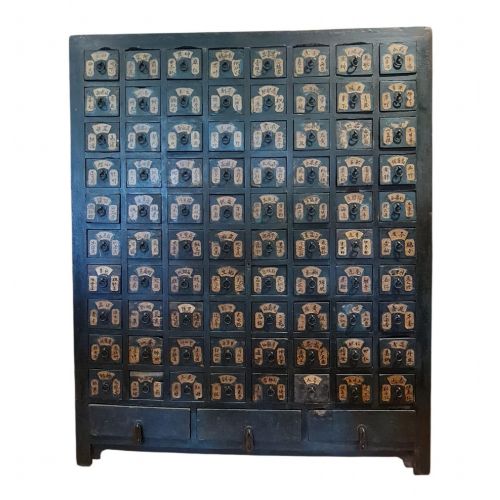
When you search for an asian wood chest, you encounter diverse forms ranging from Japanese tansu storage units to carved camphor trunks and apothecary cabinets. The pieces on this page originate from various regions including China, Japan, Korea, and Tibet, spanning centuries of production.
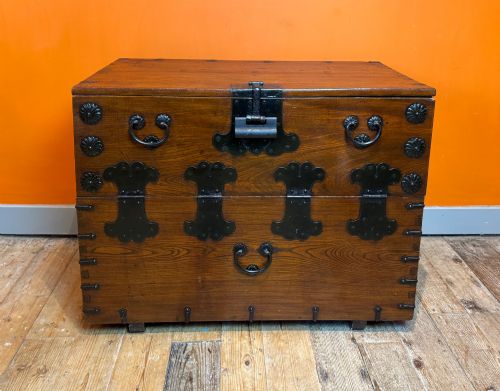
You are most likely to meet 19th-century Japanese tansu chests or Chinese camphor wood blanket boxes on this page. These forms served practical domestic purposes, functioning as luggage chests, kitchen cupboards, or merchant storage before entering the antique market.
Materials and Construction
Makers utilised native timbers such as elm, cedar, hardwood, and camphor wood, frequently incorporating brass and iron for structural reinforcement and handles. Surfaces often received finishes of lacquer, hand-painted floral decoration, or rich carving.
Joinery techniques prioritised durability for travel and daily domestic use, utilising fitted panels of wood without relying solely on modern adhesives. Metal mounts in brass or iron secured corners and drawers against heavy wear.
Asian Wood Chest Retail Price Guide 2026
Typical asking prices for asian wood chest among the pieces listed under this phrase on Sellingantiques today, from the lower quarter to the upper quarter. They describe what is for sale here now, not the wider market.
Listings include camphor wood, elm, cedar, and hardwood, reflecting diverse regional woodworking traditions across Asia.
Craftsmanship and Preservation
Quality rests upon the depth of the carving, the integrity of the original wood, and the survival of surface treatments like lacquer or hand-painted details. Examples with complex internal drawer arrangements or specialist hardware sit above simpler utility boxes.
The preservation of original fixtures, such as iron hinges, brass lock plates, and wheel mountings on mobile cabinets, distinguishes superior pieces. Condition is defined by how well the timber and decorative elements endure without excessive modern intervention.
The Asian Wood Chest Glossary
- Tansu
- A traditional Japanese mobile or stationary storage chest constructed primarily from wood with iron hardware. These units served various domestic functions including clothing and kitchen storage.
- Camphor wood
- A fragrant timber utilised extensively for trunks and blanket boxes due to its insect-repellent properties. The natural scent protects stored textiles from moths.
- Apothecary chest
- A multi-drawer cabinet traditionally employed for storing medicinal herbs and remedies. Chinese examples frequently feature numerous small drawers.
- Kodansu
- A small Japanese tabletop cabinet or box designed for storing valuables, documents, or jewellery. These pieces often incorporate fine lacquer work or metal fittings.
Asian Wood Chest: Frequently Asked Questions
What is a Japanese tansu chest?
A tansu is a traditional Japanese storage chest designed for domestic utility, often featuring multiple drawers and iron mounts.
These pieces were built for specific household tasks, ranging from kitchen storage to clothing organisation.
Why use camphor wood for chests?
Camphor wood emits a natural fragrance that deters insects, making it an ideal material for protecting blankets and garments.
Trunks made from this timber preserve textiles effectively over long periods without chemical treatments.
How do I date an antique chest?
Dating relies on examining the timber species, construction methods, hardware styles, and any remaining surface decoration.
Comparing the joinery and materials against documented examples from specific periods helps establish the likely age.
How do I care for wooden chests?
Maintain wooden chests by keeping them away from direct heat sources and sudden humidity changes to prevent timber splitting.
Dust surfaces gently with a dry cloth and avoid harsh chemical polishes that might damage lacquer or wax finishes.