


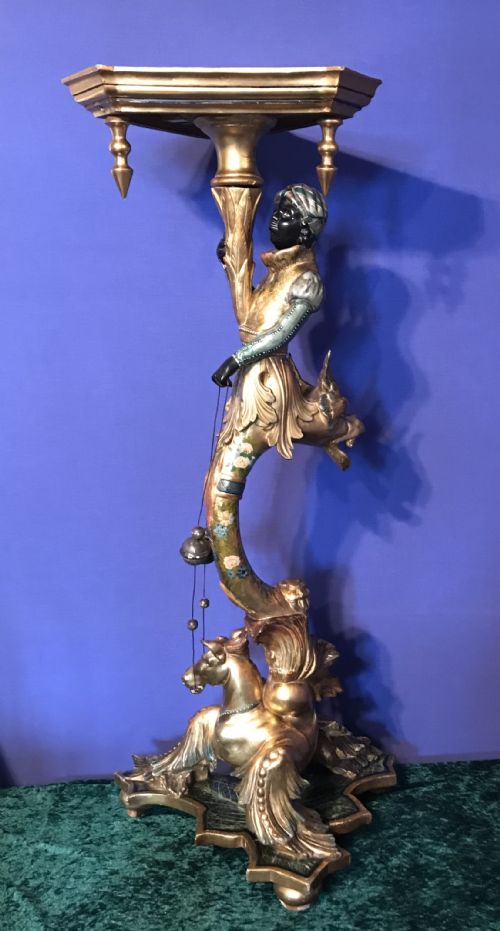
Antique Italian Planter
An antique Italian planter brings classical warmth to a room, forged in marble, terracotta, bronze, and copper across the centuries.
Antique Italian Planter
An antique Italian planter encompasses heavy stone vessels, earthenware pots, and metal jardinieres designed to hold greenery or stand alone as classical ornament. When searching for an antique Italian planter, collectors encounter a wide array of forms ranging from massive garden urns to small bronze bouquet vases.
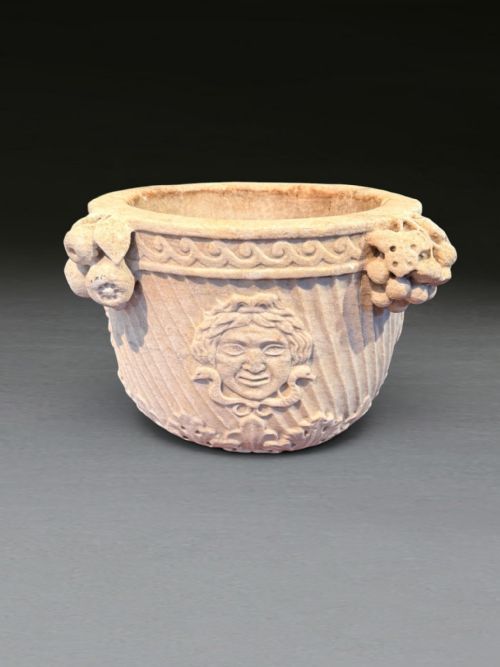
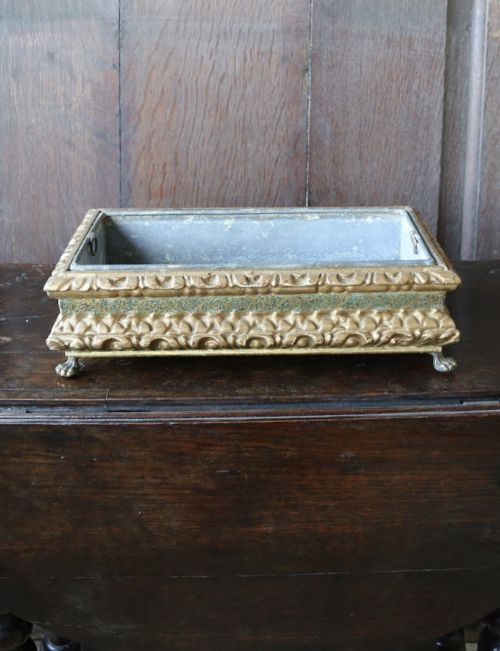
The selections span many periods, moving from sixteenth-century carved marble and seventeenth-century gilt wood boxes to nineteenth-century Grand Tour bronze vessels and early twentieth-century majolica ceramic pieces. Buyers meet grand campana shapes, rustic earthenware oil jars, and intricate pedestal torchieres originating from Italian workshops.
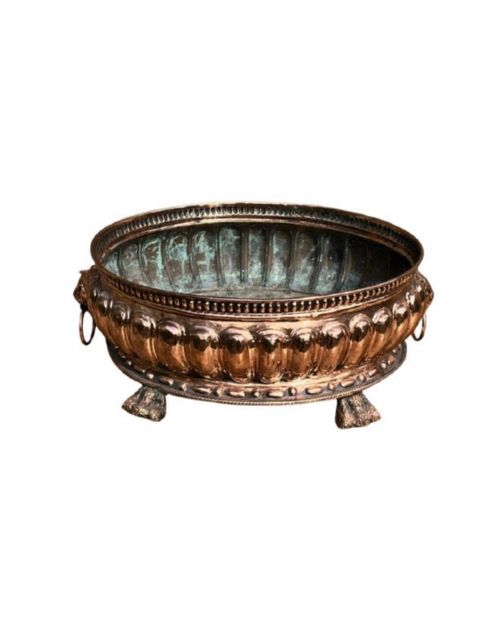
Makers and artisans utilised diverse mediums, shaping copper wine cisterns, brass centrepiece bowls, and glazed ceramic jardinieres with lions head decoration. These pieces reflect distinct regional aesthetics, including Italian Renaissance Revival, Neoclassical, and Rustic Mediterranean styles.
Evaluating craftsmanship and age
Quality rests in the depth and crispness of the hand-carved relief on marble and alabaster surfaces, distinguishing master workshops from simpler output. Cast bronze and brass pieces separate by the precision of the casting and the fidelity of classical decorative motifs like lions heads.
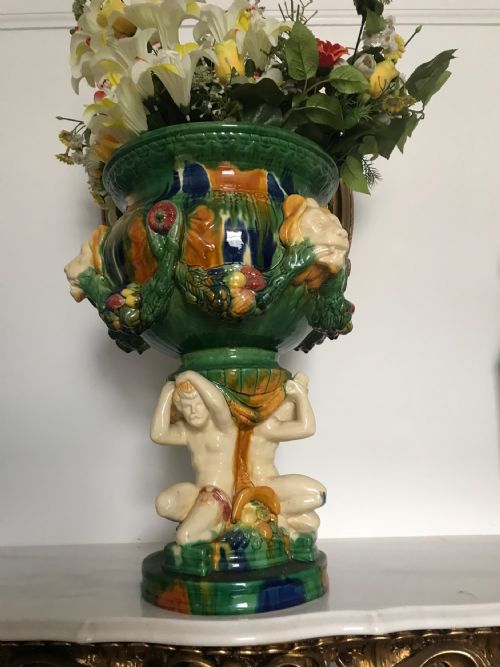
Ceramic quality depends on the complexity of the majolica glaze and the integrity of the figural base stands supporting the planter. Material authenticity and period-correct patination on copper and terracotta further define the standing of each piece.
The selection includes regional Italian forms such as Renaissance marble urns, Victorian Grand Tour bronze vases, and rustic earthenware oil jars.
The Antique Italian Planter Glossary
- Campana urn
- A bell-shaped vessel with a flaring rim, often carved from marble or cast in bronze for garden or interior display. These forms draw directly on classical antiquity.
- Majolica
- Tin-glazed earthenware produced in Italy, known for vibrant coloured decoration and rich glossy surfaces. Potters often shaped these into elaborate jardiniere planters on figural bases.
- Grand Tour
- A cultural journey undertaken by nineteenth-century Europeans who acquired bronze vases, terracotta urns, and marble pieces as souvenirs. These objects reflect classical revival tastes of the period.
- Jardiniere
- An ornamental pot or stand designed specifically to hold indoor plants or floral arrangements. They appear in copper, ceramic, and bronze across Italian decorative arts.
- Torchere
- A tall ornamental stand or pedestal designed to support a light or a planter. Nineteenth-century examples often incorporate exotic Venetian design motifs.
- Wine cistern
- A large metal vessel, typically copper or brass, used historically for chilling wine bottles at the table. These heavy bowls frequently double as grand interior planters.
Antique Italian Planter: Frequently Asked Questions
Where should I place an antique planter?
Heavy marble and terracotta vessels suit stone terraces, gardens, or grand entrance halls where their substantial weight provides stability. Lighter bronze, copper, and majolica pieces function well on side tables, pedestals, or interior centrepieces.
Protect delicate glazed ceramics and carved alabaster from prolonged harsh weather by keeping them in sheltered garden rooms or climate-controlled interior spaces.
How do I care for antique bronze?
Bronze requires minimal intervention to preserve the natural oxidation and historical patination built up over decades or centuries. Dust the surface gently with a soft dry cloth and avoid harsh chemical cleaners.
Applying a light microcrystalline wax can protect exposed metal surfaces from moisture in humid indoor environments without altering the original finish.
What is a Grand Tour planter?
Grand Tour planters are decorative pieces acquired by travellers touring Italy during the nineteenth century, reproducing famous classical antiquities. They often take the form of reduced-scale bronze vases or terracotta urns inspired by archaeological discoveries.
These items brought classical Italian aesthetics into Victorian homes, serving both decorative and conversational purposes.
Can these planters hold live plants?
Many stone, terracotta, and metal vessels can accommodate live plants, provided appropriate inner containers or saucers are used to manage moisture. Terracotta and earthenware are porous, meaning moisture can slowly permeate the clay over time.
Glazed majolica and metal cisterns require care to prevent standing water from damaging interior glazes or causing corrosion on historical surfaces.