
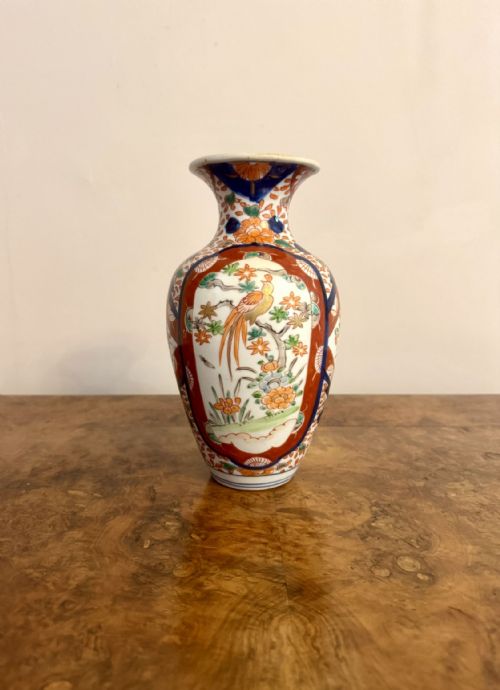
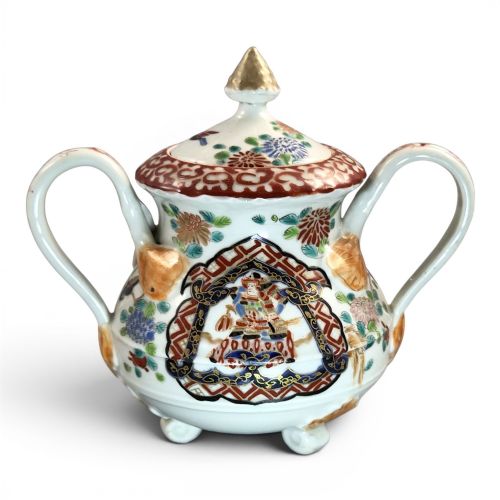


Antique Imari Ceramic Jar
An antique imari ceramic jar brings bold iron-red and cobalt-blue decoration into a room, spanning centuries of Japanese and European craftsmanship.
Antique Imari Ceramic Jar
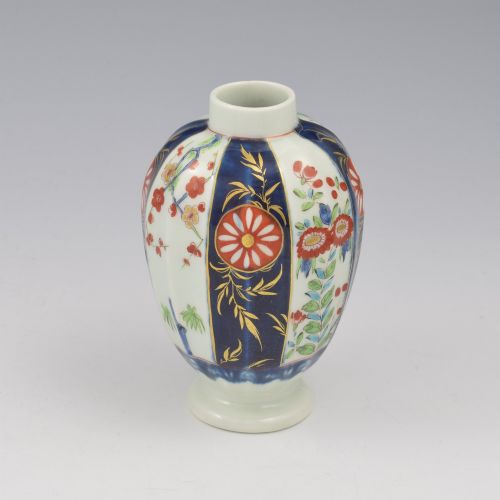
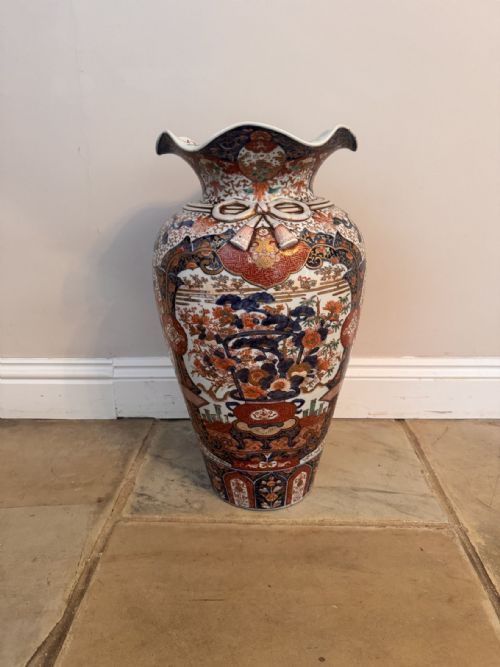
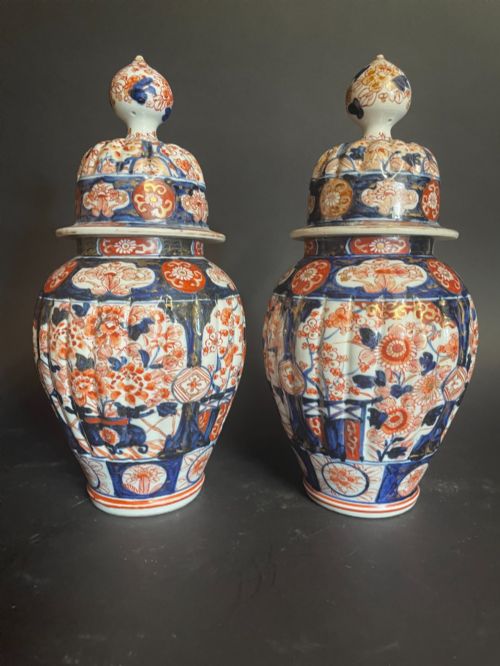
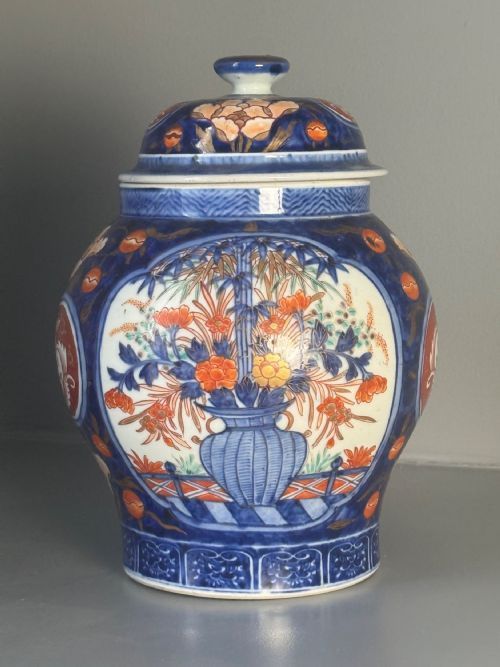
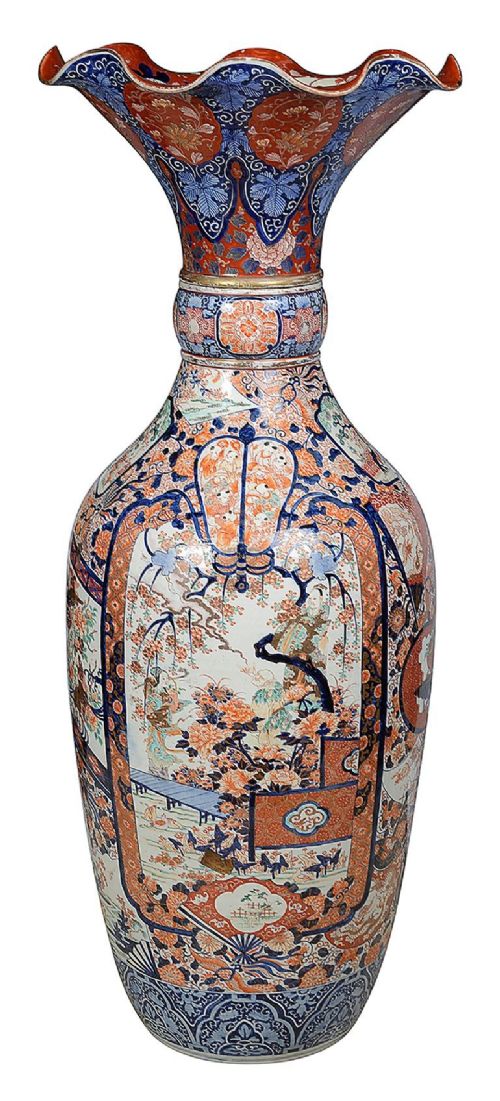
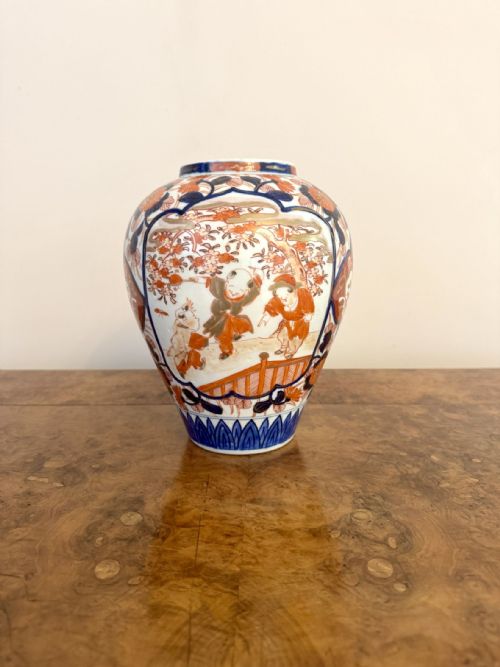
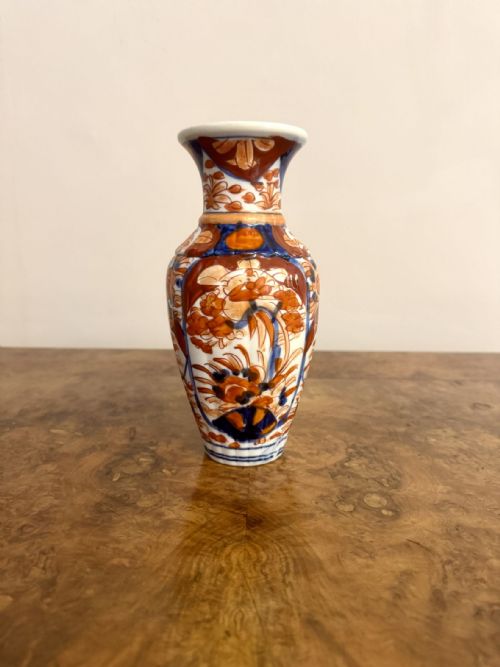
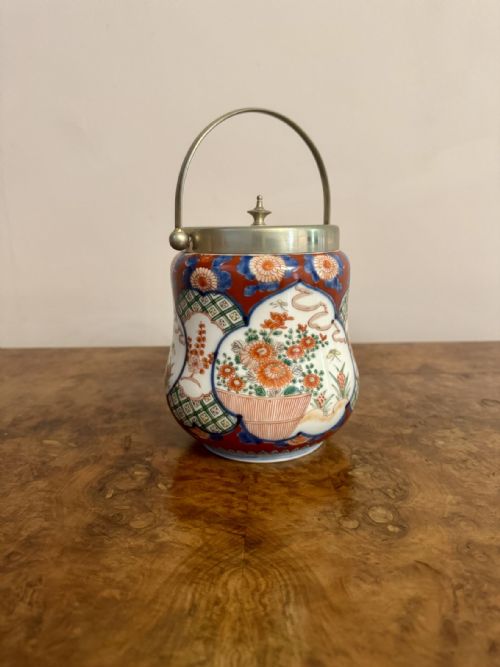
These antique imari ceramic jar pieces encompass traditional vessels created across the Edo and Meiji periods alongside later European interpretations. A buyer searching this phrase encounters everything from lidded ginger jars and biscuit barrels to large floor-standing urns.
Japanese examples dominate the selection, often originating from Arita and displaying classic panel designs featuring figures, florals, and samurai. British and French potteries also produced comparable vessels, adapting the distinct palette onto ironstone and porcelain.
Materials and Construction
Potters shaped these vessels from fine porcelain or ironstone, throwing or moulding them into baluster, octagonal, and double-gourd forms. Kiln firing prepared the ceramic body for intricate hand-painting.
Artisans applied underglaze cobalt blue and overglaze enamel colours, frequently enriched with gold leaf and gilding to create the signature layered visual weight characteristic of the style.
Listings feature pieces spanning from the seventeenth-century Edo period through the nineteenth-century Meiji era and into Edwardian European adaptations.
Assessing Craftsmanship
The precision of the hand-painted brushwork distinguishes superior examples from simpler production pieces, particularly in the rendering of complex floral panels and figures. Richness in the application of enamel and gilding elevates the visual depth of the surface.
Proportion and scale play significant roles, with large lidded jars and matched pairs requiring immense skill from the potter to prevent warping during high-temperature kiln firings.
Fukagawa Mark·Masons Ironstone·Royal Crown Derby·Samson
The Antique Imari Ceramic Jar Glossary
- Imari
- A style of ceramic decoration originating in Japan, defined by a palette of underglaze blue, iron-red, and gilt highlights. The name derives from the port town used to ship these wares.
- Arita
- The Japanese town and surrounding region where the porcelain industry flourished during the Edo period. Artisans here produced the earliest prototypes for the imari aesthetic.
- Baluster
- A vase or jar profile characterised by a rounded body that tapers toward the base and swells near the lower centre. This shape provides a balanced canvas for wrap-around panel designs.
- Ironstone
- A dense, durable type of earthenware patented in the nineteenth century. European makers utilised it as a robust alternative to porcelain for heavy decorative jars.
- Garniture
- A set of three or more matching vases or jars designed to be displayed together on a mantelpiece or sideboard. These sets often combine covered ginger jars with open beaker forms.
Antique Imari Ceramic Jar: Frequently Asked Questions
What is an imari ceramic jar?
These vessels are decorated ceramic containers featuring the distinct iron-red, cobalt-blue, and gilt colour palette associated with Japanese export ware and its European imitators.
They appear in forms ranging from small covered ginger jars to grand lidded vases made for display in formal interiors.
How were these jars used historically?
Original pieces served both practical and decorative functions, storing spices, tea, or dry goods while acting as status symbols in wealthy households.
As export demand grew, European and Japanese makers produced larger covered jars specifically intended as garnitures for mantelpieces and large reception rooms.
How do I date an antique imari jar?
Dating relies on examining the ceramic body, glaze characteristics, and painting style, comparing them against known periods like the Edo and Meiji eras.
Maker marks, where present, help pinpoint specific potteries, though many export pieces bear pseudo-marks or remain unmarked.
How should I display an imari jar at home?
The rich cobalt and iron-red tones pair well with wooden furniture and neutral walls, where the vibrant patterns can stand out as focal points.
Lidded jars and ginger jars look effective on sideboards, shelves, or paired together as matching sets.