


Antique Greek Urn
An antique greek urn brings classical proportion and centuries of Mediterranean history straight into a room.
Antique Greek Urn
The objects listed range from rustic Mediterranean oil jars and painted pottery vessels to refined bronze tazzas and grand tour souvenirs. Many of these pieces reflect nineteenth-century revivals of classical antiquity, bridging ancient utility with Victorian and Regency decorative tastes.
How they were made
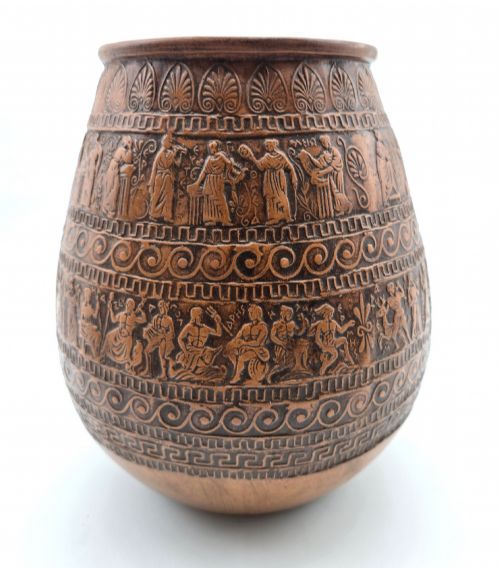
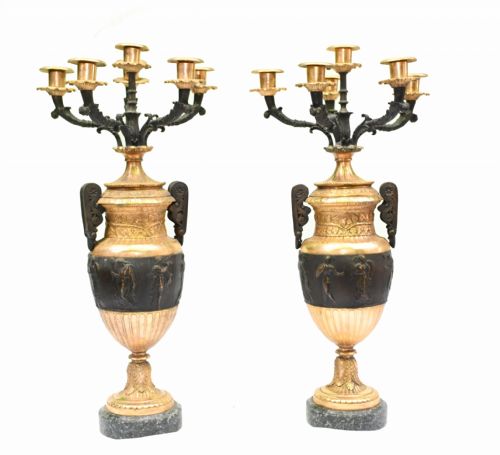
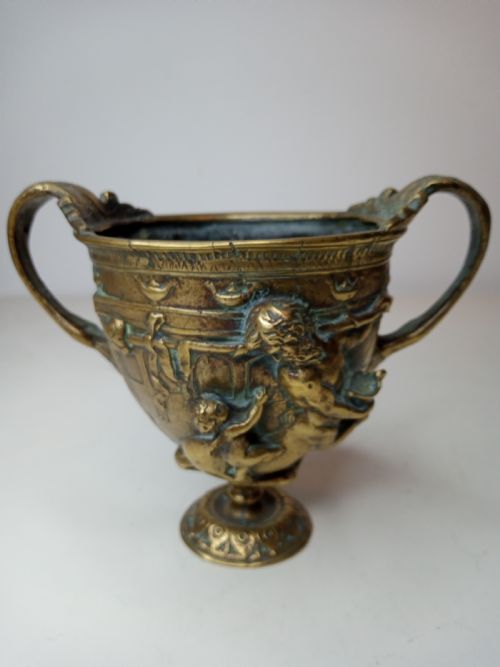
Potters and artisans shaped these vessels primarily from terracotta, earthenware, and clay, often leaving surface textures that show the hand of the maker. Metal pieces employ cast bronze, brass, and gilt bronze, occasionally mounted on marble bases for stability and display.
Surface treatment varies from natural fired clay and painted earthenware to enamelled glass and patinated bronze. Workshops utilised traditional casting, throwing, and hand-painting techniques to emulate genuine antiquities.
Materials across these listings range from terracotta and clay to bronze, brass, marble, enamel, and glass.
What varies in quality
Quality rests upon the crispness of the cast in metalwork and the balance of form in terracotta and earthenware vessels. Finer examples display meticulous attention to classical detail, from the proportions of handles and rims to the subtlety of patination.
The distinction between standard decorative items and exceptional pieces lies in the fidelity of the classical revival design and the integrity of the material. Artisanal execution in grand tour bronzes and signed glass pieces elevates the work significantly.
Richardson Vitrified
The Antique Greek Urn Glossary
- Amphora
- A two-handled jar with a narrow neck used in ancient times for storing oil or wine. Later nineteenth-century makers revived this classic silhouette for decorative garden and interior use.
- Grand Tour
- A cultural journey undertaken by wealthy young Europeans in the eighteenth and nineteenth centuries to study classical art. Souvenirs collected along the way included miniature bronzes and architectural models.
- Terracotta
- Fired unglazed clay of a brownish-red colour, widely used for utilitarian storage jars and ornamental garden urns. Its porous nature often acquires a weathered patina over decades outdoors.
- Tazza
- A shallow cup or vase on a pedestal foot, frequently produced in bronze or marble during the nineteenth century. These pieces were modelled closely on ancient excavation finds.
- Oinochoe
- A wine jug with a trefoil lip originating in ancient Greek pottery forms. Later revival versions used brass and other metals to recreate the distinctive pouring spout.
Antique Greek Urn: Frequently Asked Questions
How old are these urns?
The majority of pieces date from the nineteenth century, reflecting periods such as the Regency and the Victorian era. These items were created as revivals or grand tour souvenirs inspired by much earlier civilisations.
A small number of listed antiquities originate from early Greece prior to the sixteenth century, representing genuine ancient production rather than later revival styles.
Where were these pieces made?
Origins span across Europe and the Mediterranean, including England, France, Italy, and Turkey. Workshops in Birmingham, Paris, and Italian regional centres produced much of the metalwork and glass.
Terracotta jars typically originate from Mediterranean regions such as Turkey and Italy, where traditional pottery methods persisted for generations in olive and oil production.
Can terracotta urns stay outside?
Large terracotta oil jars and garden urns are historically designed for agricultural or estate use, making them robust enough for outdoor placement in mild climates. Their porous clay body responds to moisture and frost over time.
Freezing winter conditions can damage nineteenth-century terracotta if water trapped inside expands, so many collectors prefer to house finer decorative vessels indoors.
How do I style an antique urn at home?
These vessels suit placement as standalone architectural focal points on pedestals, tables, or garden terraces. Bronze tazzas and glass vases work well on mantelpieces or sideboards where close inspection of the classical detail is possible.
Larger amphorae and oil jars fill empty hallway corners or anchor garden planting schemes without needing additional decoration inside them.