
Antique Terracotta Vessel
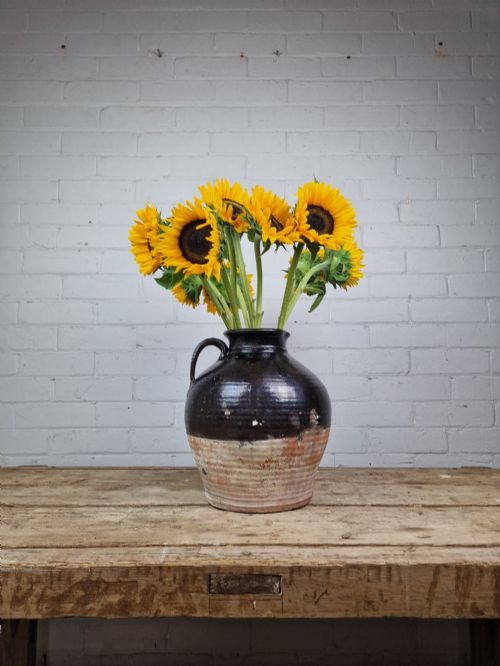
An antique terracotta vessel brings centuries of earthy texture and functional form into a room.
Antique Terracotta Vessel
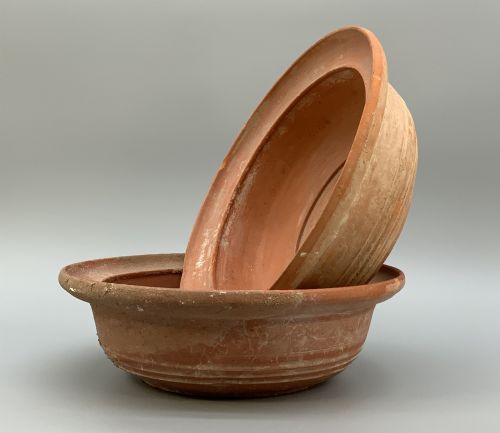
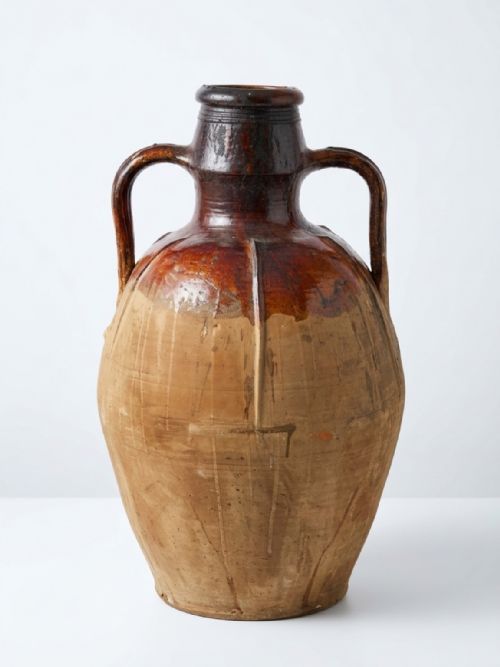
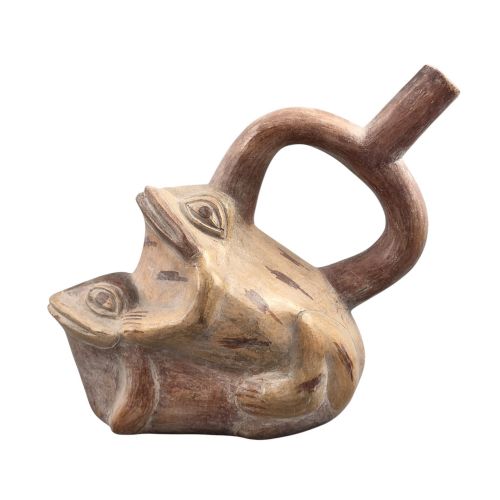
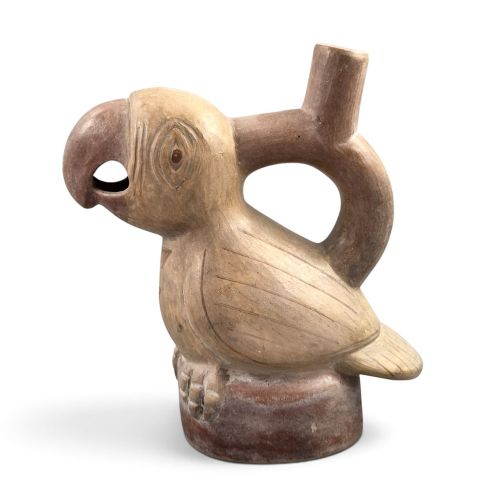
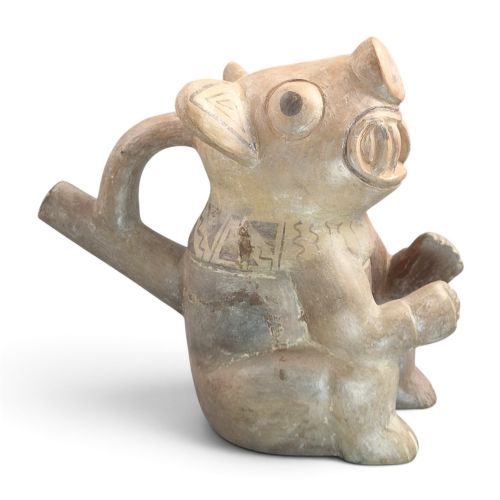
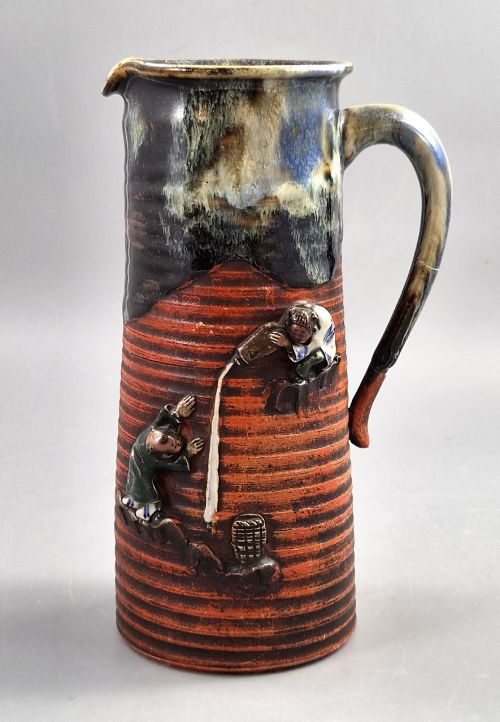
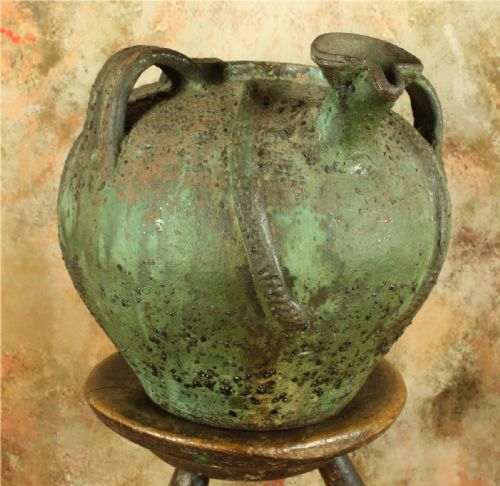
An antique terracotta vessel encompasses utilitarian storage jars, garden pots, and decorative amphorae shaped from fired clay. Buyers searching this phrase encounter pieces ranging from large Mediterranean olive jars and French confit pots to pre-Columbian figures and Japanese earthenware.
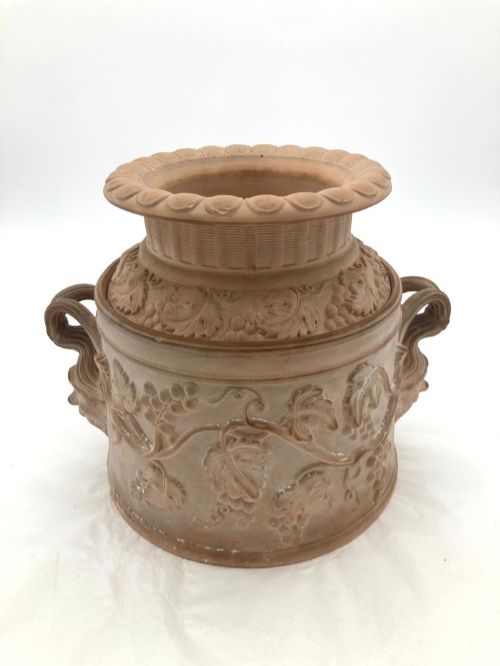
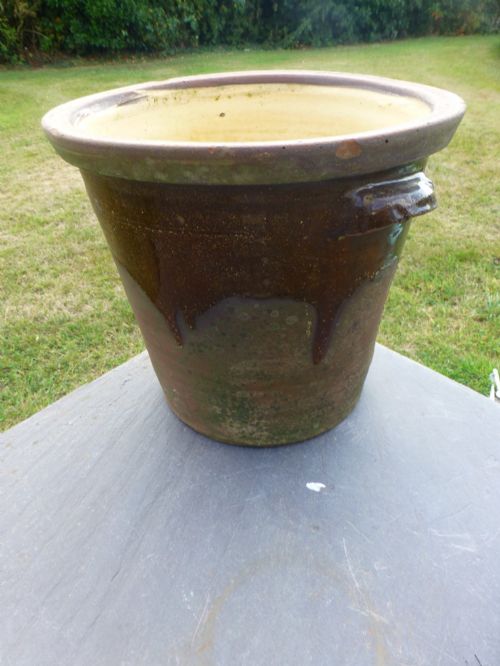
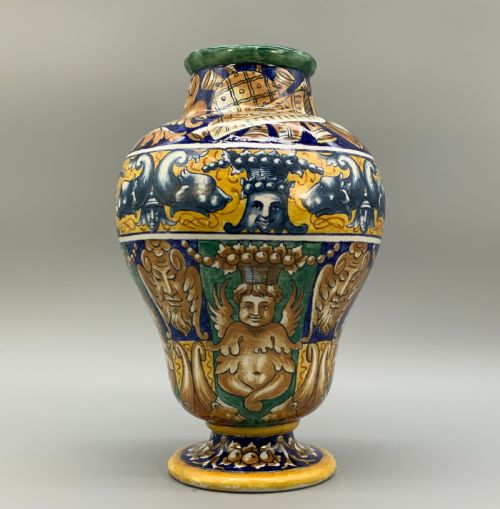
The nineteenth century dominates the current selection, offering utilitarian dairy crocks, grand tour vases, and massive Italian wine jars alongside earlier seventeenth-century slipware jugs and ancient pre-Columbian bowls.
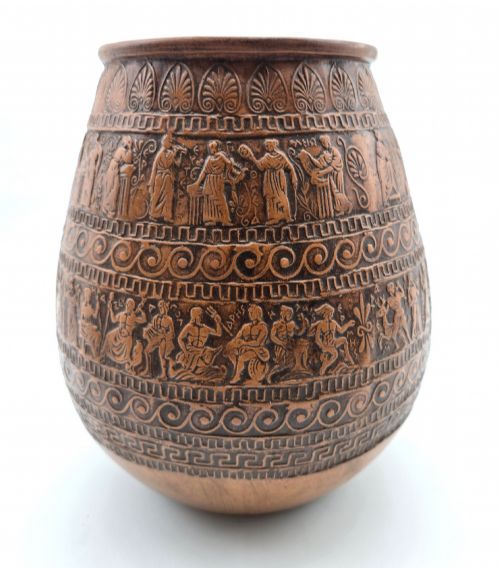
Functional domestic wares share space with ornamental vessels influenced by French country, rustic Mediterranean, and Japanese Meiji aesthetics, reflecting centuries of global pottery traditions.
Materials and construction
Makers shaped these pieces from local clay, earthenware, and terracotta, often finishing interiors or exteriors with lead or tin glazes to ensure the porous bodies held liquids safely.
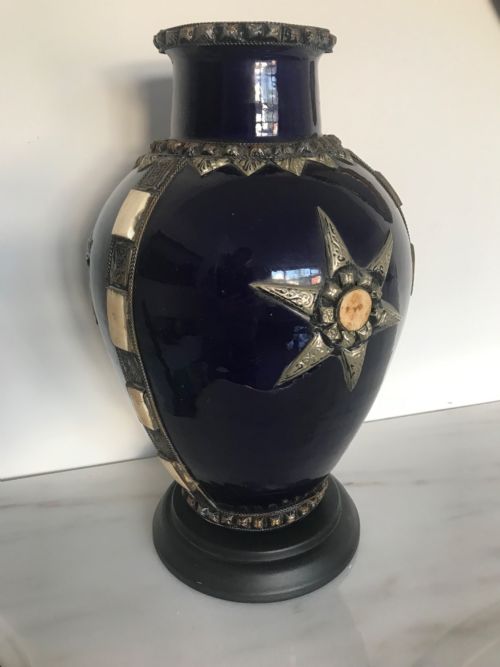
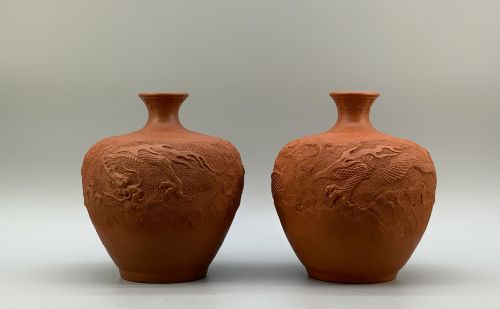
Techniques varied from hand-coiling and wheel-throwing to moulding, frequently complemented by applied decorative elements such as silver mounts, moulded dragons, or slip-painted motifs.
Firing took place in traditional kilns, leaving natural surface variations, kiln marks, and aged patinas that record the manual labour of historic potters.
Listings feature earthenware and stoneware spanning from ancient pre-Columbian traditions and Chinese dynasties to nineteenth-century European utilitarian wares.
Assessing craftsmanship
Quality rests in the harmony of proportion, the stability of the fired body, and the confident execution of handles, rims, and applied details by the potter.
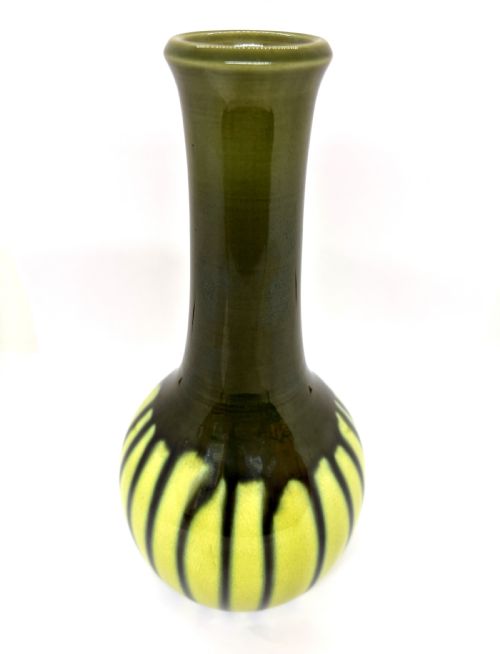
Superior examples display intentional glaze application, such as rich green or cobalt washes, and retain crisp surface decoration that survives centuries of domestic or agricultural use.
The integrity of the vessel, including the natural weathering of exposed terracotta and the preservation of historic mounts or slips, distinguishes exceptional pieces from ordinary utilitarian stock.
Burmantoft's Pottery·Cantagalli·Davenport
The Antique Terracotta Vessel Glossary
- Terracotta
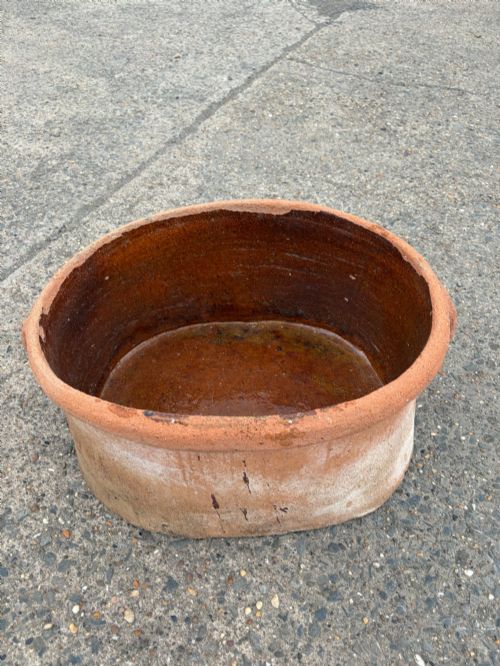
- Fired unglazed or glazed clay of a brownish-red colour. It forms the primary structural body for most storage jars and garden vessels in these listings.
- Slipware
- Pottery decorated with a thin mixture of clay and water applied before firing. This technique creates contrasting patterns on historic jugs and tavern vessels.
- Confit jar
- A traditional French earthenware pot featuring a glazed interior. Potters historically utilised these vessels for preserving and storing food.
- Amphora
- A two-handled ancient vessel with a narrow neck used for storage or transport. Nineteenth-century makers frequently reproduced these classical forms for grand tour collectors.
- Majolica
- Tin-glazed earthenware painted with colourful opaque metallic oxide glazes. Italian and continental workshops produced these decorative pieces in imitation of earlier styles.
Antique Terracotta Vessel: Frequently Asked Questions
What were antique terracotta vessels used for?
Historic households utilised these heavy earthenware pieces for storing olive oil, wine, grain, and preserved foods. Larger jars served practical roles in dairies and farmhouses before transitioning to decorative garden ornaments.
Over time, many utilitarian storage containers crossed into the realm of interior decoration as collectors valued their robust forms and weathered surfaces.
How do I care for an old terracotta pot?
Protect fragile earthenware from freezing temperatures if kept outdoors, as trapped moisture inside the porous clay body can cause cracking during winter months. Indoors, place protective felt pads beneath heavy bases to avoid scratching furniture surfaces.
Dust the dry exterior gently with a soft brush rather than washing historic porous clay with harsh chemical cleaning solutions.
How can I tell the age of a vessel?
Dating relies on examining the forming techniques, clay composition, glaze characteristics, and tool marks left by the potter during manufacture. Variations in regional styles, such as French confit jars or Japanese Meiji period earthenware, provide clear chronological markers.
Patina, historical wear patterns, and surface encrustations accumulated over centuries further help distinguish nineteenth-century productions from ancient pre-Columbian or medieval artefacts.