



Brown Terracotta Urn
These brown terracotta urn pieces bring earthy texture and classical form into your interior or garden, offering a tactile focal point that grounds any room.
Brown Terracotta Urn
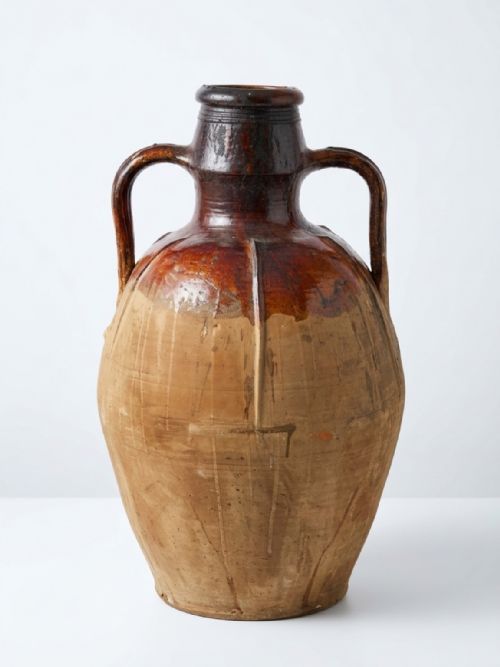
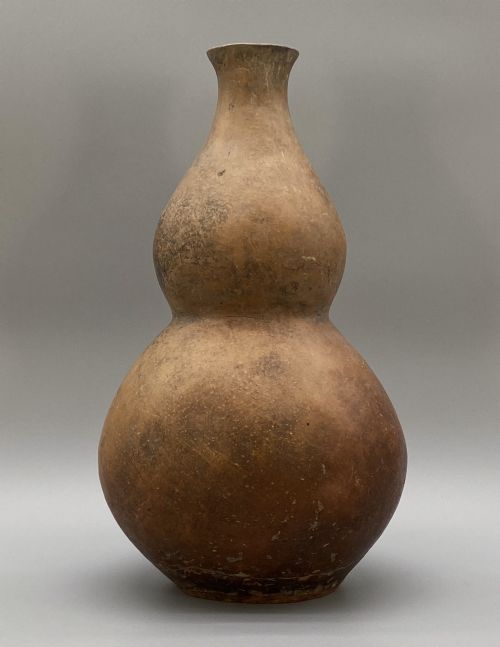
A brown terracotta urn brings historical weight to a space, drawing on traditions from Greek Revival forms to rustic Mediterranean styles. You encounter these pieces primarily as garden planters, oil jars, amphorae, and large decorative vessels.
The selection ranges across the nineteenth century up to the twentieth century, encompassing country Italian wine jars, French walnut oil jars, and faux bois strawberry planters. These objects function equally well as standalone sculptures or as vessels for displays of flowers and foliage.
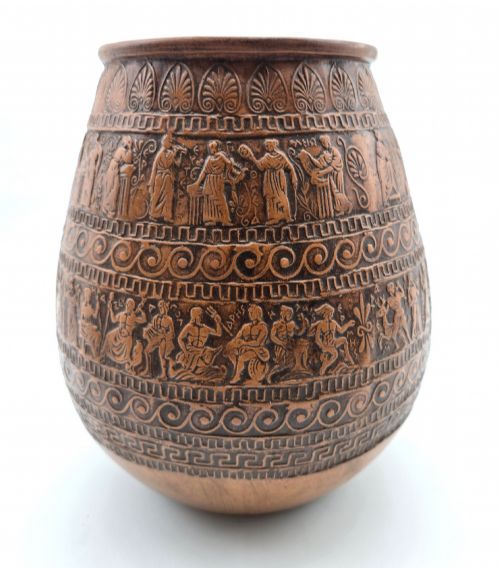
The forms vary from utilitarian agricultural vessels designed for olive oil or wine to ornamental items styled after classical antiquities. Such pieces anchor a room with their natural earthen tones and substantial presence.
How they were made
Makers shaped these pieces from clay and terracotta, utilising earthenware and salt-glazed stoneware to achieve durable vessels. Some examples incorporate a glaze layer to alter the porosity and finish of the ceramic body.
Techniques range from wheel-thrown utility vessels to hand-modelled naturalistic planters with faux bois bark surfaces. Firing methods determined the ultimate hardness of the stoneware and the rich brown coloration of the finished ceramic.
Materials across these listings span terracotta, earthenware, salt-glazed stoneware, and ceramic, alongside occasional glass and metal elements.
What varies in quality
The distinction between standard utility vessels and superior examples lies in the finesse of the modelling and the integrity of the ceramic body. Pieces intended for display often exhibit more elaborate surface work, such as naturalistic plant textures or classical detailing.
Proportion and scale dictate the visual impact of an urn, with larger jars and symmetrical amphorae commanding greater presence. The depth of the natural clay tone and the survival of an original glaze or surface patina distinguish the more accomplished pieces.
The Brown Terracotta Urn Glossary
- Terracotta
- A porous, unglazed or glazed fired clay of a brownish-red or earthy hue. This material forms the primary body of the urns and planters listed here.
- Amphora
- A two-handled jar with a narrow neck used historically for storage or transport. These vessels appear in Mediterranean and classical contexts.
- Faux bois
- An artistic imitation of wood or tree bark applied to ceramic or stone. This technique creates naturalistic garden planters and stands.
- Jardiniere
- An ornamental pot or stand for holding plants or flowers. These items often feature decorative motifs suited to interior or conservatory placement.
- Stoneware
- A robust, vitrified ceramic fired at high temperatures until impervious to liquids. Salt-glazed variants feature a characteristic textured surface.
Brown Terracotta Urn: Frequently Asked Questions
Can I use these terracotta urns outside?
Many of these pieces originated as garden planters, oil jars, or agricultural vessels designed for outdoor use.
However, porosity and frost resistance vary depending on whether the ceramic is earthenware or salt-glazed stoneware.
How do I clean an antique terracotta urn?
Dust gently with a dry or slightly damp cloth to preserve the surface patina and any historic earthen residue.
Avoid harsh chemical detergents that might damage unglazed clay or historic glazes.
What is the difference between an oil jar and an amphora?
Oil jars were traditionally manufactured with wide bodies and sturdy rims to store and pour agricultural liquids like olive oil or wine.
Amphorae typically feature two distinct handles flanking a narrow neck, following classical Greek and Roman vessel archetypes.
How do I date a nineteenth-century terracotta planter?
Dating relies on assessing the manufacturing technique, tool marks, clay consistency, and stylistic cues such as Victorian rustic or Greek Revival motifs.
Comparing the form to documented nineteenth-century garden pottery catalogues provides further chronological context.