


Earthenware Oil Jars
These earthenware oil jars are functional Mediterranean vessels shaped from clay and terracotta, offering rustic character and historic presence for modern homes.
Earthenware Oil Jars
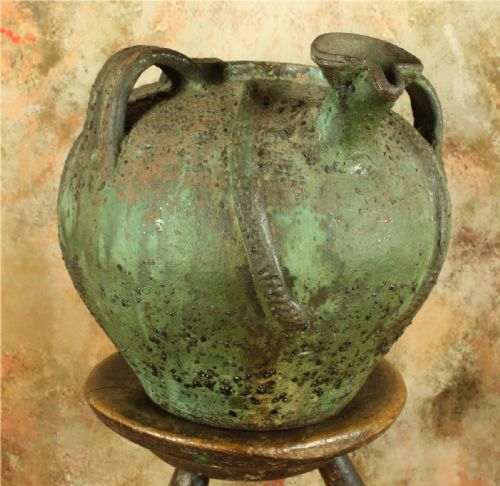
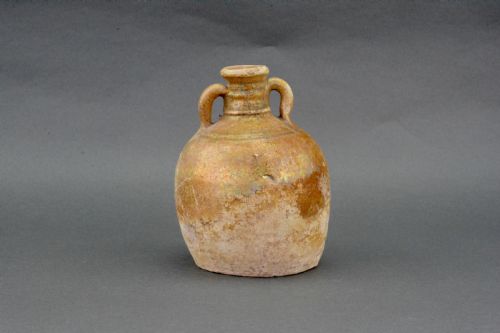
When you search for earthenware oil jars, you find heavy utilitarian vessels originally built for storing and transporting oil, wine, and crops across the Mediterranean. The selection spans robust nineteenth-century painted pots, eighteenth-century French walnut oil jugs, and even ancient late Roman flasks from before the sixteenth century.
The forms you are most likely to meet on this page include large terracotta olive jars, multi-handled storage vessels, and glazed amphora forms. These containers often sit on wrought iron stands or display weathered surfaces with traces of old lime wash and historic paint.
How they were made
Potters shaped these earthenware oil jars from local clay and terracotta, throwing or building large volumes designed to withstand heavy daily agricultural use. Many pieces received tin glazes or protective exterior coats of paint and lime wash to seal the porous walls.
Structural reinforcement often came from multiple handles, while some utilitarian jugs gained added stability through bespoke wrought iron supports. The combination of dense fired earth and earthy mineral pigments gave these containers their enduring physical weight.
One tiny Roman flask sneaks in among these giant Mediterranean oil jars to remind everyone that history comes in all sizes.
What varies in quality
Quality in these earthenware oil jars rests on the harmony of proportion, the integrity of the surviving earthenware body, and the character of any surface pigment. Pieces with intact early glazes or untouched layers of historic paint hold greater visual presence than later, plainer iterations.
The distinction also lies in how cleanly the vessel resolves its utilitarian purpose, from the balance of multi-handled olive jugs to the sculptural weight of amphora forms. Better examples retain their original surface patination without aggressive modern restoration masking the historic clay.
The Earthenware Oil Jars Glossary
- Terracotta
- Fired unglazed clay of a brownish-red colour. This material forms the primary body for most Mediterranean storage jars and garden vessels.
- Amphora
- A two-handled ancient jar with a narrow neck used for oil or wine. These classic vessel shapes appear frequently among historic storage containers.
- Glaze
- A vitreous layer or coating fused to a ceramic body by firing. Tin glazes provide both waterproofing and a smooth surface for polychrome decoration.
- Lime wash
- A simple coating made from slaked lime and water, often tinted with pigments. Historic oil jars frequently show weathered remnants of this traditional finish.
- Wrought iron
- Iron beaten into shape by hand with a hammer, typically while hot. This sturdy metal provides supporting stands for heavy terracotta vessels.
Earthenware Oil Jars: Frequently Asked Questions
What were earthenware oil jars used for?
These vessels served primarily as robust agricultural containers for storing, settling, and transporting olive oil, wine, and other liquid crops across Mediterranean estates.
Over time, their thick terracotta walls kept contents cool and secure from pests, fulfilling a purely practical role before entering domestic or garden settings as decorative pieces.
How do I care for an old oil jar?
Keep your earthenware jar in a stable indoor environment or protect it from freezing winter conditions if placed outdoors. Terracotta absorbs moisture, and sub-zero temperatures can cause trapped water to expand and crack the historic clay.
Dust the surface gently with a dry cloth and avoid harsh chemical cleaners that might strip away historic paint or lime wash layers.
How do I tell an 18th century jar from a 19th century one?
Dating relies on observing potting techniques, handle configurations, and the specific wear patterns embedded in the clay body. Earlier eighteenth-century French walnut oil pots often feature distinct potting ridges and three-handle arrangements suited to manual tipping.
Nineteenth-century examples frequently incorporate broader painted surfaces, tin glazing, or standardised amphora shapes that reflect changing Mediterranean folk art traditions.