


Traditional Terracotta Urn
These traditional terracotta urn vessels and planters bring warmth and texture to gardens and interiors.
Traditional Terracotta Urn
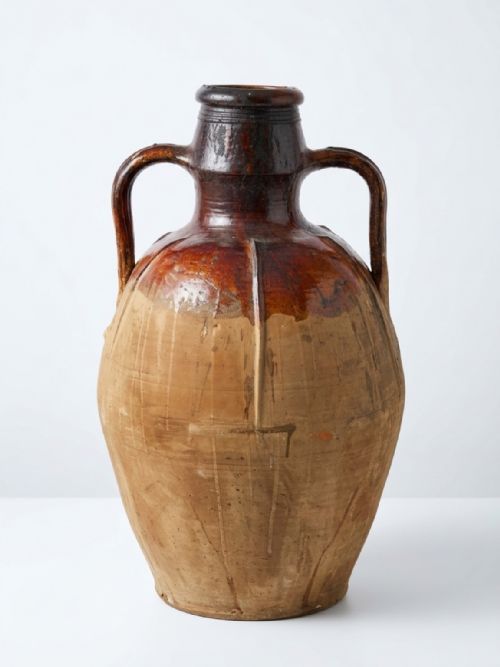
A traditional terracotta urn search reveals a diverse collection of garden ornaments, planters, and storage vessels fashioned from clay and earthenware. Buyers encounter pieces spanning from the 18th century through to the mid-20th century, originating from regions including France, Italy, Turkey, Portugal, and Scotland.
Vessels range from tall buff clay chimney pots and amphorae to pairs of garden urns on plinths and painted lamp bases. Each object demonstrates the enduring appeal of fired earth forms across different European and Mediterranean traditions.
Materials and construction methods
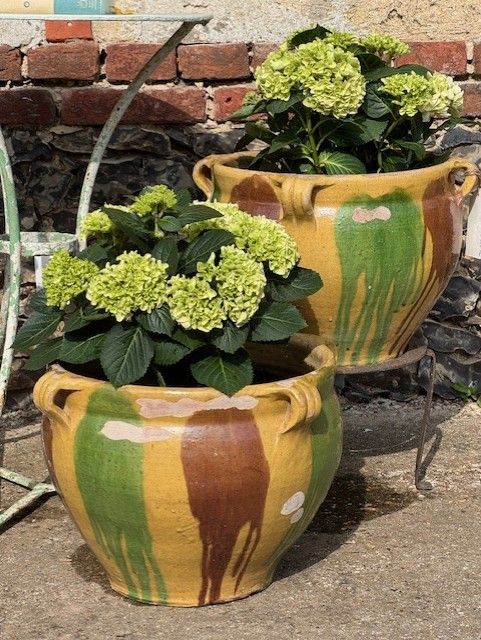
The pieces listed are constructed primarily from terracotta, earthenware, and buff clay, utilising natural mineral materials shaped into vessels and planters. Glaze and enamel appear on specific items, notably in dribble glazed French planters from Castelnaudary.
Manufacturing techniques combine traditional throwing and moulding methods to produce large-scale storage jars, oil pots, and campana garden urns. Wrought iron elements accompany certain earthenware forms, providing structural support or handles for heavy pots.
Listings feature items from the 18th century, Victorian era, 1900, and 1920, predominantly constructed from terracotta, earthenware, and clay.
Distinctions in quality and character
Quality in traditional terracotta urn items rests upon the integrity of the clay body, the balance of the vessel's proportions, and the depth of natural patination accumulated through age and use. Examples that retain original surface textures, subtle glaze runs, or authentic weathering stand apart from simpler utilitarian wares.
The distinction between standard production vessels and finer decorative pieces often lies in the crispness of moulded details, such as campana rims or plinth mounts, and the preservation of historical painted surfaces on olive and oil jars.
The Traditional Terracotta Urn Glossary
- Terracotta
- A porous, unglazed or glazed fired earthenware clay of a brownish-red colour. It remains a primary material for garden pots and storage vessels.
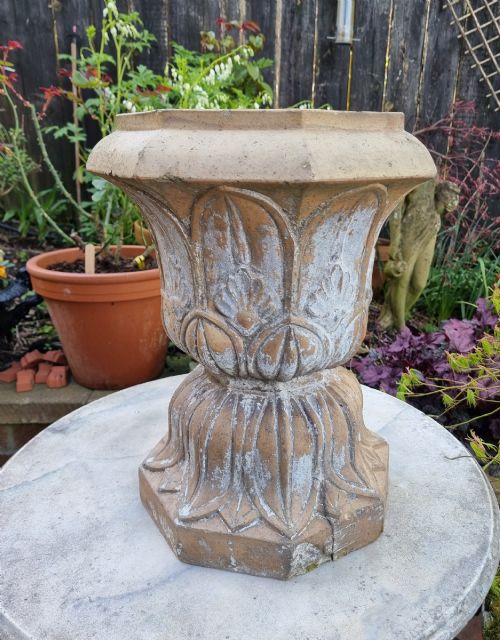
- Campana
- A bell-shaped garden urn profile typically mounted on a pedestal or plinth. This classical form appears frequently in Victorian and 20th-century garden ornaments.
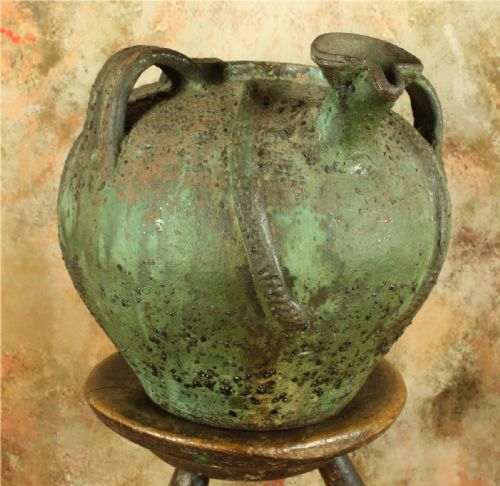
- Confit pot
- A traditional French earthenware jar featuring handles, historically utilised for preserving food. Many surviving examples display characteristic partial glazes.
- Amphora
- A two-handled ancient vessel shape with a narrow neck, utilised here in Mediterranean terracotta variants for storage and display.
- Patination
- The surface alteration and weathering acquired by clay and earthenware over decades of exposure to the elements or handling.
Traditional Terracotta Urn: Frequently Asked Questions
How are traditional terracotta urn pieces dated?
Dating relies on stylistic markers, manufacturing techniques, and recorded provenance connecting the piece to periods such as the 18th, 19th, or early 20th centuries.
Changes in clay preparation, glaze formulas, and regional potting traditions also help specialists assign approximate eras to unmarked items.
Can these garden urns stay outside in winter?
Many traditional terracotta urns and planters withstand outdoor conditions, but porosity varies depending on the specific firing temperature and clay density.
Frost resistance is not guaranteed for all earthenware, so moving delicate or heavily weathered jars under cover during freezing weather is often advisable.
What is the difference between an oil jar and a confit pot?
Oil jars are typically large, deep-bodied vessels designed for storing and transporting agricultural liquids like olive oil across Mediterranean regions.
Confit pots are specific French earthenware jars featuring side handles, made for food preservation rather than bulk oil storage.
How should I clean an antique terracotta pot?
Gentle brushing with water removes loose soil and organic debris while preserving the historic patination and surface character.
Harsh chemical cleaners or pressure washers should be avoided, as they can strip away desirable weathering and damage porous earthenware.