



Carved Terracotta Planter
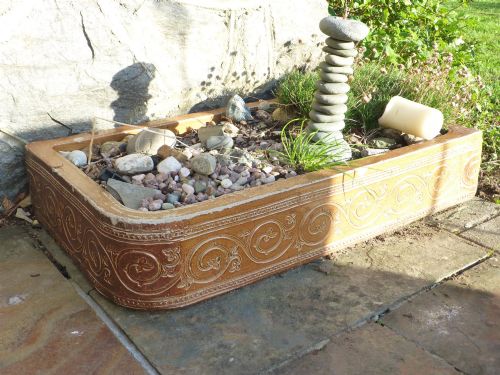
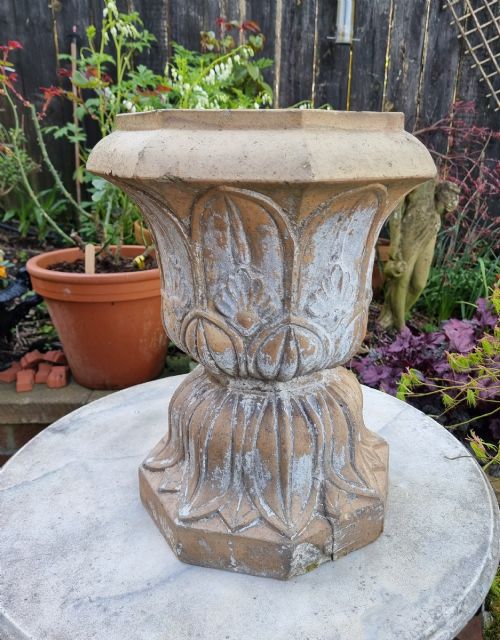
A carved terracotta planter brings classical garden ornament into a courtyard or terrace, offering durable earthenware modelled with historic forms and crisp detail.
Carved Terracotta Planter
When you search for a carved terracotta planter, you encounter robust garden vessels and architectural pieces designed to weather outdoor elements while providing a handsome setting for plants. The selection includes substantial garden urns, window troughs, and chimney pots spanning the Victorian, Edwardian, and twentieth-century periods.
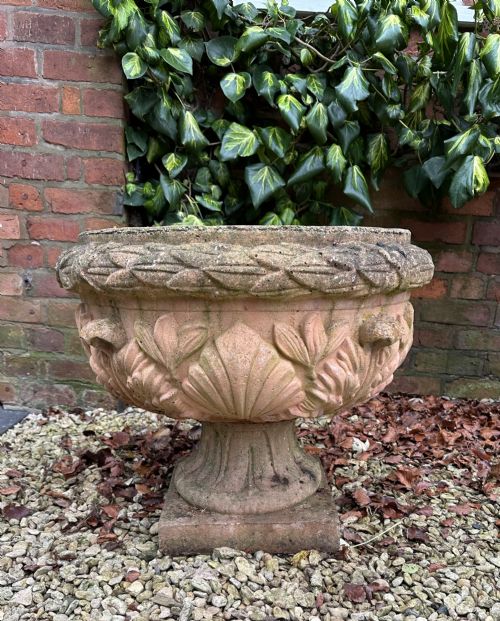
Most examples hail from the nineteenth century or early twentieth century, taking forms such as campana urns, classical pedestals, and French salt-glazed troughs. These items often feature modelled details like carved heads on handles, reflecting Italianate and neoclassical design influences.
Makers and origins range from Scottish workshops to French potteries and Italian kilns, employing durable clay bodies. Buyers frequently select these heavy vessels to anchor a garden scheme or to provide architectural presence on a terrace.
How they were made
Potters shaped these objects from terracotta, buff clay, and salt-glazed stoneware, utilising traditional moulding and throwing techniques suited to heavy garden wares. The clay was often left unglazed to develop a porous, natural surface, though certain French and British pieces received salt glazes for added durability against frost.
Carved Terracotta Planter Retail Price Guide 2026
Typical asking prices for carved terracotta planter among the pieces listed under this phrase on Sellingantiques today, from the lower quarter to the upper quarter. They describe what is for sale here now, not the wider market.
Listings feature pieces from the Victorian and Edwardian eras, alongside twentieth-century classical designs made from terracotta, salt-glazed stoneware, and marble.
What varies in quality
Quality rests in the crispness of the modelled ornament and the depth of the clay body, where deeply carved handles and sharp architectural mouldings distinguish superior vessels from simpler utilitarian pots. The density of the terracotta and the quality of the initial firing determine how cleanly the surface ages outdoors.
Proportion and decorative ambition separate standard garden vessels from exceptional pieces, such as those incorporating carved heads or specific salt-glazed finishes from known French potteries. A successful piece maintains balanced proportions between the bowl, stem, and base, alongside pleasing natural patination.
Guichard Carriès
The Carved Terracotta Planter Glossary
- Terracotta
- A porous, fired clay body ranging in colour from orange-red to buff, commonly utilised for garden ornaments and planters. It allows air and moisture to pass through to plant roots.
- Campana Urn
- A bell-shaped garden vessel with an everted rim and a pedestal base, frequently decorated in a neoclassical style. This form originated in classical antiquity and remained popular throughout the Victorian period.
- Salt-Glazed Stoneware
- A dense ceramic material created by throwing common salt into the kiln during high-temperature firing, producing a durable, slightly pitted glaze. It provides superior resistance to frost and moisture.
- Jardiniere
- A large ornamental pot or stand designed to hold growing plants, typically displayed on a terrace or within a conservatory. The term often describes more decorative or refined garden planters.
- Plinth
- A heavy stone, terracotta, or ceramic block serving as a base to elevate an urn, statue, or planter. It adds architectural height and stability to garden ornaments.
Carved Terracotta Planter: Frequently Asked Questions
Can I leave a terracotta planter outside in winter?
Most nineteenth-century and twentieth-century terracotta and salt-glazed vessels are fired to withstand outdoor conditions, though severe frost can occasionally affect porous earthenware if water freezes inside.
Lining the interior or elevating the planter on feet helps prevent moisture retention and protects the material during freezing weather.
How do I clean an old terracotta planter?
Cleaning should be minimal to preserve the historic patination and weathered surface developed over decades outdoors. Gentle brushing with water removes loose debris without damaging the original clay or paint traces.
Avoid harsh chemical cleaners or pressure washers, which can erode the softer outer layers of nineteenth-century terracotta.
How do I identify a Victorian terracotta planter?
Victorian examples frequently display heavy, dense clay bodies, classical Italianate motifs, and characteristic patination from extended outdoor exposure. Form and weight often provide the strongest clues to nineteenth-century manufacture.
Details such as hand-carved handles, maker marks, or specific salt glazes further help distinguish period pieces from later reproductions.