
19th Century Garden Pot
These 19th century garden pot selections offer genuine period character, providing planters, urns, and vessels that anchor outdoor spaces with history.
19th Century Garden Pot
When you search for a 19th century garden pot, you encounter a diverse array of utilitarian and ornamental vessels shaped for nineteenth-century life. The selection spans garden urns, planters, log bins, and watering cans originating from Victorian Britain and continental Europe.
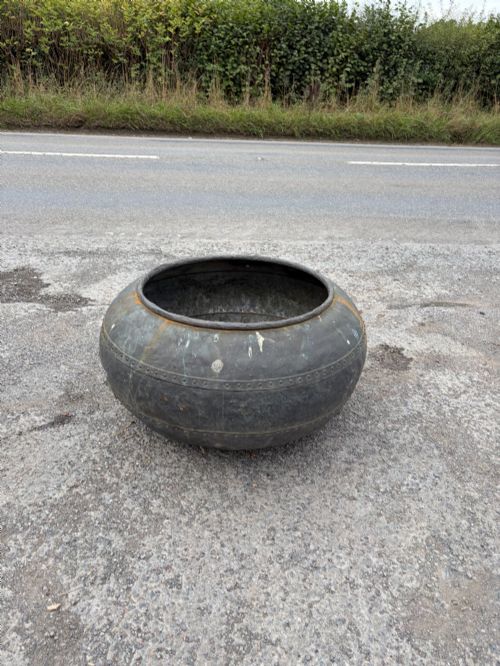
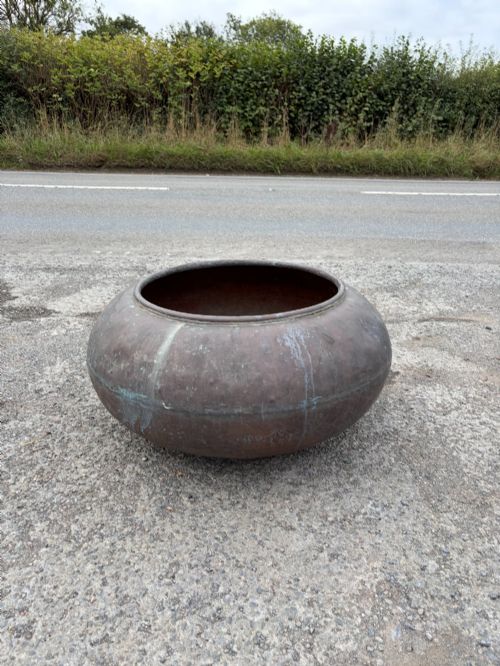
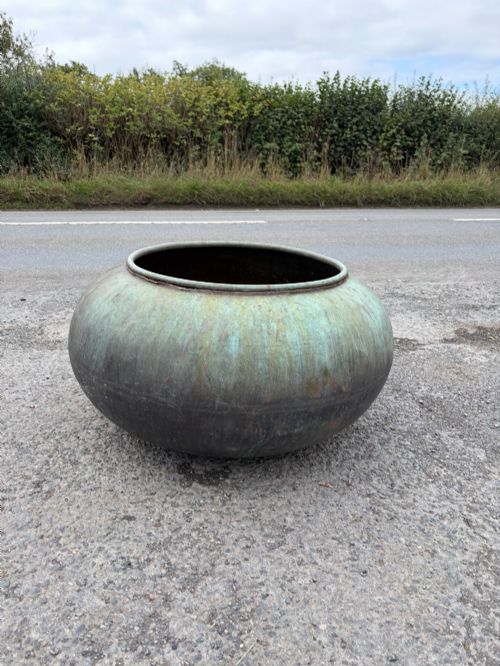
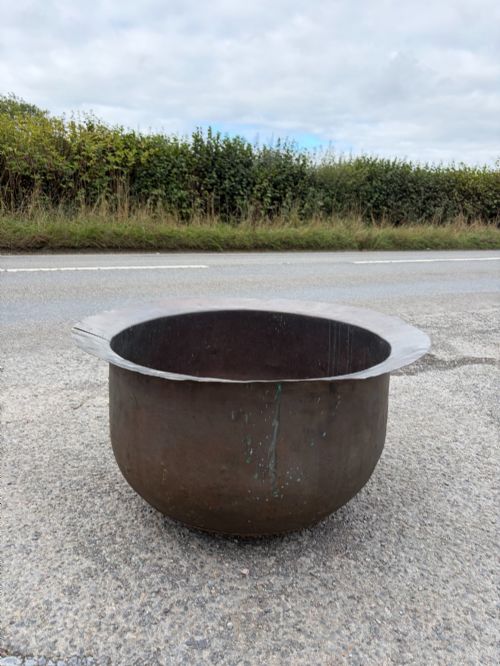
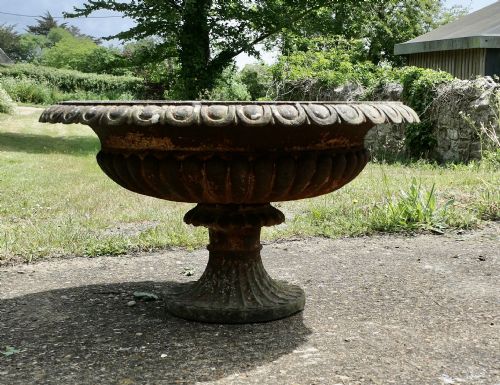
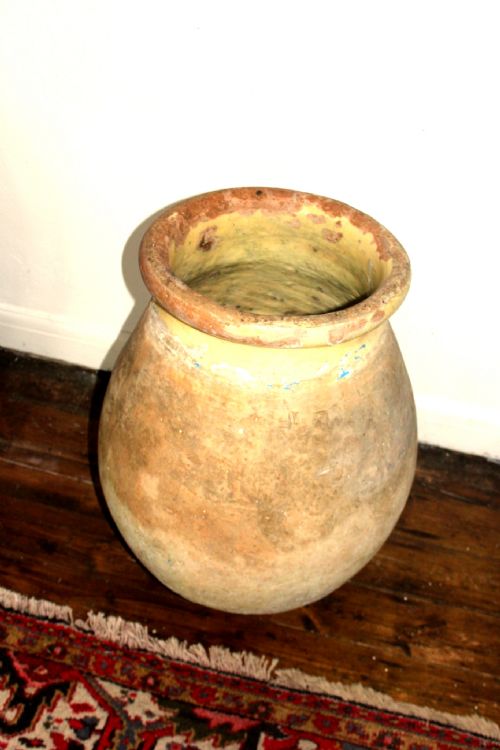
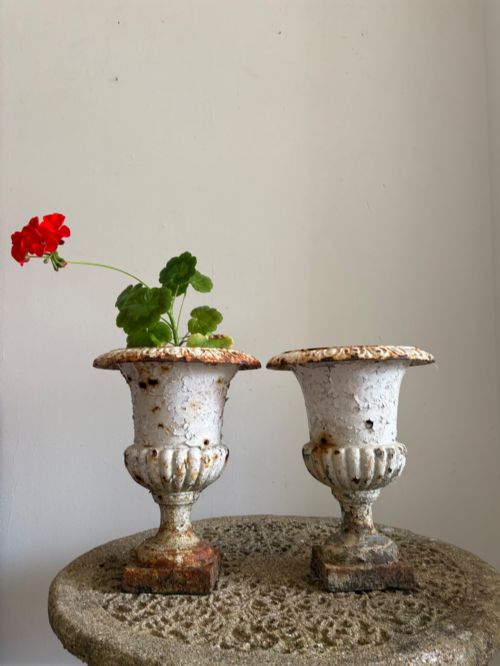
You are most likely to meet heavy cast iron urns, robust copper pots, and porous terracotta vessels across these listings. These forms reflect both practical agricultural use and the decorative ambitions of nineteenth-century gardens and conservatory spaces.
How They Were Made
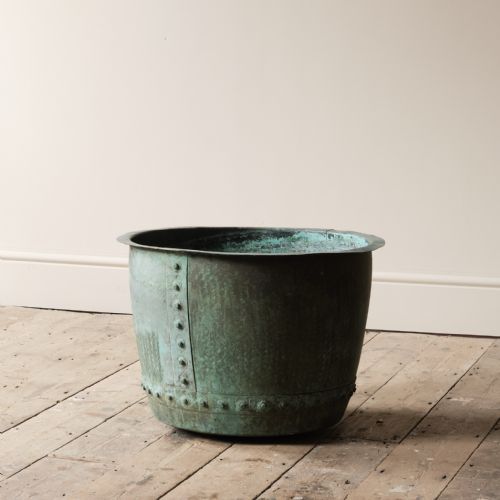
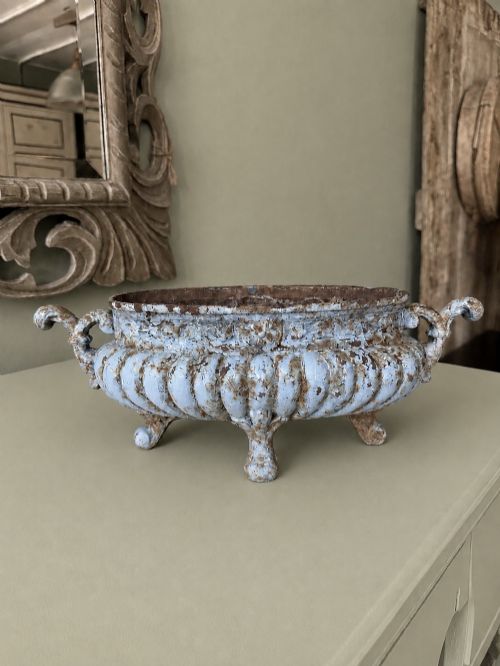
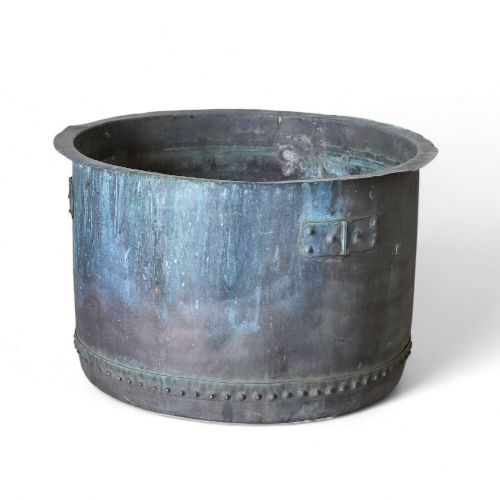
Metals like copper, cast iron, and wrought iron were shaped through hand-riveting, casting, and structural strapwork to form durable planters and cauldrons. Copper vessels often utilise visible hand-riveting, whilst cast iron pieces were poured into moulds to achieve classical urn profiles.
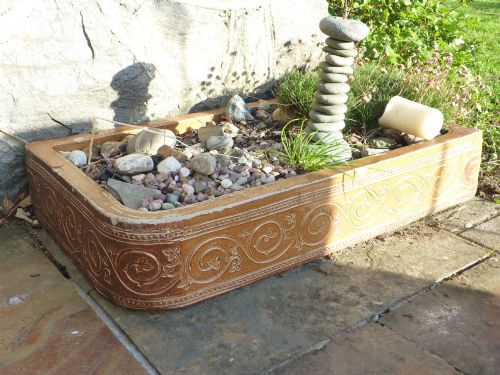
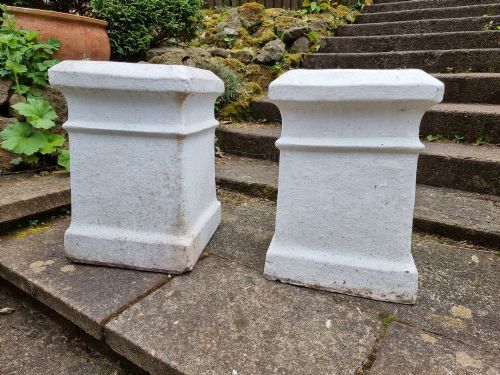
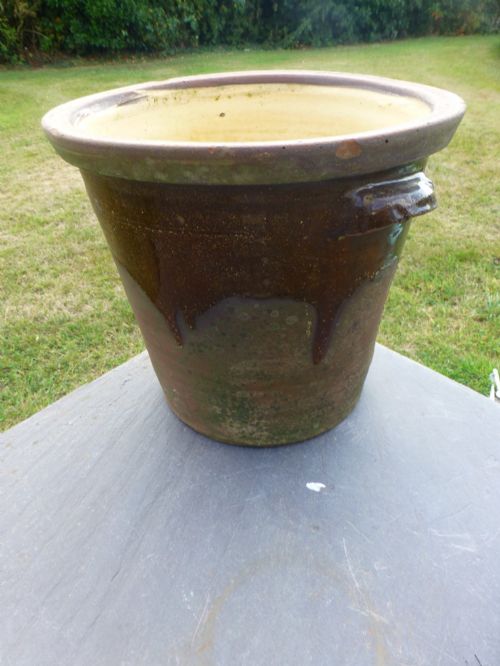
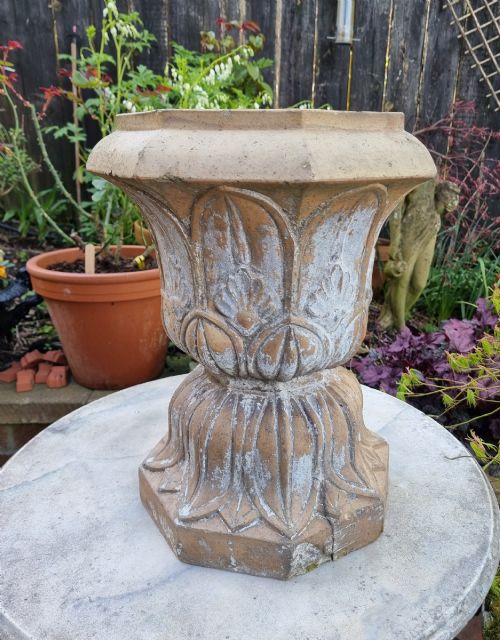
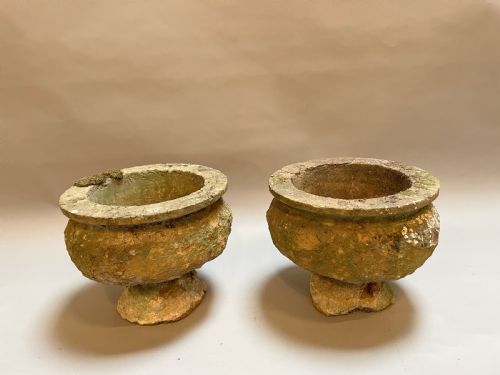
Terracotta, salt-glazed stoneware, and soft stone were fired or carved to create porous vessels suitable for flora. Faux bois ceramic techniques and naturalistic pottery detailing further demonstrate the period's skill in mimicking organic woodland textures.
Materials span copper, terracotta, cast iron, iron, paint, wrought iron, salt-glazed stoneware, and ceramic.
What Varies in Quality
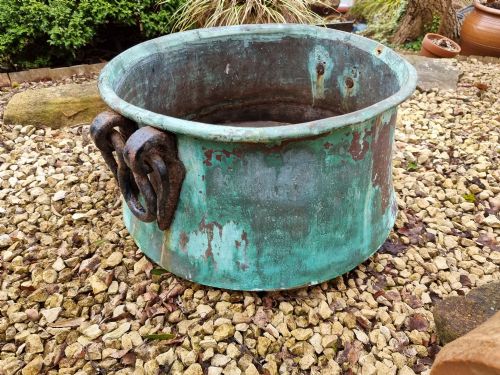
The distinction between standard utility items and superior examples lies in the integrity of the casting, the depth of patination, and the retention of original surface treatments like paint or verdigris. Metal pots show refinement in their hand-riveted seams and the weight of their wrought iron handles.
Ceramic and terracotta vessels differ in the crispness of moulded details and the natural weathering acquired over decades. Superior pieces maintain their structural stability despite extensive weathering and age.
Guichard Carriès
The 19th Century Garden Pot Glossary
- Patina
- The surface appearance altered by age, oxidation, and weathering. A rich natural patina develops on copper and bronze over decades of exposure.
- Faux Bois
- An artistic imitation of wood grain executed in stone, cement, or ceramic. This technique gained popularity for garden planters during the nineteenth century.
- Jardiniere
- An ornamental pot or stand for holding plants or flowers. These are frequently manufactured from cast iron, ceramic, or copper.
- Verdigris
- A green or bluish deposit formed on copper, brass, or bronze surfaces through atmospheric oxidation. It indicates long-term exposure to the elements.
- Salt-Glazed Stoneware
- Pottery fired at high temperatures with common salt introduced into the kiln, producing a durable, glossy surface with an orange-peel texture.
19th Century Garden Pot: Frequently Asked Questions
How do I care for a vintage metal planter?
Vintage metal vessels, including copper and cast iron, benefit from being emptied of damp soil during freezing winter months to prevent structural splitting. Applying a light coat of neutral oil can help preserve iron surfaces from active corrosion.
Allow the natural verdigris and patination to develop undisturbed, as aggressive cleaning strips the protective outer layers accumulated over a century. Position them on bricks or feet to ensure proper drainage and prevent prolonged contact with damp ground.
Are terracotta garden pots frost-proof?
Nineteenth-century terracotta and pottery vessels are generally porous and absorb moisture from wet soil. When temperatures drop below freezing, this absorbed water expands and can crack the historic clay body.
Protect fragile terracotta and salt-glazed items by moving them into a greenhouse or shed for the winter months. Alternatively, insulate the exterior and elevate the base to maintain clear drainage channels.
Can I use these antique pots indoors?
Many of these historical vessels, particularly copper log bins, brass watering cans, and smaller jardinieres, transition easily into interior living spaces. They function well as decorative cachepots or storage containers for firewood.
Ensure you place a suitable tray or liner inside unglazed terracotta or riveted metal pots to protect indoor flooring from residual moisture. The aged surfaces bring considerable textural contrast to contemporary interior schemes.