




Terracotta Garden Vessel
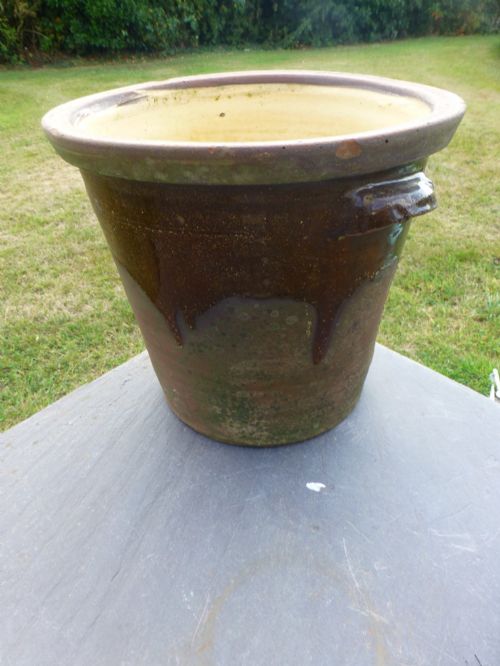
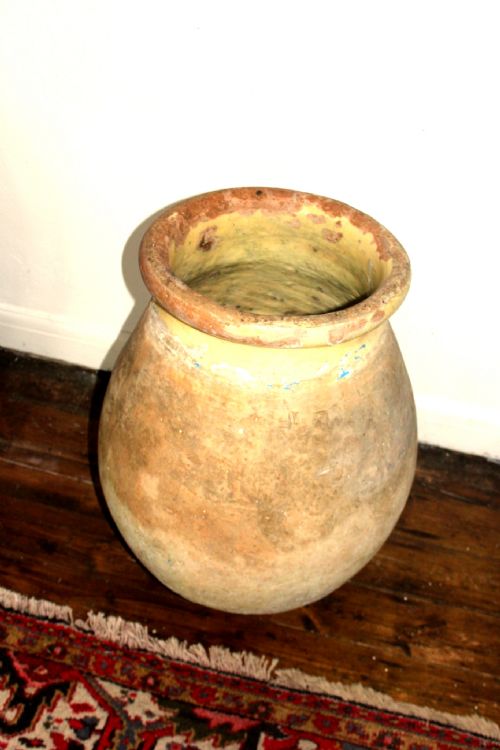
A terracotta garden vessel brings earthy warmth to a terrace, whether you choose a French Biot jar or a utilitarian dairy salting crock.
Terracotta Garden Vessel
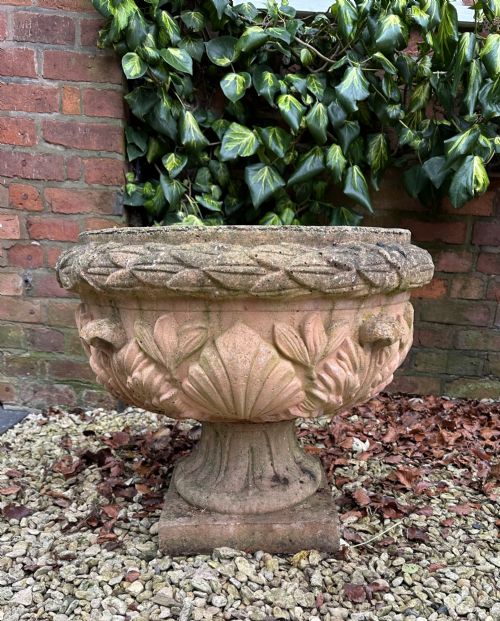
When you search for terracotta garden vessel, you are looking at robust earthenware containers designed for practical use in gardens, dairies, and courtyards. These functional objects range from large olive jars and oil pots to tree planter bases and dairy salting crocks.
The versions you are most likely to meet on this page span the nineteenth and early twentieth centuries. They originate from British, French, Portuguese, and Turkish traditions, often displaying the robust proportions of Mediterranean vernacular design.
Many of these vessels arrive with utilitarian origins rather than ornamental ones, having served as storage for oil, wine, or salted produce before finding a second life outdoors. Their forms remain honest and unpretentious, shaped by the demands of agricultural life.
How they were made
Potters shaped these heavy pieces from local clay and earthenware, throwing them on large wheels or building them by hand to withstand considerable weight and pressure. The resulting body is porous and breathable, which helps regulate moisture for plant roots over decades of seasonal weathering.
Surface treatments vary from natural unglazed terracotta to lime wash and selective glaze applications. Some vessels display the marks of wrought iron reinforcement bands, added historically to secure heavy rims and bodies during transit across land and sea.
Materials documented across the inventory include earthenware, stoneware, lime wash, and wrought iron.
What varies in quality
The distinction between ordinary and exceptional examples lies in the character of the clay body and the authenticity of the weathering. Superior vessels show a rich, varied patina developed through decades of exposure, alongside strong throwing lines and balanced proportions.
Makers' marks, specific regional potting characteristics, and the retention of original stands or iron fittings elevate certain pieces above standard utility items. The integration of historical repairs or natural lime wash also distinguishes pots with genuine working provenance from later decorative reproductions.
The Terracotta Garden Vessel Glossary
- Terracotta
- A porous, unglazed or lightly glazed baked earthenware clay fired at moderate temperatures. It typically develops a warm reddish-brown colour that patinates gracefully outdoors.
- Amphora
- A tall two-handled jar with a narrow neck, historically used for storing and transporting liquids such as oil or wine. These large vessels now serve primarily as architectural garden ornaments.
- Salting crock
- A heavy ceramic container originally utilised for preserving dairy produce or meats in brine. In a garden setting, they function well as sturdy, deep planters.
- Patina
- The surface alteration and mellowing acquired by an object over time through exposure to weather, handling, and use. A genuine aged patina is valued for its depth and visual character.
Terracotta Garden Vessel: Frequently Asked Questions
Can I leave my terracotta vessel outside in winter?
Most durable earthenware and stoneware pots withstand winter conditions if they are positioned on feet or pot tiles to prevent sitting water from freezing at the base. Raising the vessel stops the expansion of trapped ice from cracking the heavy clay body.
For particularly delicate or unglazed pieces, storing them in a shed or wrapping them during hard frosts offers additional protection. Ensuring adequate drainage inside the pot is the single most important step for year-round survival.
How do I clean an old terracotta pot?
Gently brushing the surface with a soft bristle brush and clean water removes loose dirt and organic debris without damaging the historic skin. Avoid harsh chemical cleaners or pressure washers, which strip away the valued patination and erode the soft earthenware.
Allowing the vessel to dry naturally reveals the subtle tones of the clay and any remaining lime wash. A gentle approach preserves the authentic character accumulated over decades of garden use.
What is a Biot jar?
A Biot jar is a traditional heavy terracotta storage vessel originating from the French village of Biot in Provence. These pots were historically used for storing olive oil and feature thick walls and distinctive forms.
Authentic examples often carry maker stamps and display an aged surface patina resulting from centuries of regional agricultural use. Their substantial scale makes them focal points in contemporary garden design.
How do I date an antique terracotta garden pot?
Dating relies on observing manufacturing marks, the composition of the clay body, and the specific potting style characteristic of periods like the Victorian era or the late nineteenth century. Tool marks left by the potter and variations in kiln firing techniques provide further clues to an object's age.
Comparing the form and provenance with documented examples from workshops helps narrow down the decade of production. Documentation or direct association with known potteries such as Compton adds precise historical context.