


Wrought Iron Stand
A wrought iron stand brings the strength of the blacksmith's forge and the utility of past centuries directly into modern interior and garden spaces.
Wrought Iron Stand
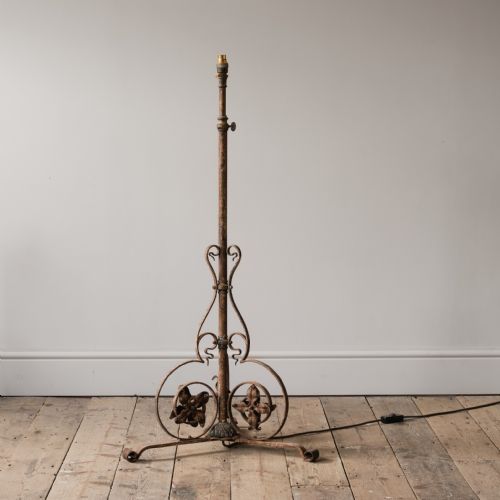
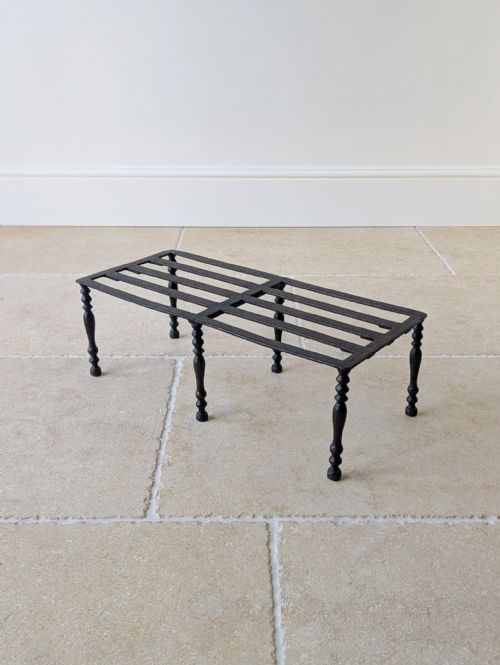
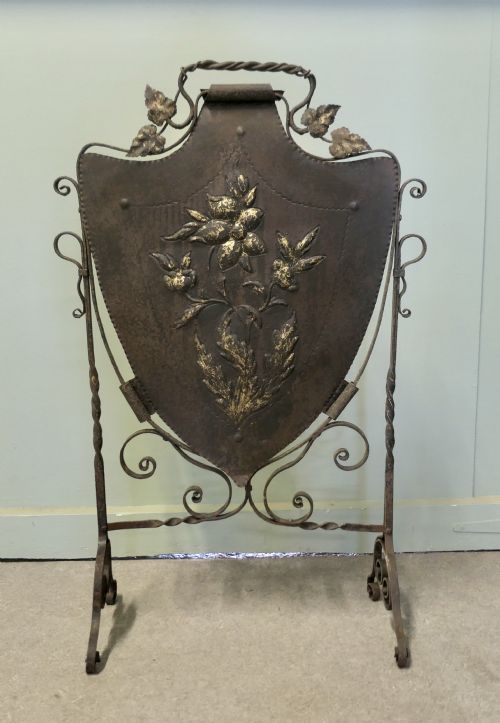
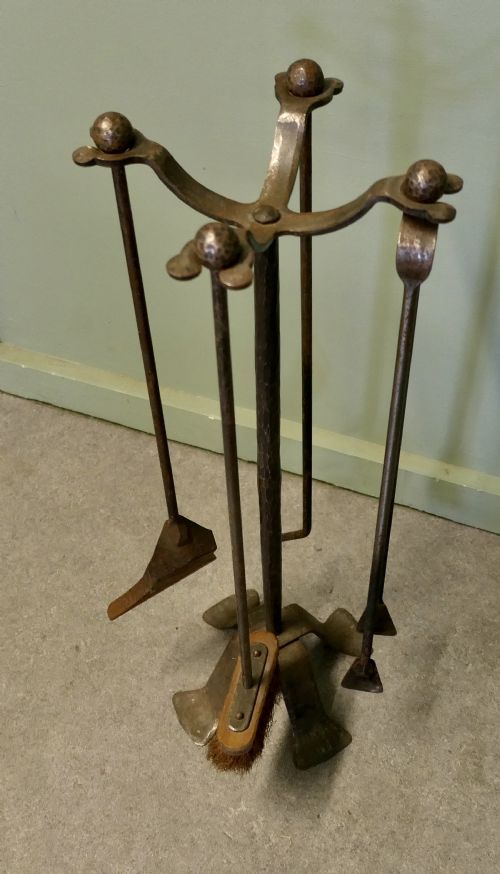
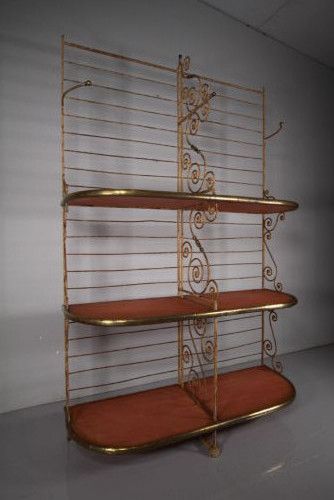
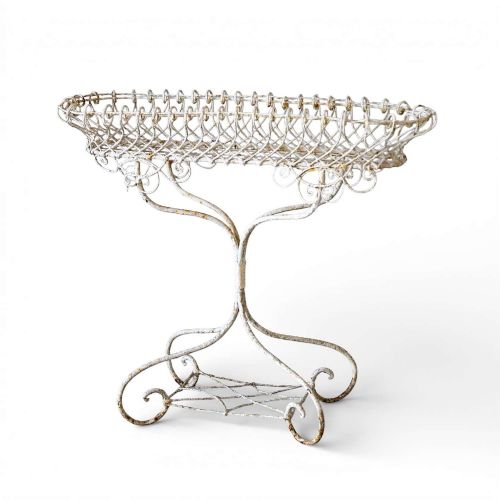
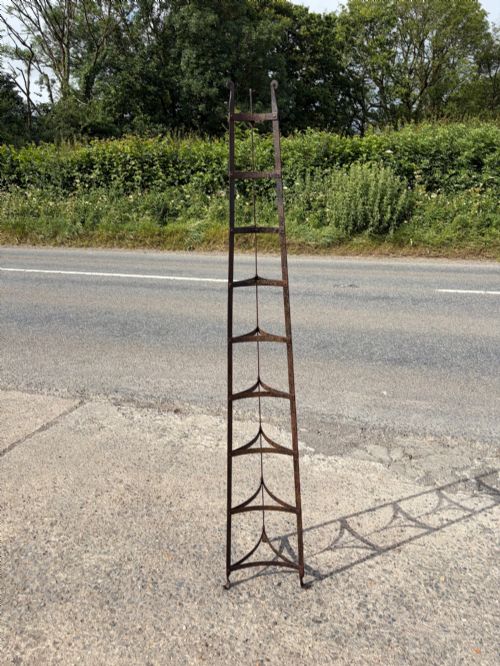
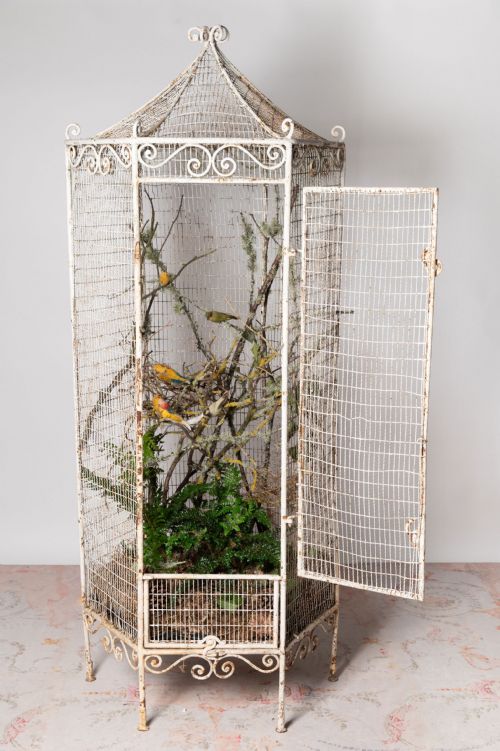
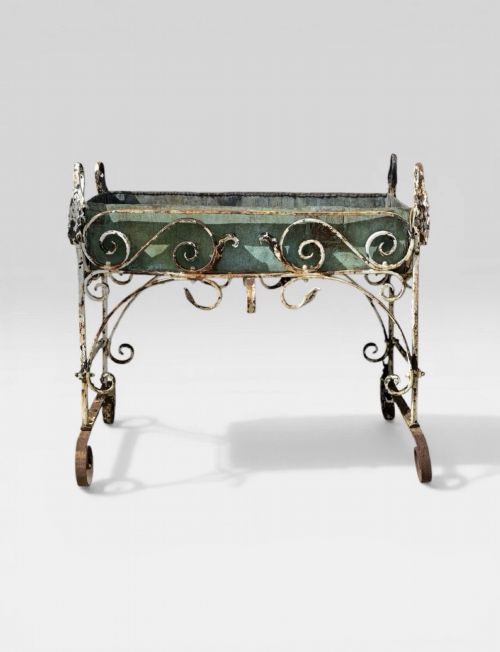
When searching for a wrought iron stand, collectors encounter a diverse group of utilitarian and decorative objects forged or fabricated from metal. These range from heavy nineteenth-century plant stands and multi-tiered kitchen pan racks to adjustable floor lamps, stick stands, and hearth accessories.
The versions most frequently met on this page originate from the Victorian and later nineteenth-century periods, often reflecting domestic needs in country houses, gardens, and conservatories. Many pieces combine structural ironwork with contrasting elements of brass, copper, or turned wood.
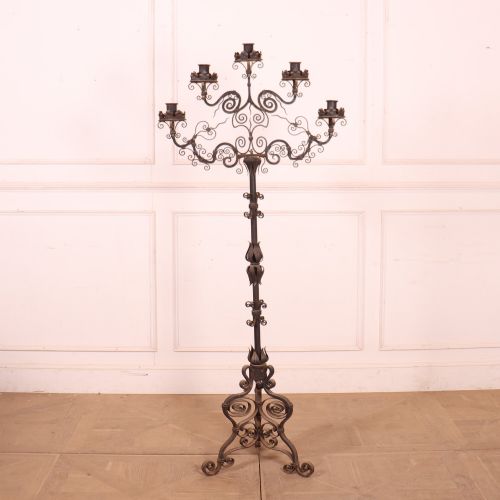
From architectural candleholders to sturdy baker's racks and garden jardinieres, these pieces serve as both functional furniture and sculptural statements. Their enduring appeal lies in the visible hand of the maker and the patination accumulated over generations of use.
How They Were Made
The primary material underpinning these items is wrought iron, manipulated by heating in a forge and shaping with hammers and anvils. Artisans employed traditional blacksmithing techniques such as hot-riveting, twisting, and scrollwork to build rigid yet elegant frameworks.
Many items incorporate supplementary metals like brass and copper, utilised for drip pans, candle sockets, or decorative mounts, alongside protective layers of historic paint or natural verdigris. Structural components sometimes integrate wood, such as turned fruitwood trunks or slatted pine shelves.
Joinery on these stands relies heavily on mechanical fastening, collars, and forge-welding rather than modern adhesives. This honest construction ensures the survival of complex forms like telescopic lamp standards and multi-tiered plant racks.
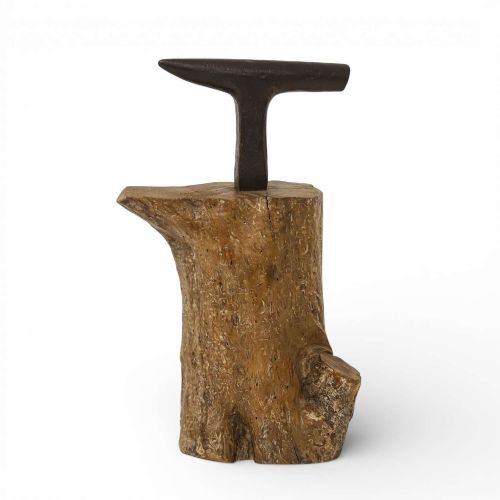
Keep an eye out for anvil-mounted farrier pieces and carved skulls of the damned hiding amongst the utilitarian pan racks.
What Varies in Quality
Quality in these metal objects depends largely on the fluidity of the forging and the ambition of the design. Master blacksmiths achieved graceful, balanced scrollwork and precise joinery, whereas lesser pieces display rigid proportions and clumsy assembly.
The integrity of the surface patination significantly alters the character of a piece. Original paint surfaces, unpolished historic scale, and natural weathering outlive over-cleaned or aggressively stripped metalwork, which loses its historical depth.
Architectural scale and clever engineering elevate certain utilitarian items into exceptional sculptural works. Adjustable mechanisms on lamps and complex tiering on plant stands demonstrate the Maker's ingenuity and command of the medium.
The Wrought Iron Stand Glossary
- Wrought iron
- A tough, malleable form of iron containing slag inclusions that can be heated and hammered into complex shapes. This material resists snapping under stress and develops a characteristic fibrous texture when fractured.
- Pricket
- A sharp metal spike on a candlestick or altar stand designed to impale the base of a candle. Such spikes appear frequently on older ecclesiastical and domestic lighting pieces.
- Rushlight
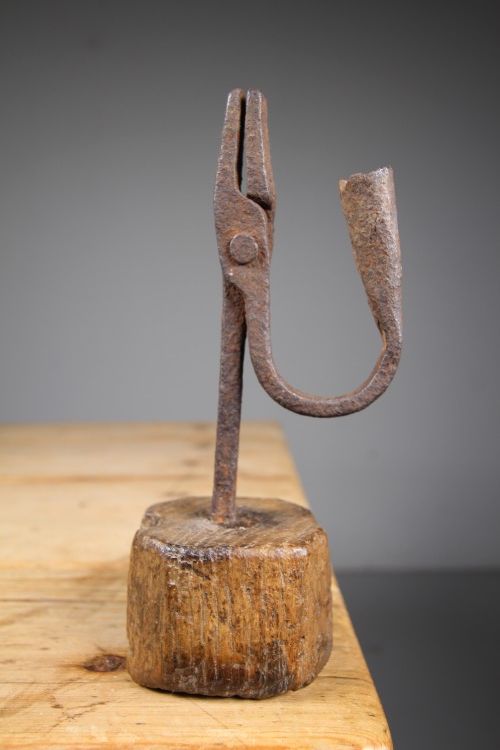
- A simple lighting device formed from a split rush dipped in animal fat and held tightly in a pivoted metal nip. They represent some of the most primitive forms of portable domestic illumination.
- Jardiniere
- A large ornamental pot or stand designed to hold growing plants or flowers. In metalwork, these often feature slatted baskets or protective liners of copper or zinc.
- Torchere
- A tall stand or pedestal supporting a candle, lamp, or light fixture. These pieces elevate illumination sources to project light across a room.
Wrought Iron Stand: Frequently Asked Questions
How are antique plant stands constructed?
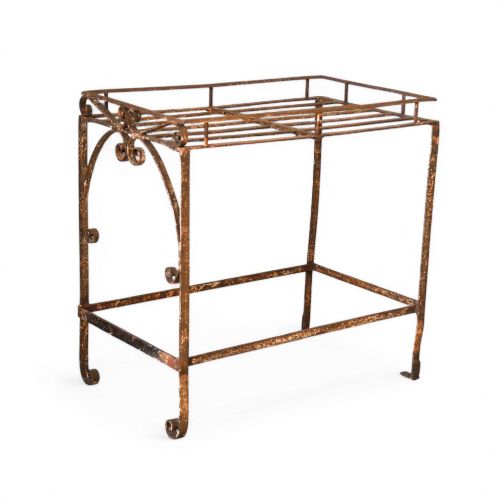
These garden and conservatory pieces typically combine hand-forged iron frames with slatted metal or wooden tiers. Makers engineered them to support heavy pots while remaining stable on uneven garden flagstones or conservatory floors.
Many examples feature tiered or semi-circular graduated shelving designed to maximise sunlight for plants. The integration of scrollwork provides both decorative charm and essential structural bracing.
What is a rushlight holder used for?
A rushlight holder served as an economical source of domestic lighting in rural homes before cheap candles and oil lamps became widely available. The device used a spring-action metal jaw to grip a dried rush soaked in household grease.
Often mounted on heavy iron or turned wooden bases, these portable stands sat on tables or floors to provide modest illumination for evening work.
How do I care for antique ironwork?
Preserving these objects involves maintaining a stable indoor environment and protecting the metal from excessive moisture. Gentle dusting and occasional applications of microcrystalline wax help safeguard historic paint and natural dark patination.
Harsh chemical cleaners and abrasive scouring pads must be avoided to prevent stripping the microscopic layers of corrosion that form authentic antique surfaces.
What distinguishes Arts and Crafts ironwork?
Arts and Crafts pieces emphasise honest construction, visible hammer marks, and functional utility over excessive ornamentation. Blacksmiths working in this movement drew inspiration from medieval forms and vernacular traditions.
These items frequently incorporate naturalistic motifs like leaves and tendrils, alongside contrasting metals such as copper riveted directly to the iron structure.