


Victorian Terracotta Vase
A victorian terracotta vase brings earthy texture and classical warmth to a room, offering the weathered charm of fired clay from the nineteenth century.
Victorian Terracotta Vase
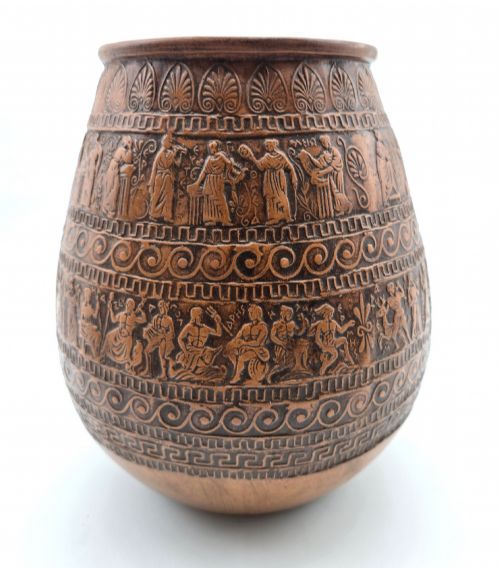
A victorian terracotta vase encompasses fired clay vessels produced during the nineteenth century, including classical garden pots, bottle vases, and baluster shapes. These pieces reflect the period's fascination with antiquity, domestic horticulture, and natural materials.
The selections encountered here range from tall terrace urns designed for outdoor display to compact bottle vases shaped for interior display. Pieces appear from the eighteen-eighties alongside earlier nineteenth-century examples influenced by classical revival tastes.
Materials and Construction
Makers utilised natural earthenware and fired terracotta, shaping the porous clay by hand or mould before kiln firing. This process produced the characteristic warm red or buff body associated with nineteenth-century garden and decorative pots.
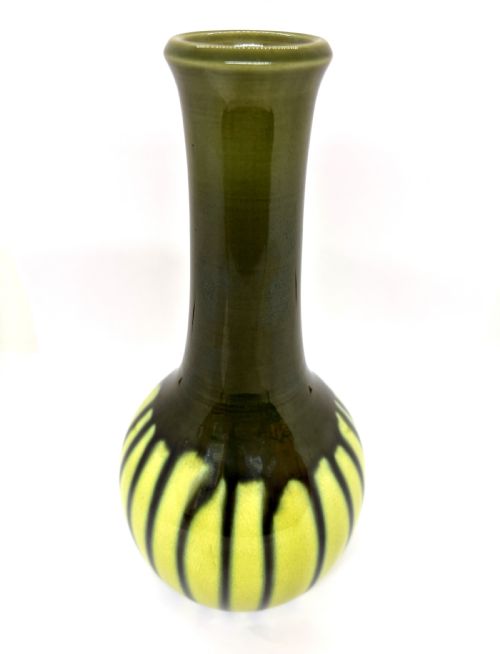
Certain examples incorporate surface glazes or slip decoration over the terracotta body, while others rely entirely on the tactile grain and natural colour of the fired earth.
Listings feature nineteenth-century dates, Victorian periods, and earthenware terracotta materials alongside glazed ceramics.
Quality and Execution
Quality in a victorian terracotta vase rests on the crispness of moulded ornament and the proportional balance of the form. Finer pieces display clean profile lines and well-defined decorative relief without distortion from the kiln.
The integrity of the fired body and the presence of weathered patination distinguish superior examples. Age-related weathering enhances certain garden urns, provided the structural strength of the earthenware remains intact.
Watcombe Terracotta Pottery
The Victorian Terracotta Vase Glossary
- Terracotta
- A porous, fired red earthenware clay used extensively for sculptural vessels and garden pots. The material develops a distinct matte surface texture.
- Baluster
- A vase form characterised by a swelling lower body that tapers towards a narrow neck. This classic silhouette appears frequently in nineteenth-century decorative urns.
- Earthenware
- Pottery fired at lower temperatures that remains porous unless glazed. Nineteenth-century utility and garden wares often utilised this accessible ceramic body.
- Patina
- The surface appearance acquired through age, handling, and environmental exposure. On terracotta, this manifests as subtle weathering and softened edges.
Victorian Terracotta Vase: Frequently Asked Questions
How were these terracotta vases used originally?
Nineteenth-century terracotta vessels served both functional and decorative roles, acting as planters for conservatories, urns for terraces, or interior display pieces on mantelpieces and pedestals.
Larger scaled pieces were built to withstand outdoor elements in gardens, while smaller bottle and flask forms were designed for domestic display with cut flowers or foliage.
Can a victorian terracotta vase stay outdoors?
Many nineteenth-century terracotta pieces were manufactured specifically for garden and terrace use, utilising durable fired earth designed to endure changing weather conditions.
However, porous earthenware can absorb moisture that expands during freezing temperatures, making it wise to protect delicate or highly decorative pieces during severe winter frosts.
How do you clean an antique terracotta vase?
Cleaning should be approached gently to preserve the historic surface and any accumulated patina. Soft brushing removes dry dust and surface soil effectively.
Avoid harsh chemical detergents or soaking porous terracotta, as moisture penetrates the unglazed earthenware body and can cause salts to leach onto the surface.
What defines the nineteenth-century terracotta style?
The aesthetic draws heavily from classical antiquity, featuring shapes inspired by Greek and Roman pottery alongside utilitarian domestic forms. Manufacturers combined traditional hand-forming with industrial moulding techniques.
This approach produced decorative vessels that reflected Victorian interests in archaeology, natural history, and classical revival design.