
Antique Gold Choker
An antique gold choker sits high on the neck, bringing together pearls, precious stones and precious metal in a compact, historic form.
Antique Gold Choker
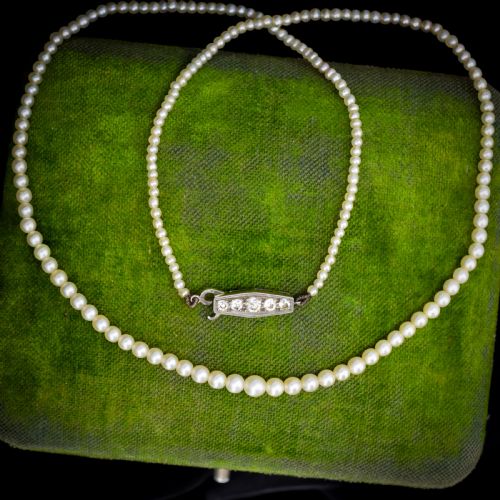
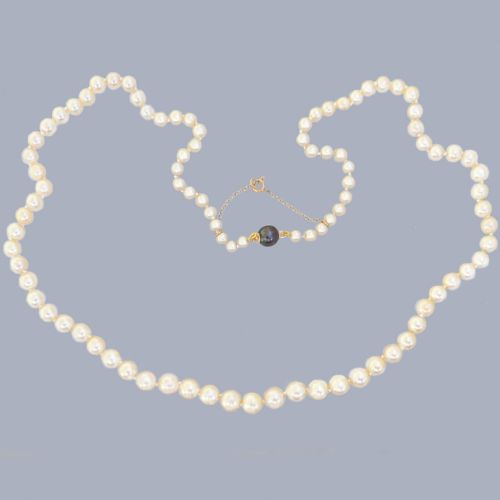
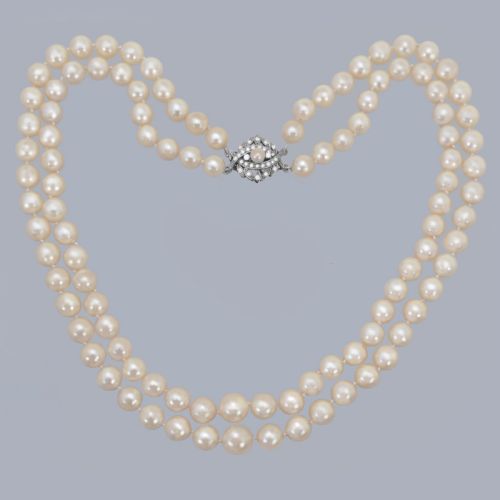
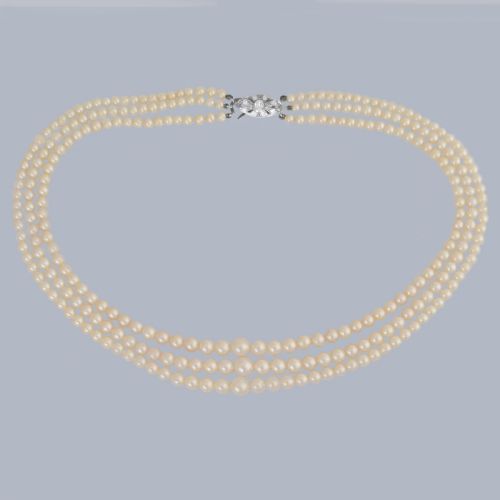
When you search for an antique gold choker, you encounter a distinct group of short necklaces designed to sit closely against the throat. The pieces on this page span the Victorian, Edwardian, Art Deco and Mid-Century periods, running from the late nineteenth century through to the 1960s.
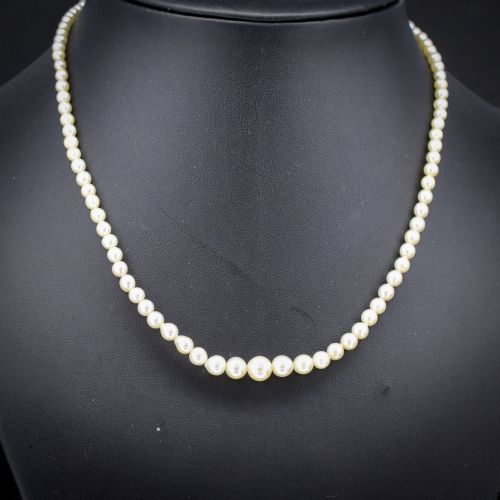
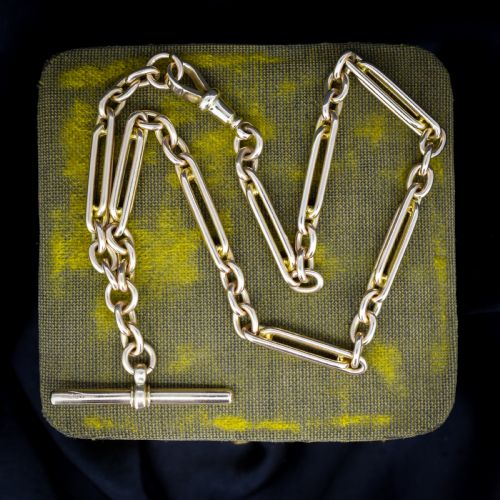
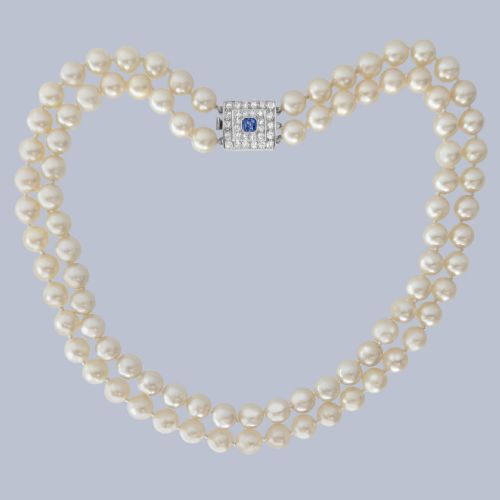
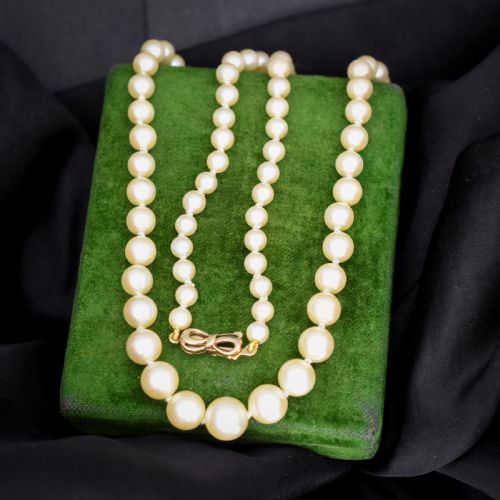
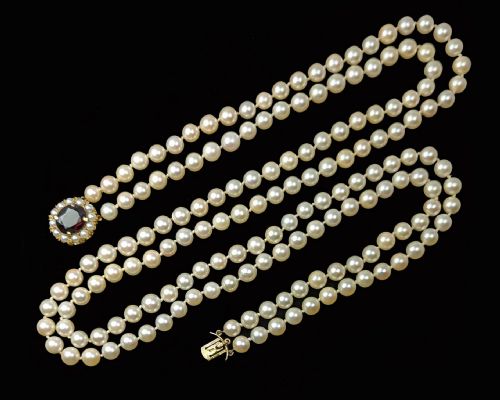
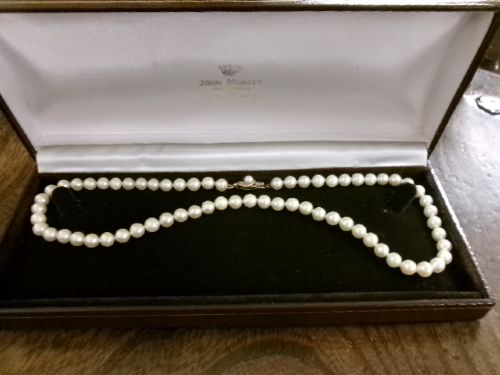
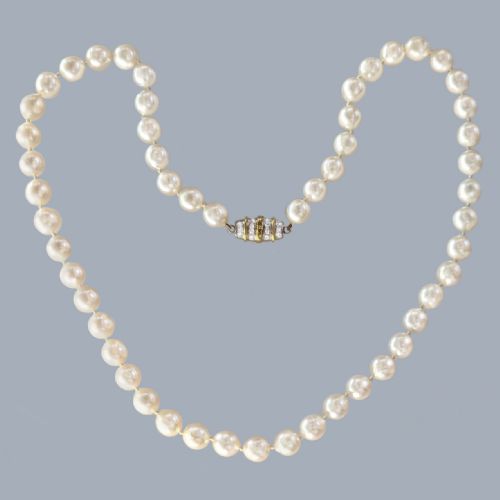
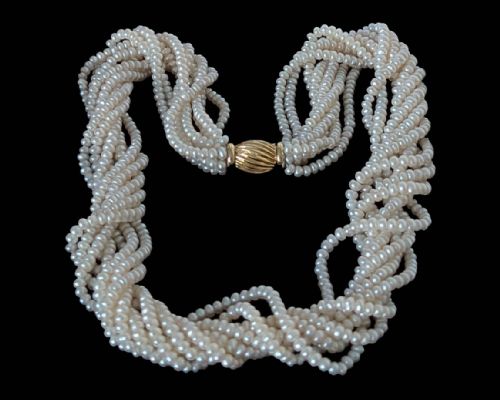
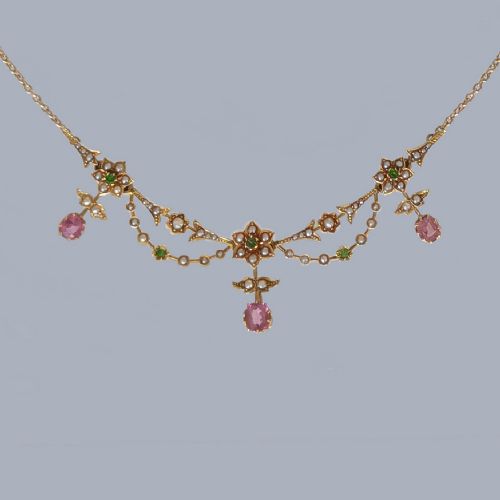
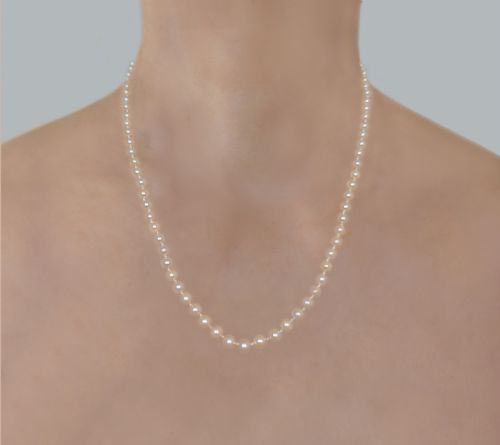
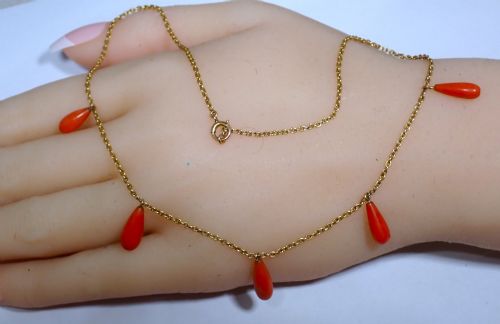
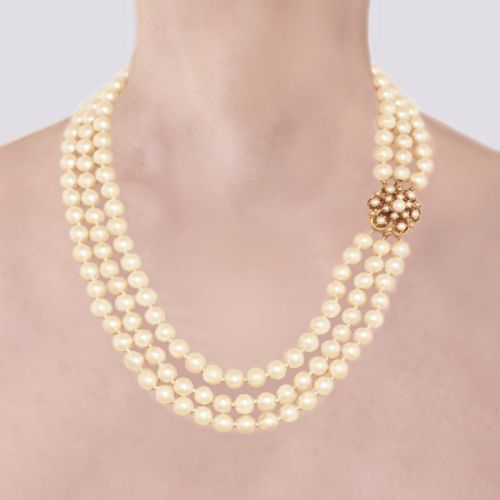
The most common forms take the shape of pearl strands fitted with ornate metal clasps, alongside fringe necklaces, link chains and gemstone-set pieces. Many utilise convertible designs that function as both necklaces and brooches, or shorter watch chains adapted to be worn around the neck.
How they were made
Makers constructed these items using gold in various purities, notably 9ct, 10ct, 14ct, 15ct and 18ct yellow, white and rose gold, often combined with platinum or silver settings. Gemstones such as diamonds, sapphires, rubies, emeralds, amethyst, turquoise and garnet are integrated alongside natural saltwater, freshwater and cultured pearls.
Construction techniques include hand-strung pearl strands secured with diamond-set clasps, delicate gold wirework in fringe formations, and structured links such as trombone and curb patterns. Many clasps doubled as functional brooches, demonstrating dual-purpose craftsmanship typical of the Victorian and Edwardian eras.
Several items double as walking-stick brooches or watch chains, proving that historic jewellers loved an adaptable accessory.
What varies in quality
Quality in these pieces rests upon the origin and uniformity of the pearls, the cut and clarity of the accompanying diamonds and gemstones, and the complexity of the gold mount. Natural saltwater pearls command greater attention than cultured varieties, while certified stones provide documentation of their specific characteristics.
The sophistication of the metalwork also divides the range, distinguishing simple stamped links from hand-articulated fringe designs and platinum-topped gold settings. Intricate clasps set with rose-cut or old-cut diamonds indicate higher workshop input than standard barrel or lock fastenings.
Chaumet
The Antique Gold Choker Glossary
- Choker
- A short necklace designed to fit closely around the neck, typically measuring between fourteen and sixteen inches. This form gained prominence during the Victorian period and returned in later twentieth-century designs.
- Albert chain
- A heavy link chain originally designed to secure a pocket watch to a waistcoat or buttonhole. These sturdy gold chains are frequently repurposed to wear as short necklaces.
- Fringe necklace
- A necklace featuring vertical drops of gemstones or pearls suspended from a central chain or collar. This style appears frequently in Edwardian and Art Deco jewellery.
- Cultured pearl
- A pearl formed by the introduction of an irritant into an oyster by human intervention, distinct from natural pearls formed without human assistance. These appear widely in twentieth-century pieces.
- Rose-cut diamond
- An antique diamond cut featuring a flat base and a domed crown faceted with triangular shapes. This cut predates the modern brilliant cut and appears on many Edwardian and Art Deco clasps.
Antique Gold Choker: Frequently Asked Questions
How do I wear an antique gold choker?
These shorter necklaces are designed to sit directly against the collarbone or throat, making them well-suited to open necklines. They work effectively on their own as a focal point or layered with slightly longer chains.
Because many period pieces feature delicate pearl strands or antique clasps, avoid wearing them during heavy physical activity. Storing them flat protects the silk threading used in traditional pearl stringing.
How can I tell a Victorian choker from a 1920s piece?
Victorian examples often feature heavier yellow or rose gold, seed pearls, floral motifs, and convertible brooch fittings. They tend to have a warmer, more ornate aesthetic compared to later iterations.
Art Deco pieces from the 1920s introduce white gold and platinum, geometric lines, and cultured saltwater pearls. The settings are lighter in appearance, often focusing attention on the contrast between white metal and dark gemstones.
What is an Albert chain choker?
An Albert chain is a robust link chain, such as a trombone or curb link, originally made in 9ct or 15ct gold for pocket watches. When adapted as a choker, it provides a heavier, purely metallic look without gemstones.
These chains often retain their original T-bar or swivel fastenings, which serve as decorative elements at the front or side of the neck. Their solid gold construction makes them durable for daily wear.
Are the pearls natural or cultured?
The pearls found in these pieces vary depending on the period of manufacture. Earlier Victorian and Edwardian examples frequently utilise natural saltwater pearls, sometimes accompanied by certification.
Mid-century and later twentieth-century items generally incorporate cultured pearls. Listing details and independent laboratory certificates often specify the origin and type of pearls used.