

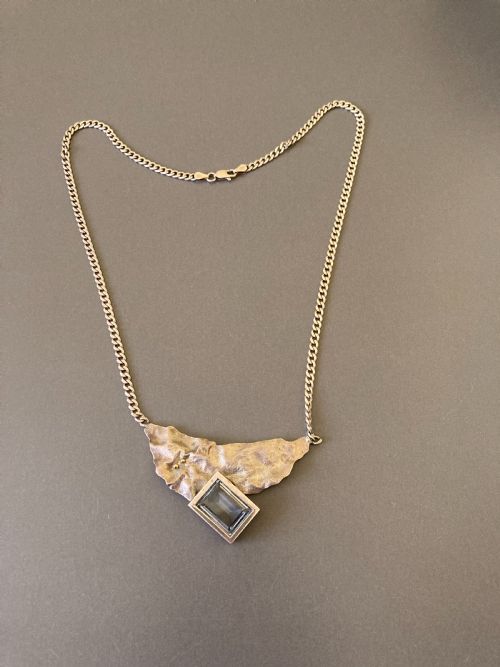


Antique Topaz Jewellery
Antique topaz jewellery brings warmth and colour to the hand and neckline, capturing the enduring appeal of stones set in gold and silver.
Antique Topaz Jewellery
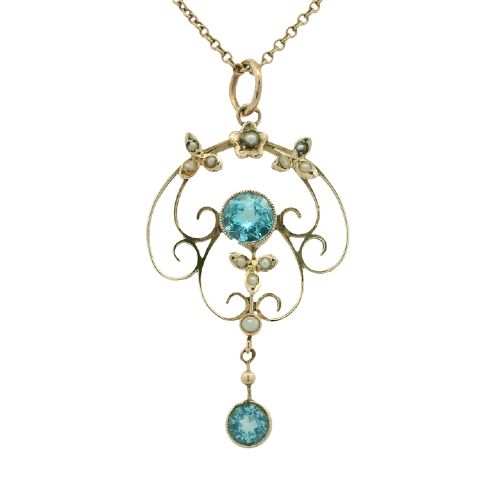
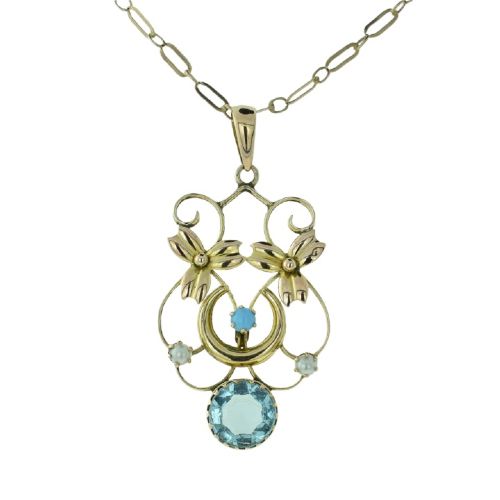
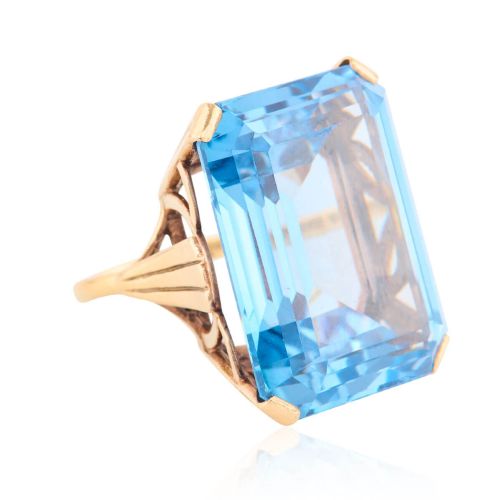
Antique topaz jewellery encompasses rings, brooches, pendants, and necklaces spanning Georgian, Victorian, Edwardian, and Art Deco periods. Buyers seeking antique topaz jewellery encounter pieces fashioned from yellow gold, rose gold, silver, and platinum.
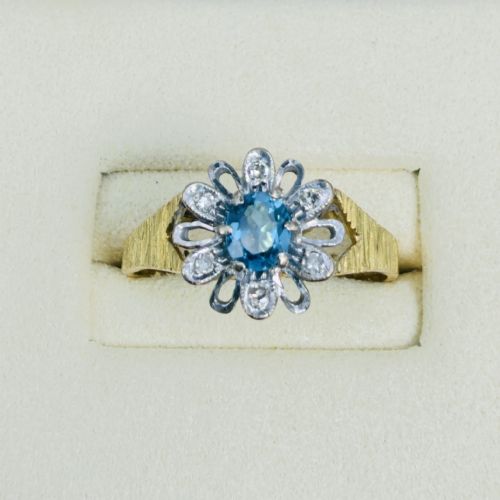
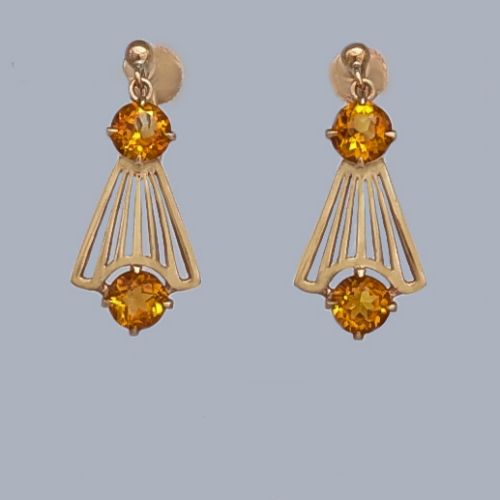
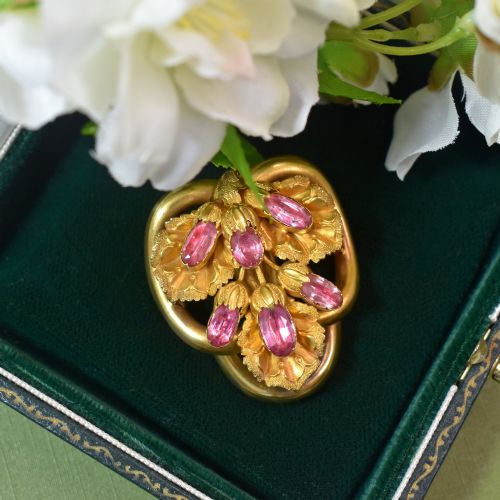
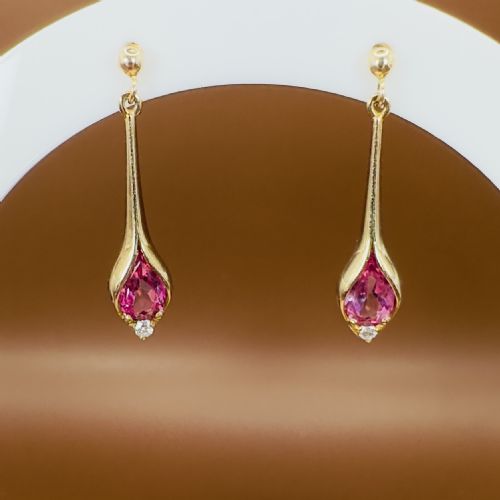
The selections on this page feature stones paired with diamonds, pearls, turquoise, and chrysoberyl. Forms range from floral brooches and spinner fobs to drop earrings and cluster rings.
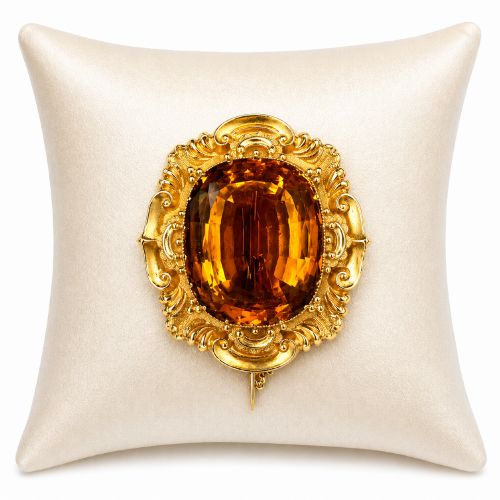
The pieces represent diverse stylistic eras including Mid-Century, Victorian Revival, and French Tank designs. These items demonstrate how jewellers across different centuries set faceted and oval stones in precious metals.
How they were made
Makers utilised gold in various carats alongside silver and platinum to securely mount topaz and accompanying gems. Stones are frequently faceted to catch the light, whether held in cluster settings or secured within drop pendants.
Techniques combine traditional metalworking with delicate additions like seed pearls, foil backings behind pink topaz, and diamond accents. Jewellers structured rings, brooches, and fob seals to highlight the natural tones of the central stones.
Spinner fobs let restless fingers turn a heavy faceted citrine over and over, bridging the gap between practical seal and tactile toy.
What varies in quality
Quality rests upon the depth of the topaz colour and the precision of the metalwork in settings such as platinum and gold. Finer examples display harmonious combinations of supporting gems like old cut diamonds and natural pearls.
The distinction between standard and superior pieces lies in the integrity of the original mountings and the clarity of the faceted stones. Masterful construction ensures that delicate elements like floral clusters and dangling drops remain secure.
Carl Bucherer
The Antique Topaz Jewellery Glossary
- Foil-backed
- A technique where a thin sheet of coloured metallic foil is placed behind a gemstone to enhance its brilliance and hue. This method is common in Georgian pieces.
- Spinner fob
- A rotating seal or ornament mounted within a swivel ring, often set with citrine or quartz. These were commonly attached to pocket watch chains in the nineteenth and early twentieth centuries.
- Cluster ring
- A ring featuring a central gemstone surrounded by a ring of smaller stones, typically diamonds or pearls. This arrangement maximises overall sparkle.
- Chrysoberyl
- A hard, durable gemstone with a yellowish-green hue, occasionally found alongside topaz in antique brooches. It prized for its unusual clarity and lustre.
- Old cut
- A diamond facet style popular before modern brilliant cutting, characterised by a smaller table and larger culet. These stones exhibit a softer, warmer candlelit glow.
Antique Topaz Jewellery: Frequently Asked Questions
How do I care for antique topaz jewellery?
Clean these pieces gently using a soft cloth and warm soapy water, avoiding harsh chemical dips or ultrasonic cleaners. Topaz can be sensitive to sudden temperature changes and knocks.
Store each item in a separate velvet-lined box to prevent harder gems like diamonds from scratching the topaz or the surrounding gold settings.
Can I wear antique topaz rings every day?
Daily wear is possible with robust Victorian and Edwardian gold settings, provided you check the claws periodically. However, delicate Georgian foil-backed pieces require gentle handling to avoid moisture damage.
Removing rings before strenuous tasks or hand washing preserves the integrity of the antique prongs and the security of the stones.
What is imperial topaz?
Imperial topaz is a naturally occurring variety prized for its rich pink, orange, or golden-peach coloration. It stands apart from treated or irradiated stones through its deep, organic warmth.
Historical pieces featuring this specific shade of topaz are particularly sought after by collectors of fine antique ornaments.