




Georgian Gold Necklace
A georgian gold necklace brings together hand-worked metal, seed pearls, and rich gemstones in pieces that collectors prize for their distinct period character.
Georgian Gold Necklace
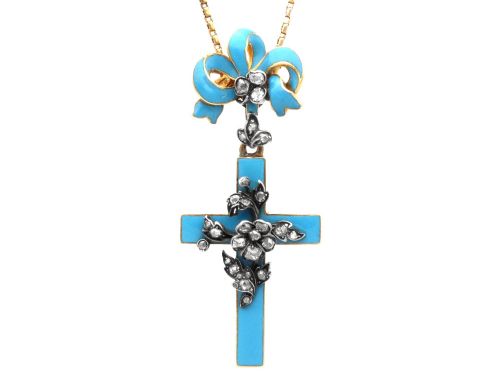
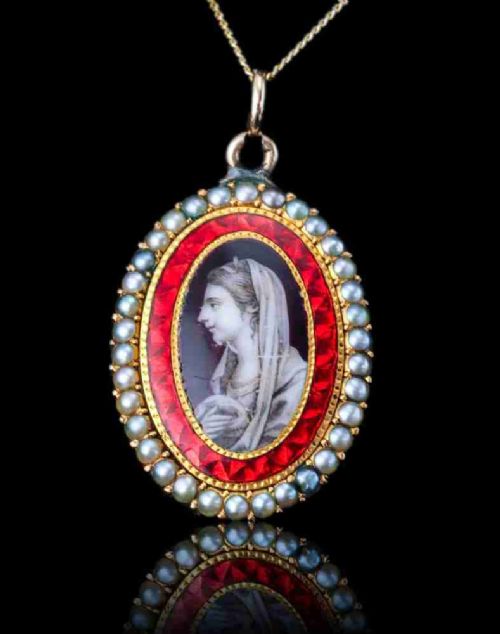
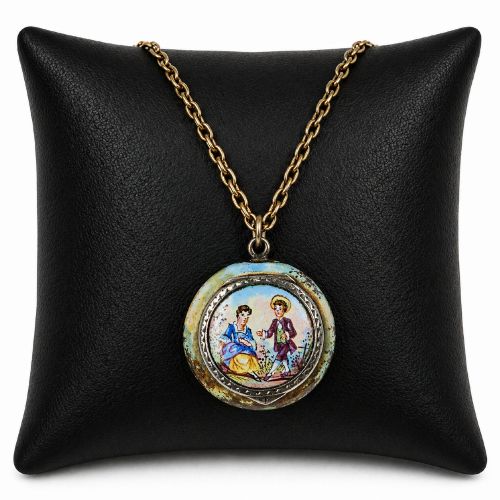
A georgian gold necklace encompasses delicate seed pearl strands, vibrant garnet and amethyst rivière designs, and intricate portrait miniature pendants that define the era. The pieces seen here span the 1700s and early 1800s, often featuring yellow or rose gold settings paired with pearls, coral, or coloured paste stones.
Buyers most frequently encounter 9ct and 18ct gold configurations, alongside double strand pearl arrangements secured with gold clasps. Pendant necklaces and rivières dominate the selection, bringing genuine period craftsmanship directly to the modern collector.
How they were made
Makers utilised high-karat yellow and rose gold alongside silver settings, often combining them with natural seed pearls, amethysts, garnets, and hand-painted portrait miniatures. Metalwork techniques included delicate cannetille wirework and secure bezel settings designed to hold precious stones and glass components firmly in place.
Constructed by hand during the Georgian and Regency periods, these necklaces relied on traditional soldering and assembly methods. Clasps, dog clips, and link chains were individually fabricated, resulting in durable jewellery that retains its structural integrity over centuries.
Georgian Gold Necklace Retail Price Guide 2026
Typical asking prices for georgian gold necklace among the pieces listed under this phrase on Sellingantiques today, from the lower quarter to the upper quarter. They describe what is for sale here now, not the wider market.
Listings feature 9ct gold, 15ct rose gold, and 18ct yellow gold, alongside silver, enamel, and natural seed pearls.
What varies in quality
Quality rests upon the purity and weight of the gold, the uniformity and natural lustre of the seed pearls, and the depth of colour found in gemstones such as amethysts, garnets, and green paste. Superior pieces display meticulous stone-cutting and sophisticated metalwork like cannetille wire, whereas lesser examples show simpler forms with minor material wear.
The preservation of original components, from dog clips to clasps and pendant mountings, dictates the standing of a piece within the range. Intricate hand-painted details on portrait miniatures and enamel work further separate standard examples from exceptional survivals.
Henry Jacob Burch
The Georgian Gold Necklace Glossary
- Rivière
- A necklace composed of gemstones of similar cut and gradual size progression, mounted closely together so the metalwork remains understated. These settings maximise the brilliance of stones like garnet and amethyst.
- Cannetille
- An ornate filigree metalwork technique resembling fine embroidery or lace, created using twisted gold wires and tiny metal balls. It is frequently observed on high-grade Georgian pendant mountings.
- Seed Pearl
- A tiny, naturally occurring pearl, typically under two millimetres in diameter, used extensively in multi-strand Georgian and Victorian necklaces. They require careful handling due to their delicate organic structure.
- Dog Clip
- A spring-loaded swivel fastener commonly attached to chains and necklaces, allowing secure fastening to pendants or fob seals. These mechanisms reflect the functional mechanics of the period.
Georgian Gold Necklace: Frequently Asked Questions
How do I care for a seed pearl necklace?
Seed pearls are sensitive to moisture, perfumes, and cosmetics, which can damage their delicate nacre over time. Wipe them gently with a soft dry cloth after wearing and store them flat away from other jewellery.
Keep them in a breathable fabric pouch rather than a sealed plastic container. Avoiding direct contact with chemicals ensures the silk threading and pearls remain preserved.
How can I date a Georgian gold piece?
Dating relies on stylistic clues such as hand-cut gemstones, closed-back settings, and specific metalwork techniques like cannetille wire. The absence of modern hallmarks and the presence of hand-carved components point directly to the 1700s and early 1800s.
Comparing the clasp mechanics and overall construction with documented pieces helps narrow down the decade. Materials like pinchbeck or specific gold karats also offer chronological markers.
Were these necklaces worn daily?
Georgian jewellery was created for the affluent classes to wear during social gatherings, portrait sittings, and formal evening events. The delicate nature of seed pearls and portrait miniatures meant they were reserved for special occasions rather than rough labour.
Over time, surviving pieces transitioned from active wardrobe staples to cherished collectors' items. Their survival demonstrates how carefully previous owners stored and maintained them.