

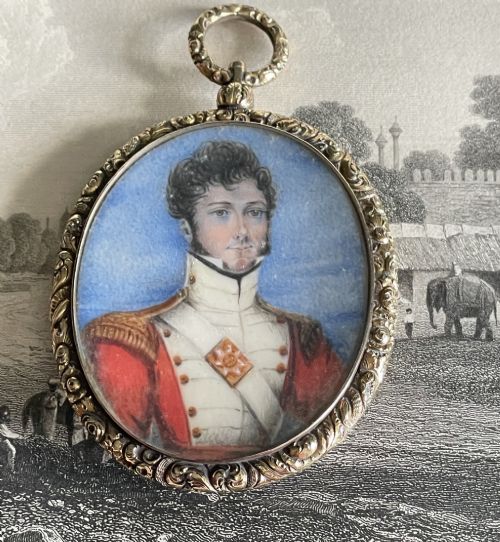


Regency Portrait Pendant
A regency portrait pendant brings intimate likenesses into personal jewellery, offering wearable history crafted in miniature.
Regency Portrait Pendant
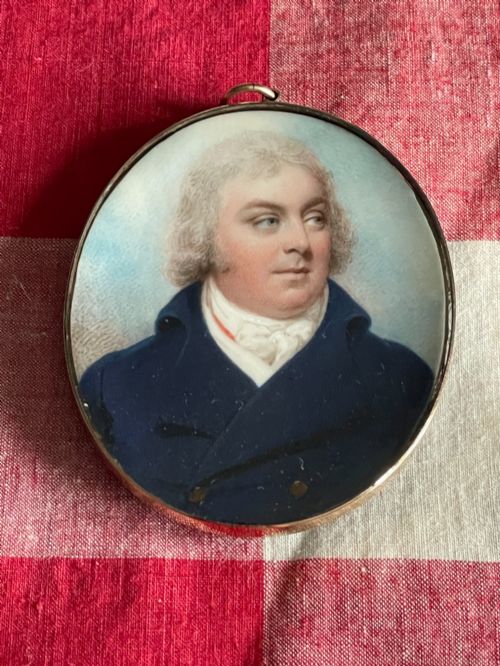
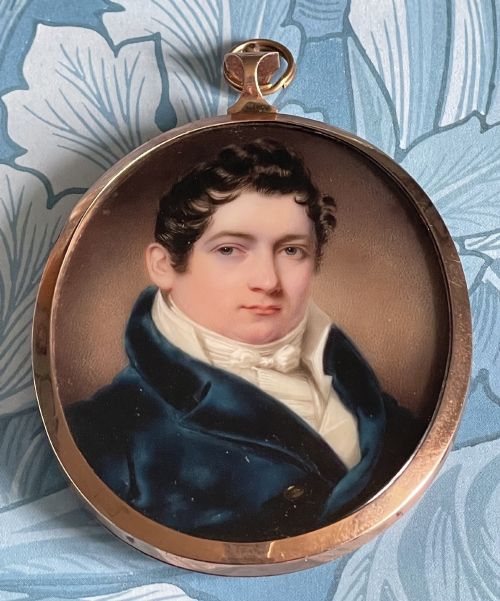
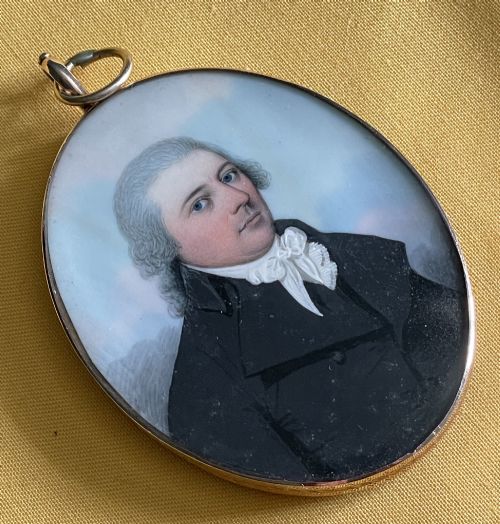
A regency portrait pendant combines miniature painting with precious framing, worn close to the body as a personal keepsake. The items appearing under this heading bridge fine art and personal ornament, representing sitters from officers to country gentlemen.
The material forms on this page span the 18th century, the Georgian era, and the 19th century. Buyers most frequently encounter miniatures executed in watercolour, sometimes on ivory, secured within gilt metal or gold mounts intended for suspension.
Materials and construction
Makers rendered these miniature likenesses using watercolour on delicate surfaces such as ivory or paper, often sealed beneath protective glass. Fine brushwork achieved remarkable detail at a very small scale, capturing facial expressions and uniform distinctions precisely.
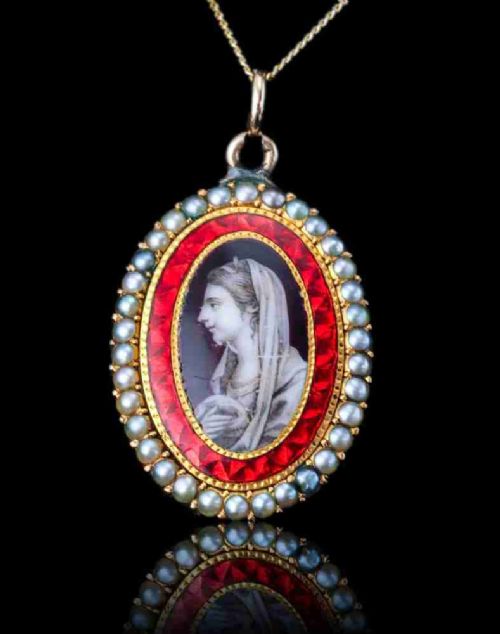
Enamel provided an alternative medium fired for permanence, while frames utilised gold, 9ct gold, and gilt metal, occasionally accented with pearls.
Regency Portrait Pendant Retail Price Guide 2026
Typical asking prices for regency portrait pendant among the pieces listed under this phrase on Sellingantiques today, from the lower quarter to the upper quarter. They describe what is for sale here now, not the wider market.
Several military sitters gaze firmly into the middle distance, entirely unimpressed by the tiny scale of their immortalisation.
Judgements of quality
The housing matters equally, with substantial gold work and pearl enrichment marking out superior items from simpler gilt metal frames. The integration of the suspension loop and the clarity of the protective glass complete the standard of the object.
John C D Engleheart·Frederick Buck·Henry Bone ARA·William Grimaldi·George Engleheart·John Inigo Wright·AE Chalon
The Regency Portrait Pendant Glossary
- Portrait miniature
- A small-scale painting executed with fine detail, typically depicting a specific individual. These works required immense patience and steady hands using microscopic brushes.
- Watercolour on ivory
- A painting technique utilising a thin slice of ivory as a luminous ground for water-based pigments. The translucent quality of the material imparted a natural glow to human skin tones.
- Enamel miniature
- A portrait fused to a metal base through high-temperature firing. This method ensured the colours remained stable and resistant to fading over centuries.
- Gilt metal
- Base metal treated with a thin layer of gold to simulate solid precious metal. It offered an accessible framing option for smaller portrait pieces.
Regency Portrait Pendant: Frequently Asked Questions
How were regency portrait pendant pieces worn?
These items hung from ribbons or chains around the neck, keeping the likeness of a loved one or an esteemed figure near the heart. Their intimate scale suited covert display beneath clothing or open wear on formal occasions.
Owners often stored them in fitted boxes when not worn, preserving both the delicate paint surface and the gold or gilt metal framing from unnecessary wear.
What subjects appear in these miniatures?
The sitters include military officers, naval commanders, country gentlemen, and named individuals such as Sir William Barnard or Sir John Deas Thomson. Commissioned by families or regiments, they recorded specific likenesses before the widespread use of photography.
Unidentified sitters also appear frequently, representing broader societal figures from the Georgian and Regency periods whose names are now lost to time.
How can I tell the period of a pendant?
Dating relies on costume details, hair styling, and the construction of the frame or mount. Regency and Georgian aesthetics favour specific framing profiles, often utilising heavy gold or simpler gilt metal surrounds.
The handwriting on reverse inscriptions, where present, also provides clues to the era in which the portrait was painted.