



Red Enamel Pendant
These red enamel pendant pieces combine rich metalwork with vivid colour, offering a striking focal point that draws the eye immediately.
Red Enamel Pendant
A red enamel pendant brings together precious metals and fused glass pigments to create a lasting decorative statement. When searching for a red enamel pendant, buyers encounter examples spanning from the Georgian and Victorian eras through to the mid-twentieth century.
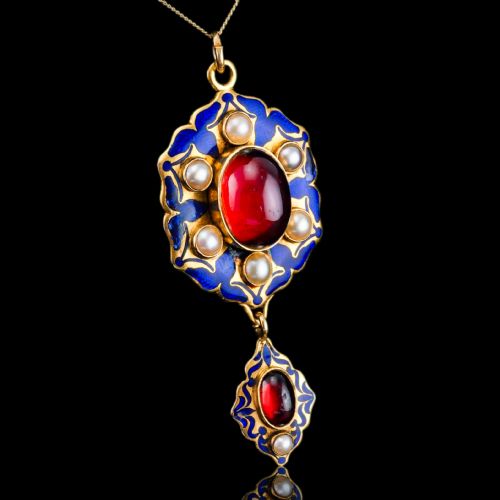
Gold forms the primary metal foundation across multiple carats, alongside sterling silver. Many designs incorporate additional stones like garnets, pearls, and diamonds to frame the central red enamel work.
How they were made
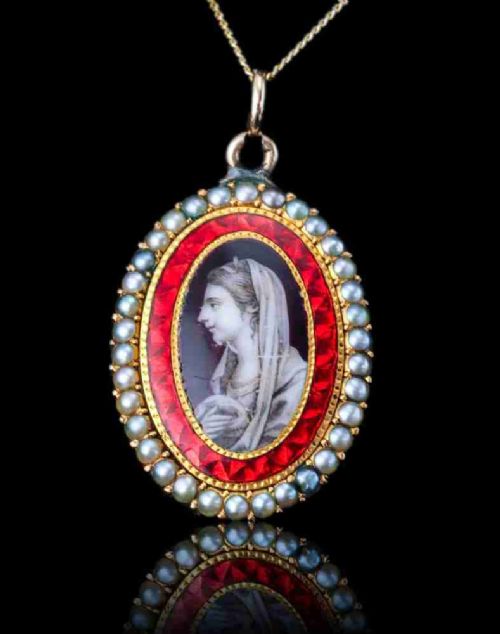
Craftsmen fused powdered glass onto gold and silver bases through high-temperature firing to achieve the durable red enamel surfaces seen on these pieces. Techniques range from opaque finishes to translucent guilloche patterns that reveal engine-turned engraving beneath the colour.
Metalwork involved casting, wirework, and hand-setting techniques to secure gemstones such as pearls and garnets alongside the enamel panels. Artisans also utilised plique-a-jour methods where transparent enamel spans open gold cells without a backing.
Red Enamel Pendant Retail Price Guide 2026
Typical asking prices for red enamel pendant among the pieces listed under this phrase on Sellingantiques today, from the lower quarter to the upper quarter. They describe what is for sale here now, not the wider market.
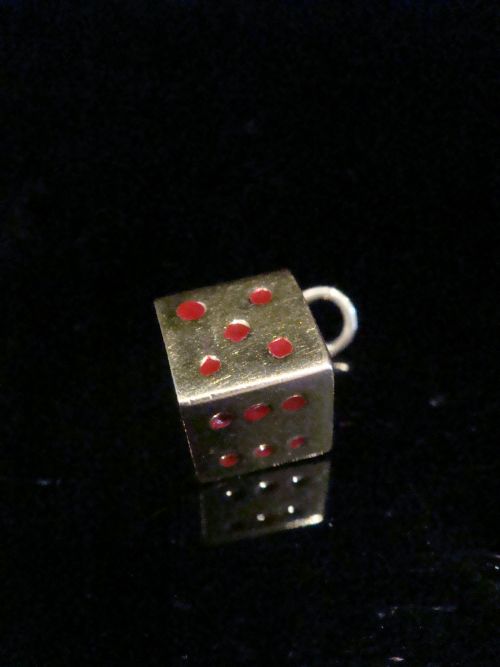
Period representation ranges from eighteenth-century portrait miniatures to mid-century dice charms, covering Georgian, Victorian, and Arts and Crafts styles.
What varies in quality
The finesse of the metal fabrication and the uniformity of the enamel layer distinguish finer pieces from simpler work. Expert handling of guilloche engraving beneath translucent red enamel creates depth that plain surfaces lack.
The integration of secondary stones, such as well-matched seed pearls or rose-cut diamonds, indicates higher workshop standards. Preservation of the vitreous enamel without cracking or extensive restoration remains central to the integrity of each item.
Knox for Liberty and Co·Murrle Bennett
The Red Enamel Pendant Glossary
- Guilloche
- An ornamental pattern engraved mechanically onto metal using a lathe before translucent enamel is applied over the top. This technique creates repeating geometric waves that shine through the coloured glass.
- Vitreous Enamel
- A material made by fusing powdered glass to a metallic substrate at high temperatures. The resulting glossy coating resists wear and maintains its hue across centuries.
- Holbeinesque
- A nineteenth-century revival style inspired by sixteenth-century court jewellery designs. These pieces typically feature heavy goldwork set with pearls, garnets, and enamel drops.
- Plique-a-jour
- An enamelling technique resembling stained glass, where enamel is applied within open metal cells with no backing. Light passes directly through the translucent coloured sections.
- Puffy Heart
- A hollow pendant form made from two pressed metal domes soldered together. Makers often decorated these rounded forms with enamel and surface engraving.
Red Enamel Pendant: Frequently Asked Questions
How do I wear a pendant necklace?
These pendant necklaces suit various necklines, whether worn alone on a simple chain or layered with complementary antique gold pieces. The length of the chain alters how the pendant sits against clothing.
Heavier items like cross medals or locket designs require sturdy chains to distribute the weight safely. Pairing them with period-appropriate neckchains preserves the historical character of the jewellery.
How do I clean an enamel pendant?
Enamel requires gentle handling because glass surfaces scratch easily under harsh abrasives. A soft cloth dampened with warm water removes everyday dust without harming the metal or stone settings.
Submerging antique jewellery in chemical cleaners or ultrasonic baths risks damaging organic elements like pearls and weakening ancient solder joints. Professional inspection helps maintain vulnerable settings.
What periods do these pendants span?
The pieces available here cross multiple centuries, beginning with Georgian and eighteenth-century examples. Victorian and Edwardian items follow, showcasing mid-nineteenth to early twentieth-century revivals.
Later vintage and mid-century designs demonstrate how enamelling techniques persisted long after the industrial revolution. Each era brings distinct metal alloys and stylistic motifs to the selection.
Are these pieces suitable for daily wear?
While gold and vitreous enamel offer good durability, antique jewellery benefits from mindful care during regular activities. Removing pendants before sleeping or physical work prevents accidental impacts against hard surfaces.
Enamel can chip if struck sharply against stone or metal objects. Storing each piece in an individual soft pouch protects the surface finish when not being worn.