


18th Century Jewellery
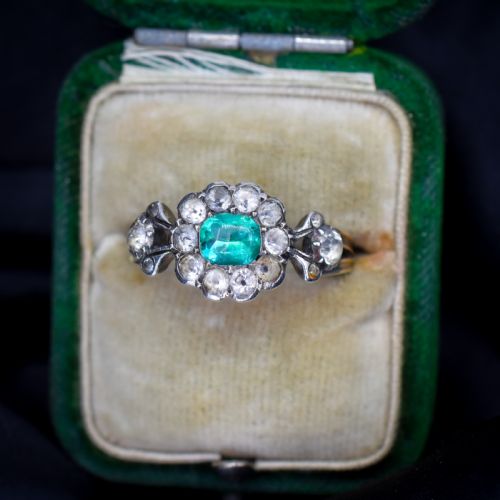
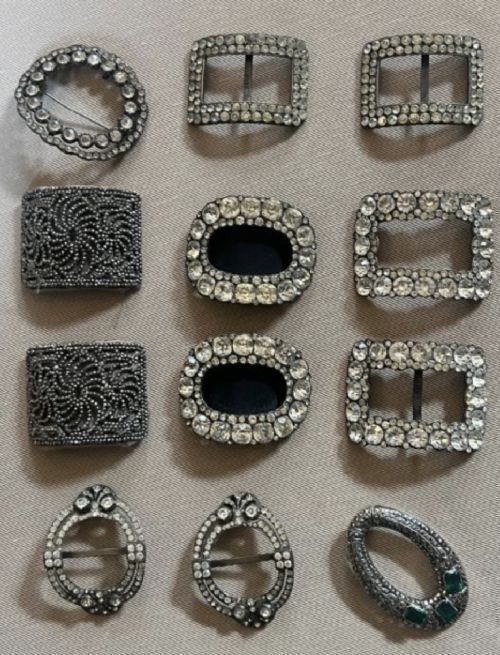
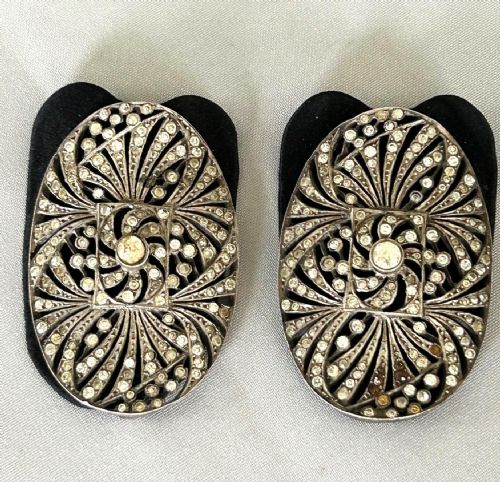
These 18th century jewellery pieces comprise Georgian rings, portrait miniature pendants, paste shoe buckles and gold earrings designed for personal adornment and keepsake collection.
18th Century Jewellery
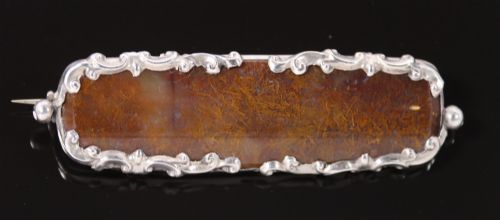
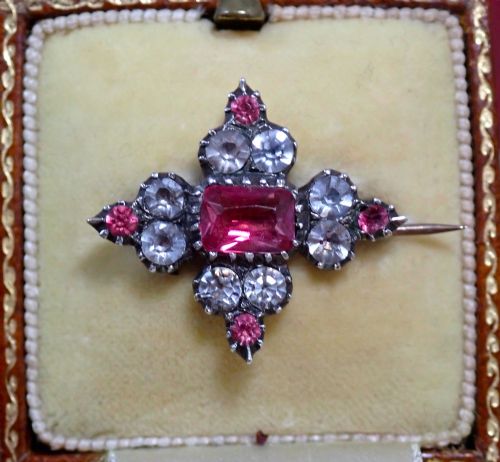
Buyers examining 18th century jewellery encounter rings, brooches, earrings, and pendants that span the Georgian and Regency eras. The selection frequently includes paste glass items alongside pieces featuring natural gemstones set in precious metals.
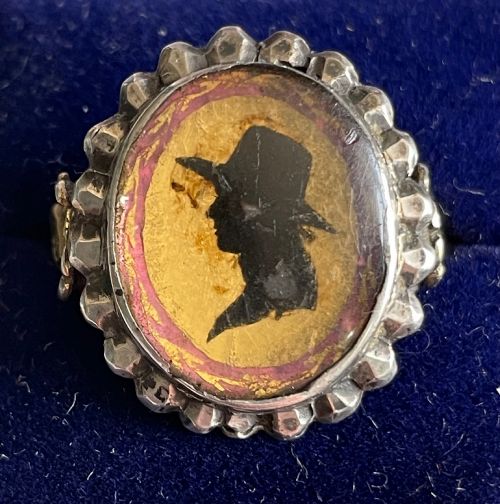
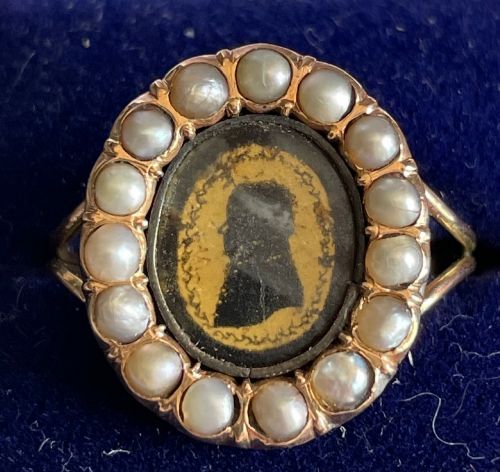
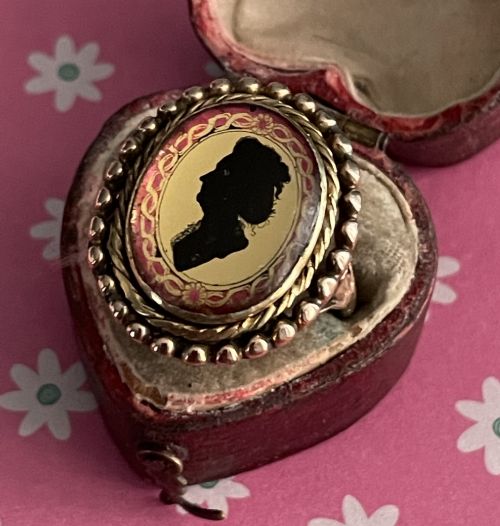
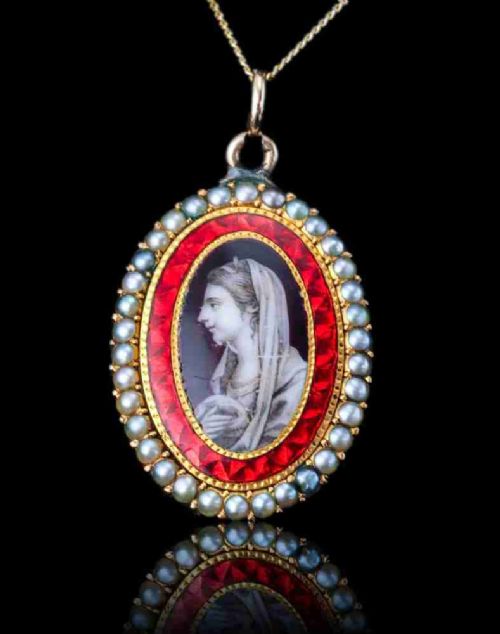
Portrait miniatures painted on enamel or rendered as silhouettes form a distinct portion of these survivals. These wearable likenesses often double as lockets or pendants designed to hold sentimental tokens.
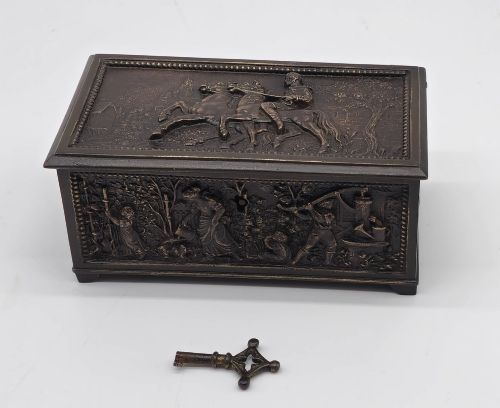
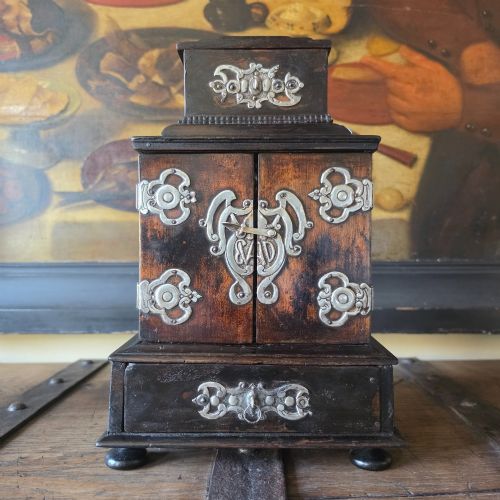
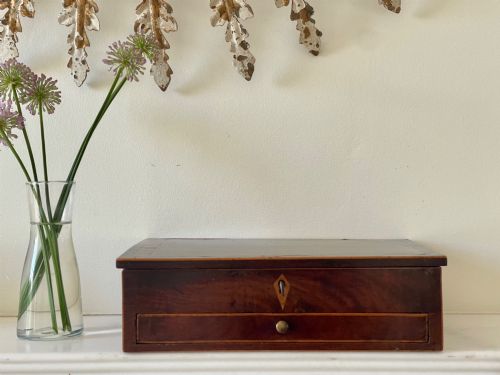
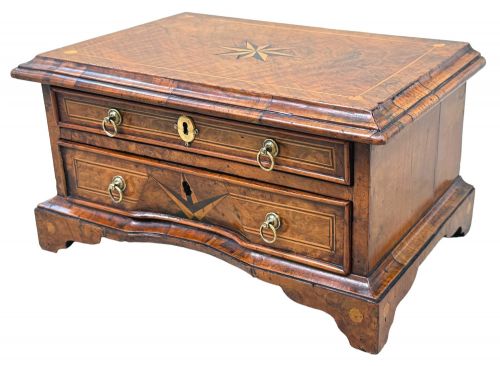
The category also encompasses larger personal accessories such as decorative boxes, shoe buckles, and seals used during the period. These items reflect the broader material culture of eighteenth-century dress and personal care.
Materials and construction methods
Goldsmiths and silversmiths utilised gold, silver, and copper-alloyed metals to construct secure settings for gemstones and paste glass. Closed-back foil settings frequently lie beneath paste stones to enhance their reflective quality under candlelight.
Miniature painting required fine enamel work, watercolor on ivory, and delicate silhouette cutting often mounted within gold or brass frames. Enamel guilloche and seed pearls frequently ornament the borders of target-design earrings and mourning pendants.
Listings feature gold, silver, and brass alongside materials like glass, enamel, and paste glass found across Georgian and Regency pieces.
Distinctions in quality
The finesse of the metalwork and the precision of the stone-setting separate standard items from superior examples. Hand-cut garnets, amethysts, and crisply faceted paste glass display sharper light return and more considered proportion.
The artistic execution of portrait miniatures and silhouettes determines the upper tier of desirability within the category. Signed works by documented artists command greater attention due to the verified skill involved in their rendering.
Henry Bone ARA·John Miers·Christian Friedrich Zincke
The 18th Century Jewellery Glossary
- Portrait miniature
- A small, detailed painting executed on ivory, vellum, or enamel, often worn as a pendant or set into a brooch.
- Guilloche
- An ornamental pattern produced mechanically on a metal surface by a turning machine, frequently covered with translucent enamel.
- Black dot paste
- A specific technique applied to foiled paste stones where a small dot is painted on the culet to simulate old-mine cut diamonds.
- Silhouettes
- Profile portraits cut from black paper or painted in monochrome, popular for personal keepsakes before the widespread use of photography.
18th Century Jewellery: Frequently Asked Questions
What is paste glass in Georgian jewellery?
Paste glass is a heavy, high-refractive-index lead glass that artisans cut and polished by hand to imitate diamonds, rubies, and emeralds during the Georgian period.
Craftsmen often placed coloured metallic foil behind these stones to deepen their hue and increase brilliance under evening candlelight.
How do you date portrait miniature pendants?
Dating relies on costume details, hair styling, mounting materials, and the specific medium used by the artist. Signed pieces provide direct reference to active working dates.
Frames made of gold or silver with closed backs generally point toward the eighteenth century, while stylistic changes occur as the Regency period begins.
What is a target design earring?
Target design earrings feature concentric circles of enamel, seed pearls, or gemstones radiating outward from a central stone. This geometric arrangement creates a distinct focal point.
Jewellers utilised gold wirework and closed-back settings to construct these balanced, circular motifs popular around eighteen hundred.