
Antique Yellow Gold Chain
An antique yellow gold chain offers wearable history, prized for its tactile links and warm metal tones that elevate any neckline.
Identifying an antique yellow gold chain
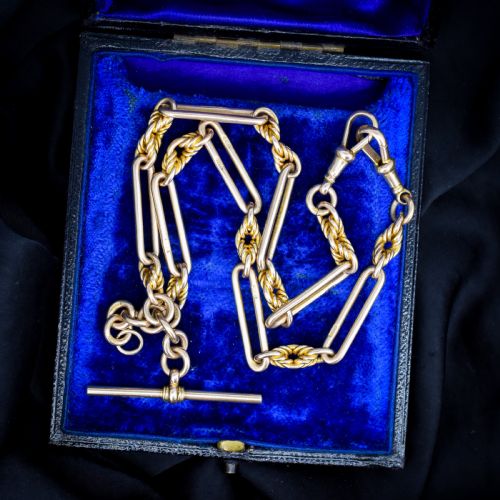
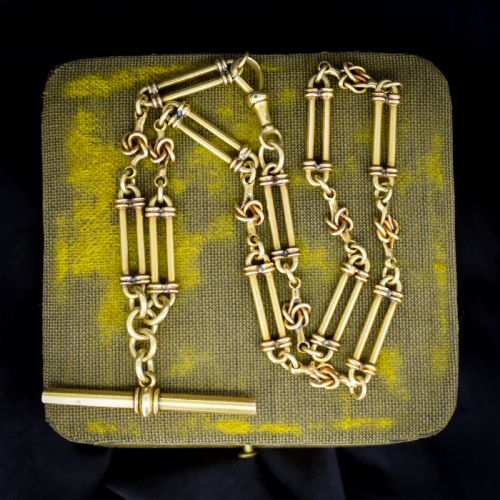
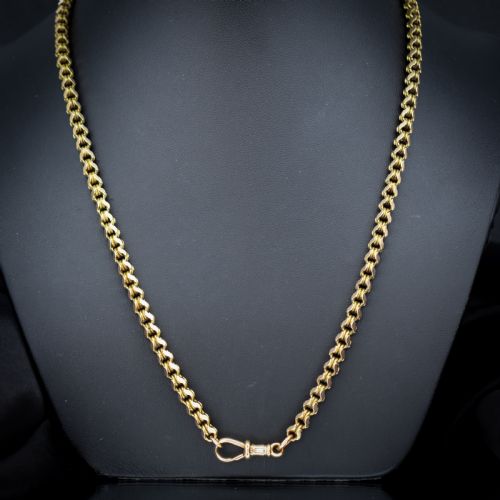
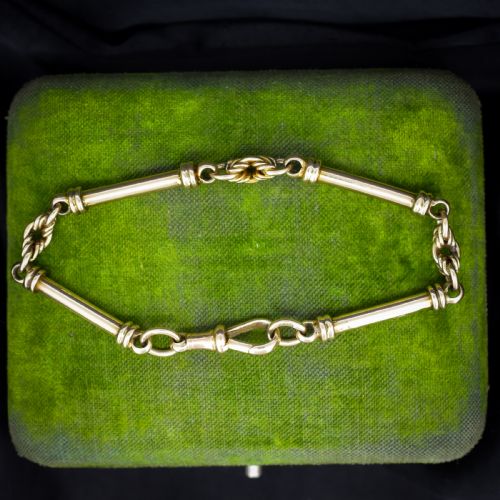
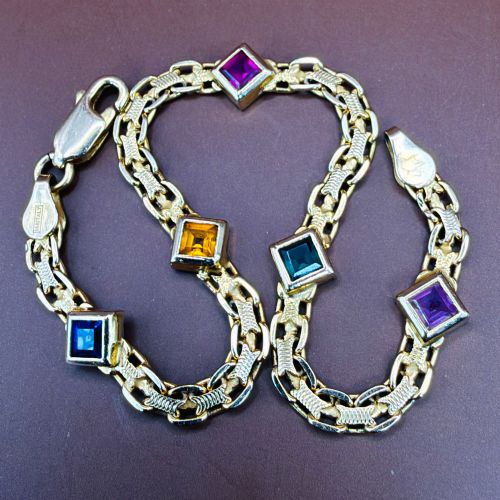
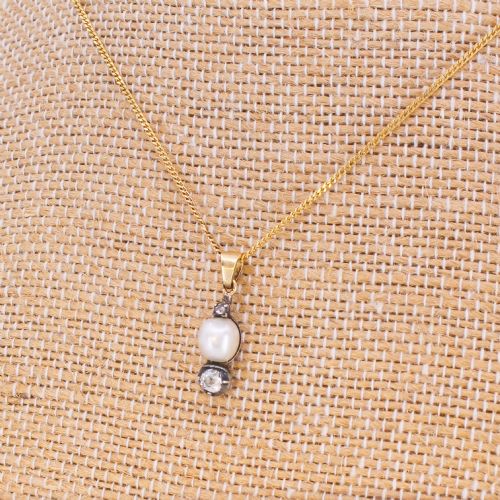
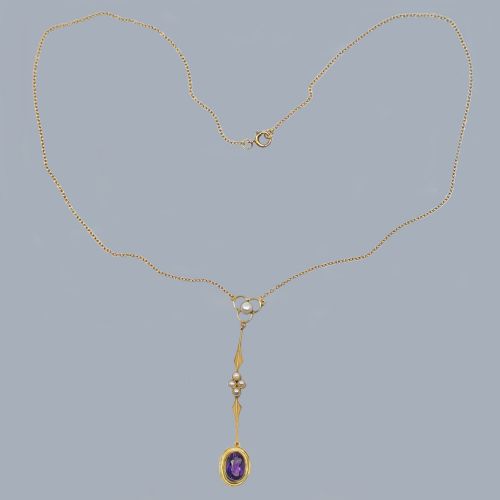
When searching for an antique yellow gold chain, collectors encounter an array of neckwear spanning the Georgian, Victorian, and Edwardian eras. These pieces range from substantial muff chains and longuards designed to suspend pocket watches to shorter, ornamented necklace links set with pearls or gemstones.
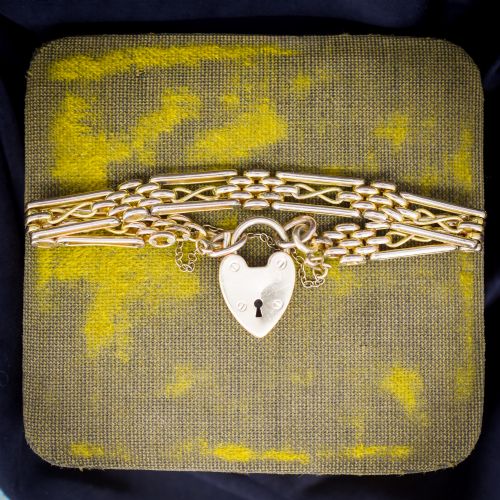
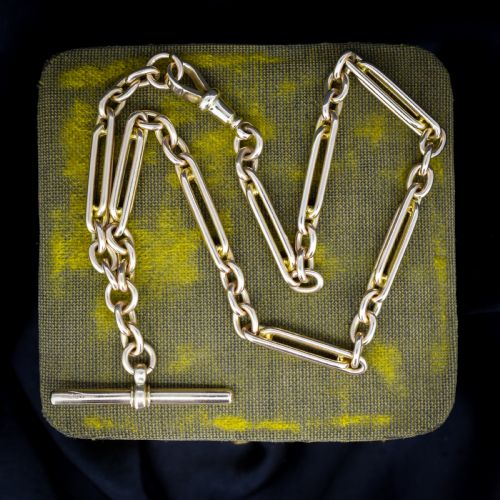
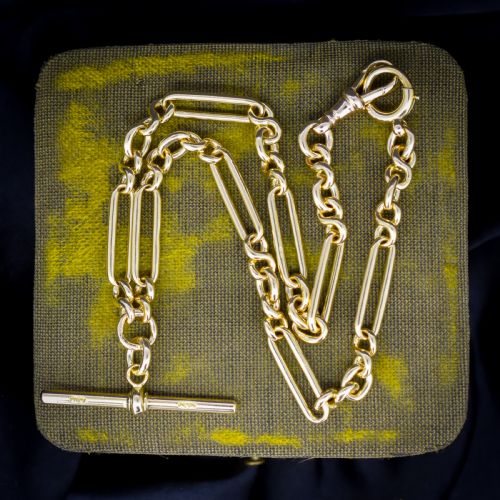
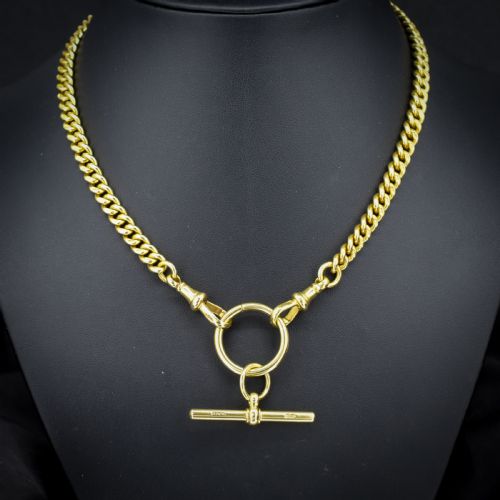
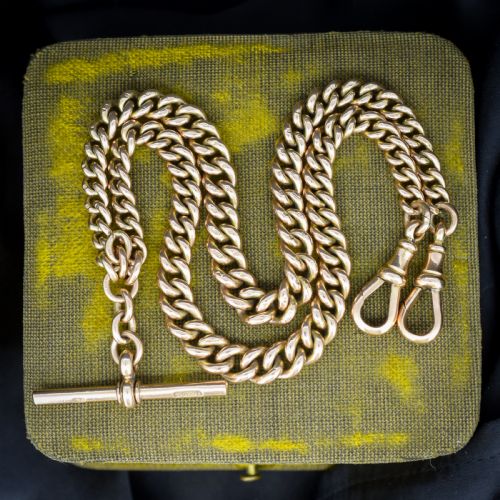
The most common examples on this page are Victorian and Edwardian 9ct or 18ct yellow gold chains, frequently incorporating clever fastenings like dog clips, T-bars, and Albert swivels. These functional components reflect their original purpose as utilitarian accessories for timepieces before evolving purely into decorative jewellery.
Shorter lengths sit close to the collarbone, whilst exceptional longer chains offer versatility through looping or doubling around the neck. Each period brings distinct characteristics, from the robust simplicity of Georgian links to the refined delicacy typical of early twentieth-century design.
Materials and construction methods
Goldsmiths worked primarily in various purities of yellow gold, notably nine-carat, fifteen-carat, and eighteen-carat, occasionally combining yellow and rose gold or incorporating platinum and white gold details. Links were meticulously shaped by hand or stamped, often with every individual link bearing British hallmarks to guarantee metal fineness.
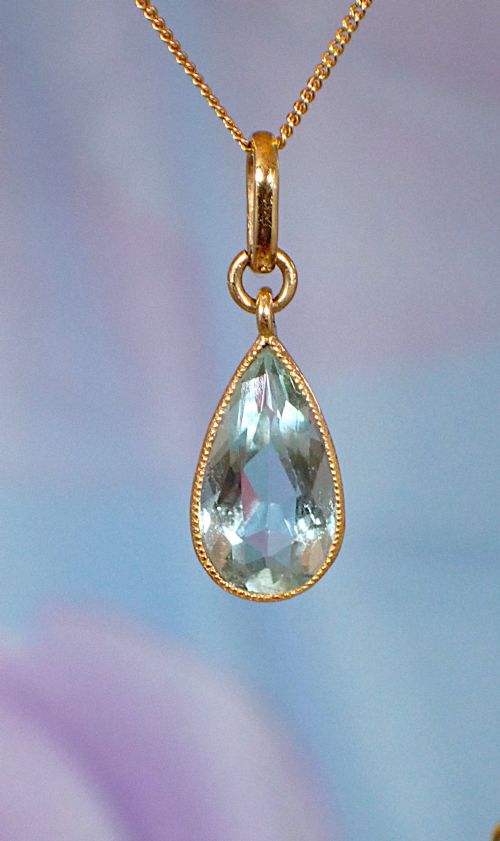
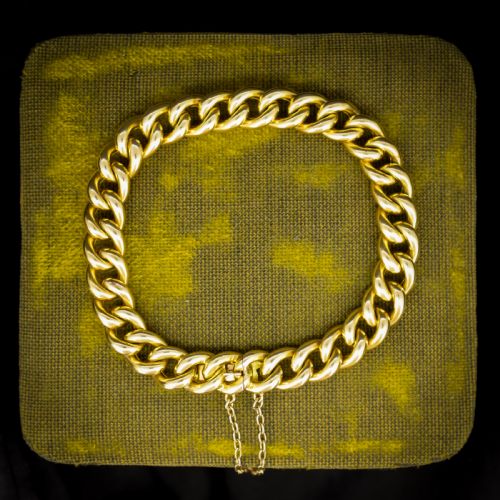
Construction techniques varied according to the intended function of the chain, utilising robust curb links, flat links, trombone patterns, or intricate snake chain tubing. Decorative accents frequently included natural pearls, citrine, blue stones, rubies, and peridots, mounted securely within bezels or drop pendants.
Retail Price Guide 2026
Typical UK retail prices for yellow gold chain, calculated from the Sellingantiques database of over a million retail prices indexed since 2003. This retail price guide relies exclusively on Sellingantiques data; no external sources or auction records are used, so the figures do not describe the wider market.
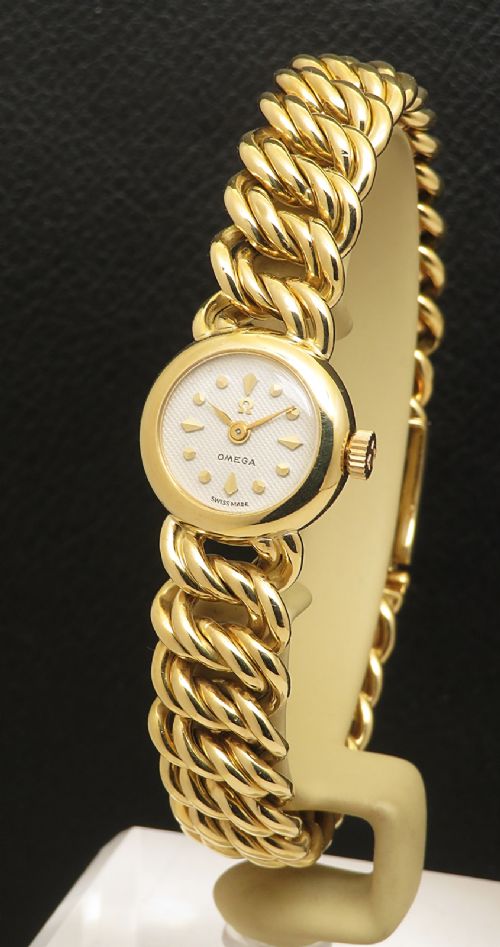
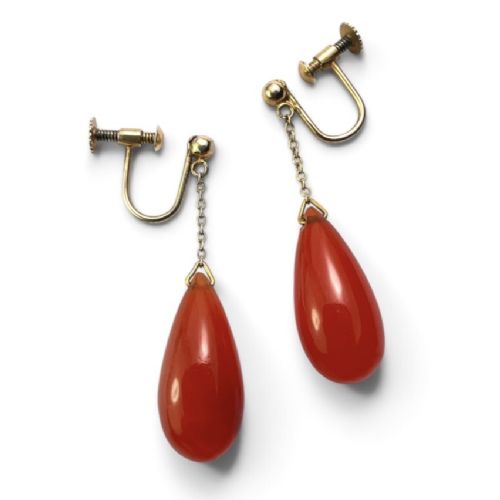
Listings feature yellow gold, white gold, and pearl materials across Georgian, Victorian, and Edwardian periods.
Judging the quality of links and hardware
The distinction between standard examples and superior specimens lies in the integrity and complexity of the link construction. Fully hallmarked links on every single component indicate a higher grade of craftsmanship compared to partially marked or entirely unmarked alternatives.
Hardware such as dog clips, swivel clasps, and T-bars adds significantly to the distinction of a piece, particularly when original to the chain and fully operational. The weight, gauge of wire, and intricacy of decorative link ornamentation further separate utilitarian pieces from masterwork jewellery.
The Antique Yellow Gold Chain Glossary
- Albert clip
- A spring-loaded swivel fastening originally utilised to secure pocket watches to a chain. It remains a defining feature of antique watch chains today.
- Muff chain
- A very long chain designed during the Georgian and Victorian eras to suspend a hand warmer or pocket watch. Wearers typically looped these pieces multiple times around the neck.
- T-bar
- A small horizontal bar attached to a centre drop on a watch chain, used to anchor the chain securely through a waistcoat buttonhole. This component frequently survives on nineteenth-century pieces.
- Longuard
- An exceptionally long Victorian necklace designed to suspend eyeglasses, lorgnettes, or watches. These versatile lengths often measure well over fifty inches.
- Trombone link
- A specific chain link design featuring elongated rectangular loops alternating with smaller round links, reminiscent of musical instrument tubing. This style gained popularity during the Edwardian period.
Frequently Asked Questions
How do I wear a long antique chain?
Longer Victorian guard chains and muff chains offer great versatility for daily wear because their generous length allows you to double them over your head.
You can also attach pendants, lockets, or original dog clips to create layered looks or shorten the drop to suit different necklines.
What is the difference between a watch chain and a necklace?
Traditional watch chains were originally engineered to secure pocket watches or fobs, featuring functional hardware like T-bars and swivel clips.
Over time, many owners repurposed these utilitarian items into standard necklaces by removing the timepieces whilst retaining the distinctive clasps.
How can I tell which era a gold chain belongs to?
Dating relies on examining the construction style, hallmarks, and accompanying hardware such as dog clips or spring rings.
Georgian pieces often display hand-wrought simplicity, whilst Victorian and Edwardian examples frequently feature stamped components, specific gold carats, and official assay marks.