
Antique Glazed Stoneware
Antique glazed stoneware encompasses robust vessels and planters shaped from dense clay, offering tactile glazes and historic utility that elevate any interior.
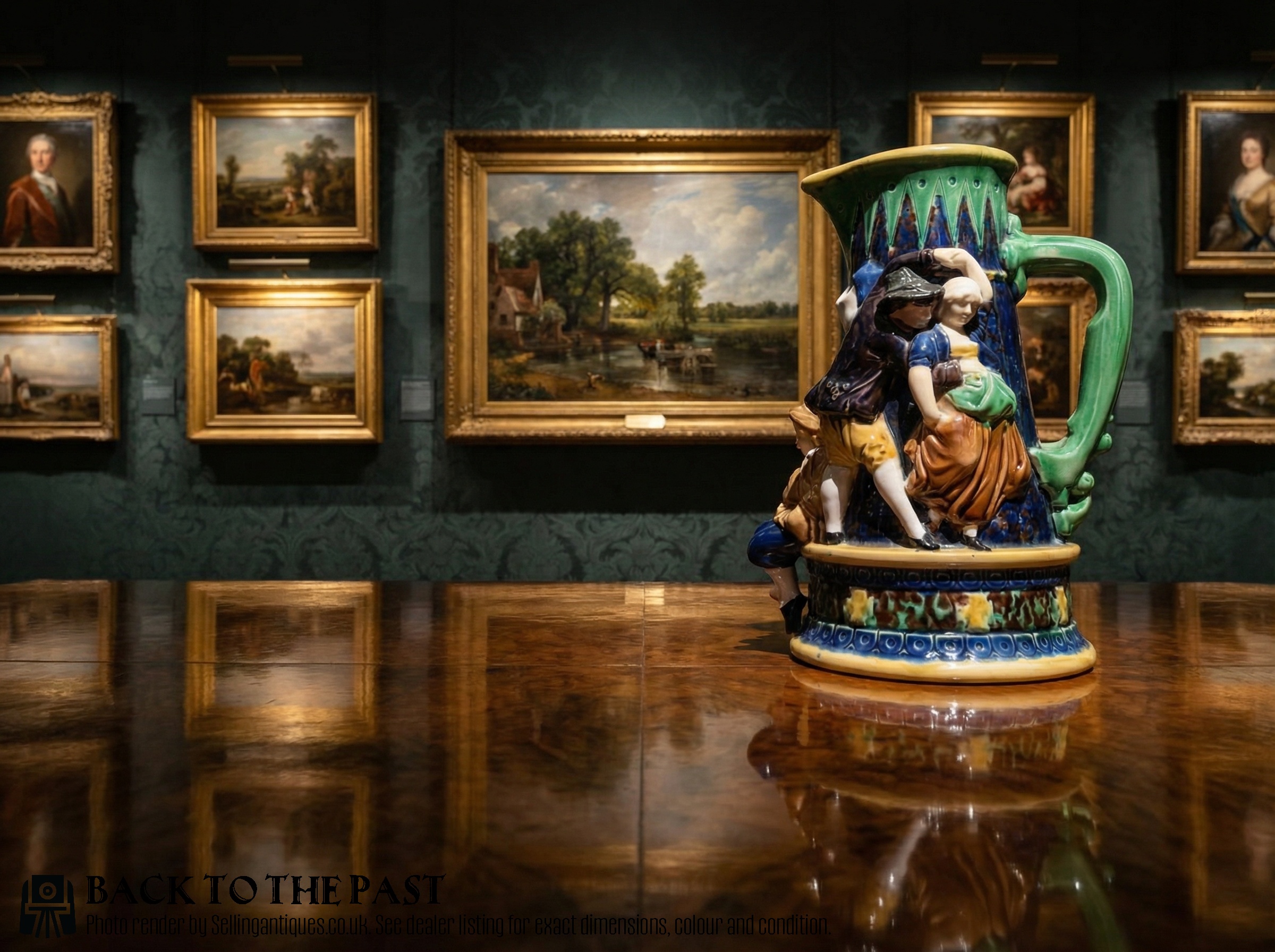
Antique Glazed Stoneware
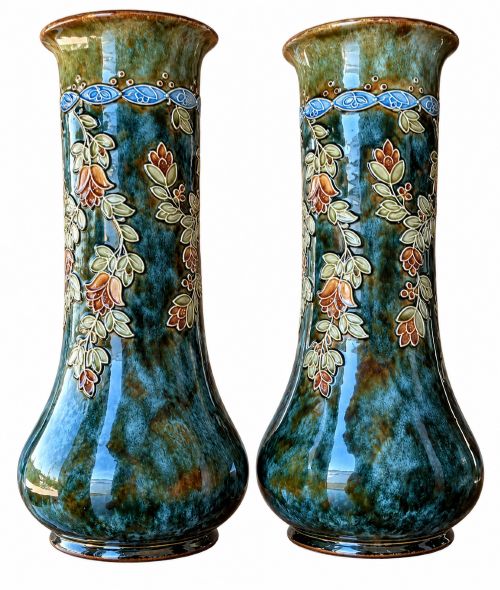
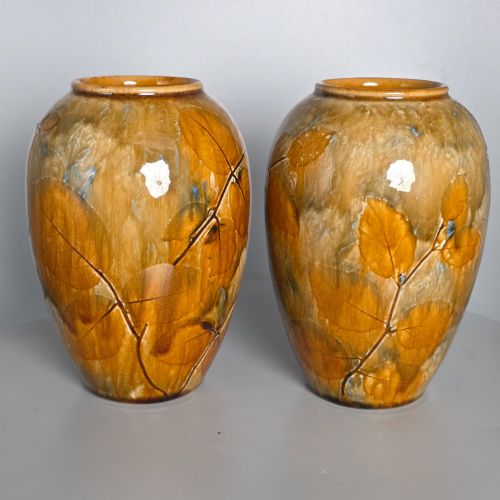
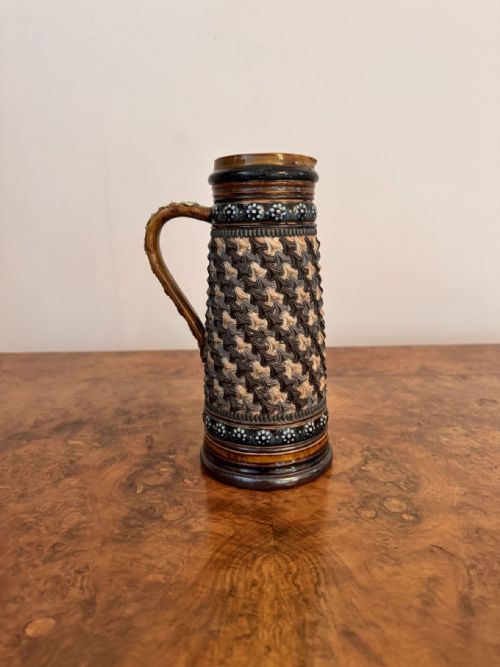
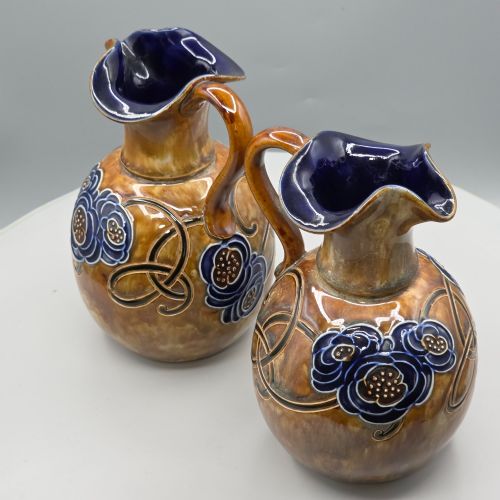
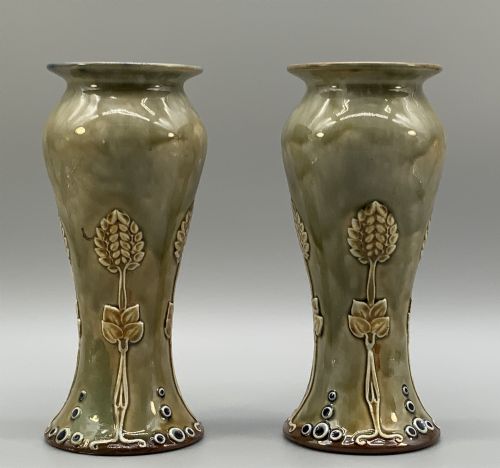
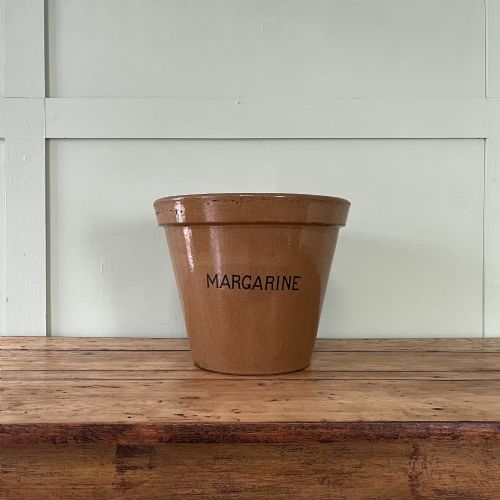
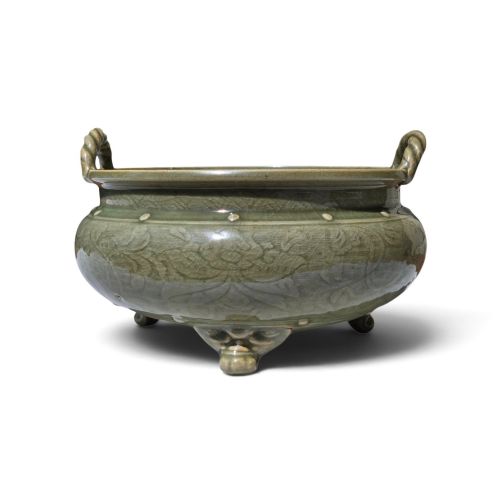
When you search for antique glazed stoneware, you encounter a durable category of pottery that spans utilitarian storage vessels and decorative studio pieces. These items include jugs, pitchers, jardinieres, vases and flasks produced across British, European and Asian workshops.
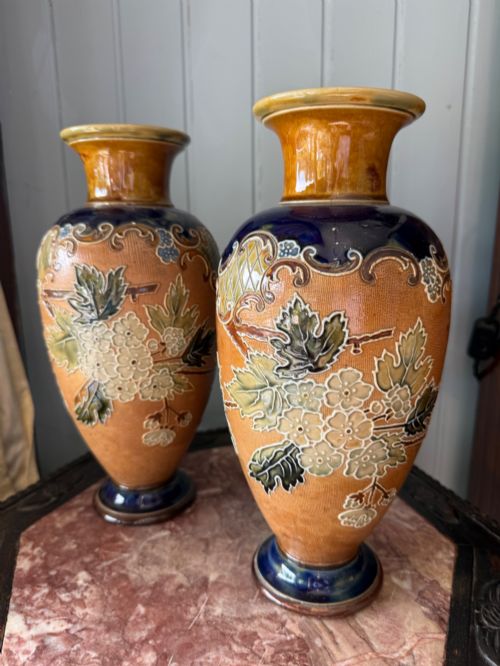
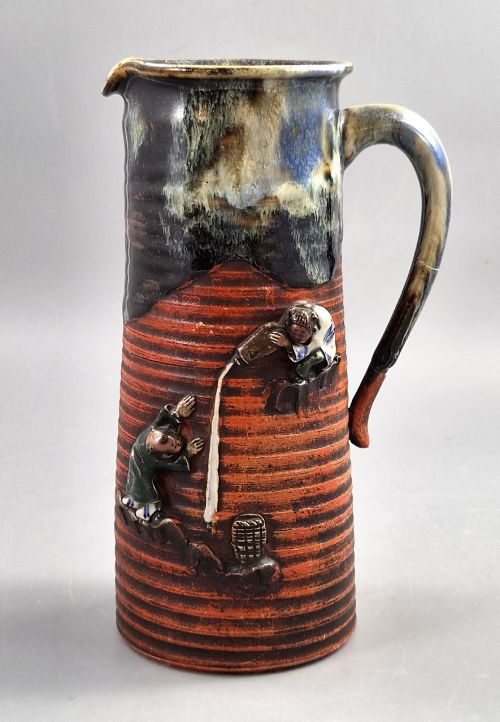
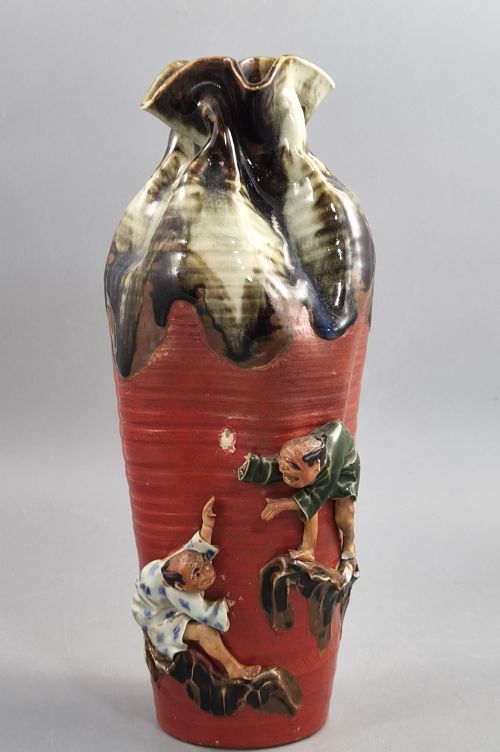
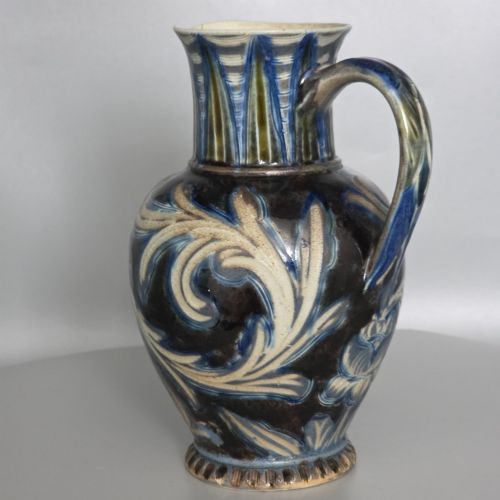
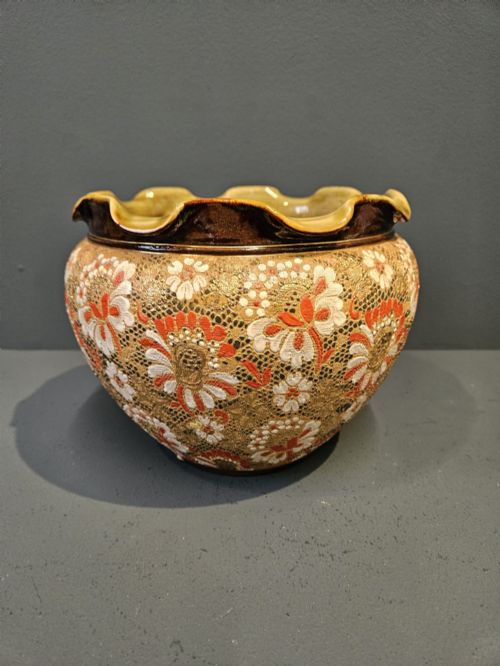
The pieces you are most likely to meet on this page hail from the nineteenth and early twentieth centuries, particularly British productions from factories such as Doulton Lambeth alongside German salt-glazed vessels and Japanese Sumida Gawa art pottery.
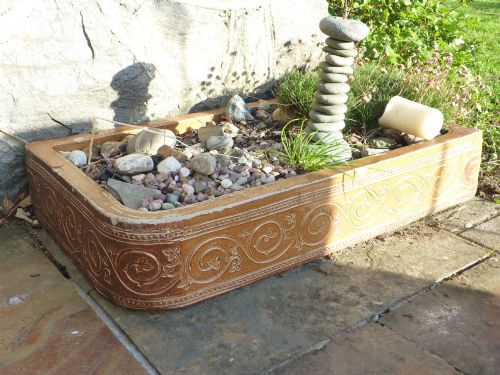
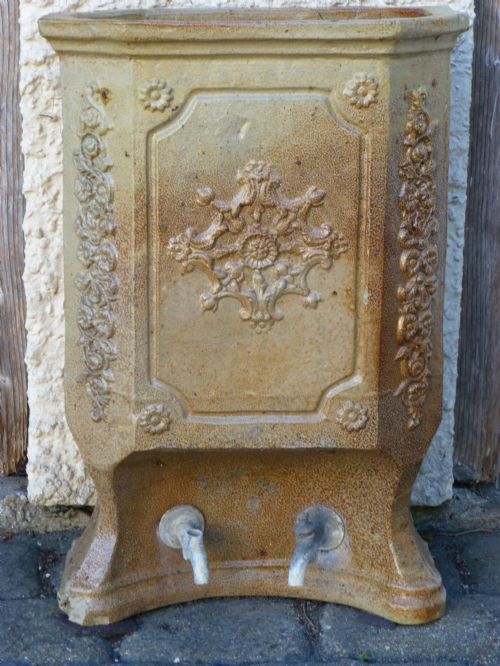
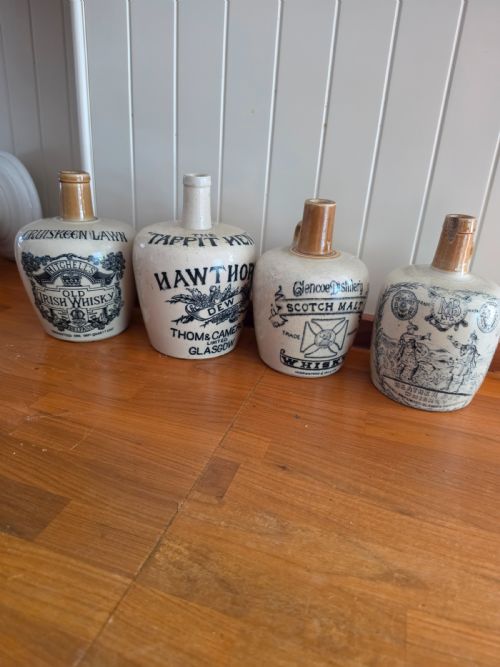
Forms range from large garden troughs and water filtration fountains down to small whisky flasks and sculptural vases adorned with applied figures. Each object reflects the utilitarian needs or aesthetic movements of its specific period.
How these pieces were made
Makers shaped dense, impervious clay bodies on the potter's wheel or utilised moulds to achieve precise relief decoration before firing the material at high temperatures. This intense heat vitrified the body, rendering the ceramic completely waterproof and durable.
Glazing techniques defined the surface finish, notably the application of salt glaze where common salt thrown into the kiln vapourised to create a characteristic orange-peel texture. Other pieces received cobalt blue pigments, rich brown slips, enamel colours or glossy flambe treatments.
Listings feature nineteenth-century British salt-glazed stoneware alongside Japanese Sumida Gawa art pottery and German Westerwald vessels.
What varies in quality
The distinction between ordinary utility items and exceptional pieces often rests upon the crispness of the relief moulding and the skill of the artisan executing the hand-applied decoration. Studio pottery and factory pieces alike demonstrate superior execution when the ornamentation remains sharp and well-defined.
Glaze application and colour distribution significantly influence the character of each vessel, where controlled cobalt highlights or rich mottled surfaces indicate superior kiln management. Furthermore, the prominence of named designers or specific historic ciphers elevates individual examples beyond standard commercial production.
Royal Doulton Lambeth·Simon Peter Gerz·Sir Edmund Elton·Berthe Savigny·Inoue Ryosai
The Antique Glazed Stoneware Glossary
- Salt glaze
- A vitreous coating formed on stoneware by throwing common salt into the kiln during high-temperature firing, producing a distinctive textured surface resembling orange peel.
- Stoneware
- A hard, dense ceramic pottery fired at high temperatures until the clay body vitrifies and becomes entirely impermeable to liquids without requiring interior glazing.
- Jardiniere
- A large ornamental ceramic pot or stand designed to hold growing plants or flowers, frequently displayed on tabletops or interior floors.
- Flambe glaze
- A lustrous, streaky metallic glaze showing rich transitions of colour, achieved through complex chemical reactions in a reducing kiln atmosphere.
- Tyg
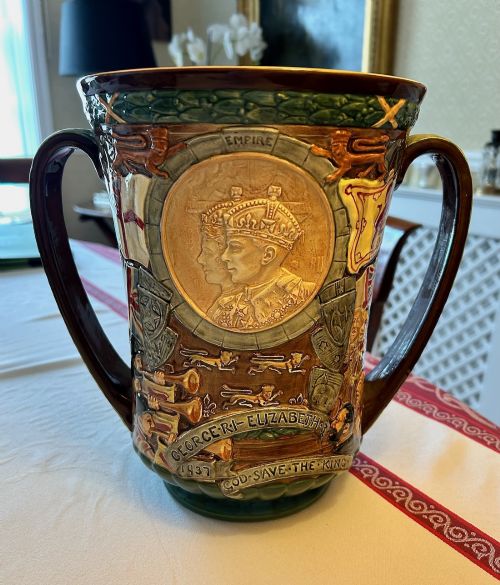
- A large drinking cup or vessel featuring three or more vertical handles, historically designed for communal passing around a table.
Antique Glazed Stoneware: Frequently Asked Questions
How do I clean antique glazed stoneware?
Wash the surface gently using warm water and a soft cloth to remove accumulated dust without harming the historic glaze or clay body.
Avoid harsh chemical detergents or abrasive scrubbing pads, which can scratch the ceramic finish and degrade old surfaces.
Can I use these planters outdoors?
Many large troughs and jardinieres were built for robust domestic or garden use, but historic frost sensitivity requires caution during freezing winter conditions.
Move delicate or porous pieces indoors when temperatures drop to prevent cracking within the historic ceramic structure.
What is the difference between earthenware and stoneware?
Earthenware is fired at lower temperatures and remains porous unless coated with an impermeable glaze, whereas stoneware vitrifies completely during high-heat firing.
This dense vitrification makes stoneware far heavier, more durable, and naturally waterproof even before exterior decorative glazing is applied.
How do I identify German salt-glazed jugs?
Look for characteristic grey clay bodies decorated with incised or stamped cobalt blue floral motifs, coats of arms, or royal ciphers.
These Westerwald productions often display distinct salt-glaze textures and historical dates that help separate them from later nineteenth-century imitations.