


Antique Floral Ceramics
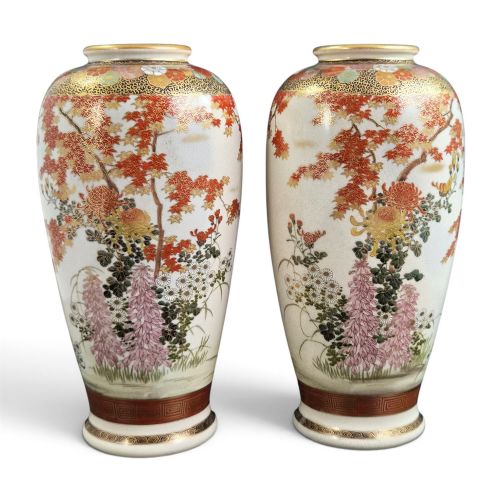
Antique floral ceramics encompass handpainted bowls, vases and tableware spanning eighteenth-century English factories to Meiji period Japanese export wares.
Antique Floral Ceramics
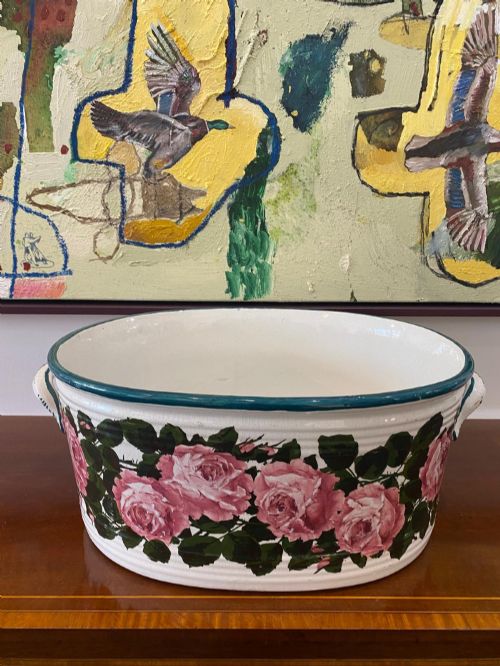
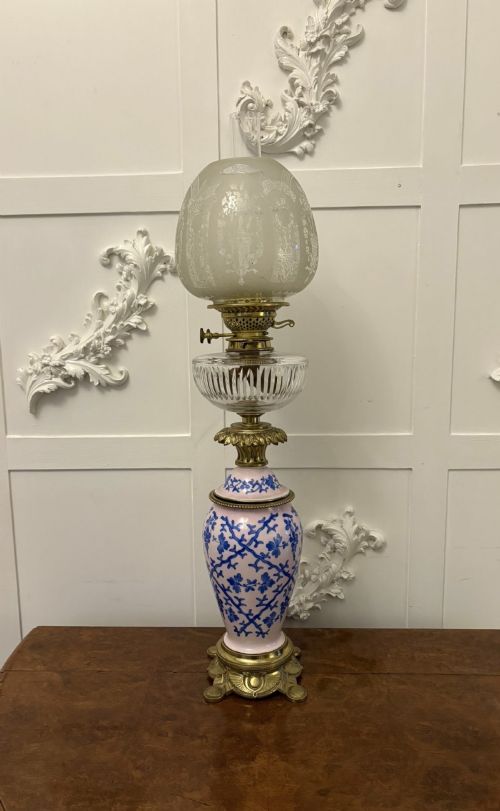
Antique floral ceramics include functional and decorative vessels adorned with painted, glazed or tube-lined botanical motifs. These pieces span the eighteenth, nineteenth and early twentieth centuries, originating from English factories, continental makers and Asian kilns.
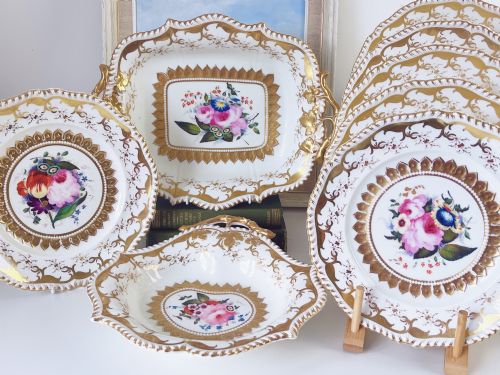
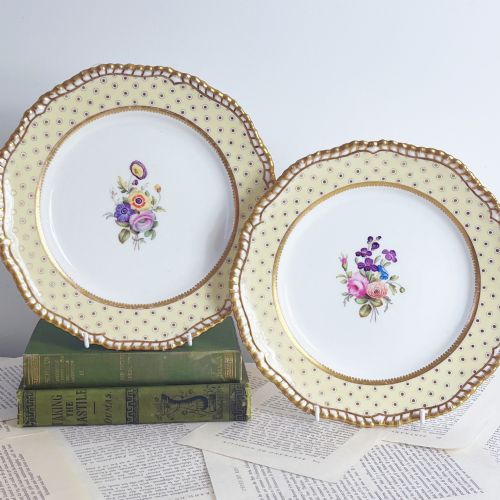
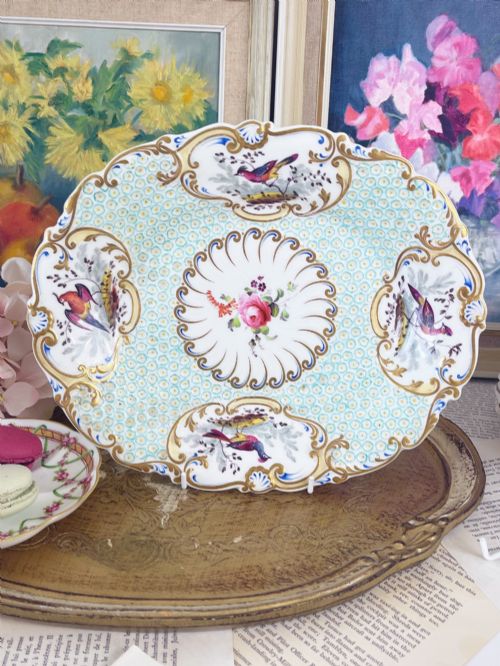
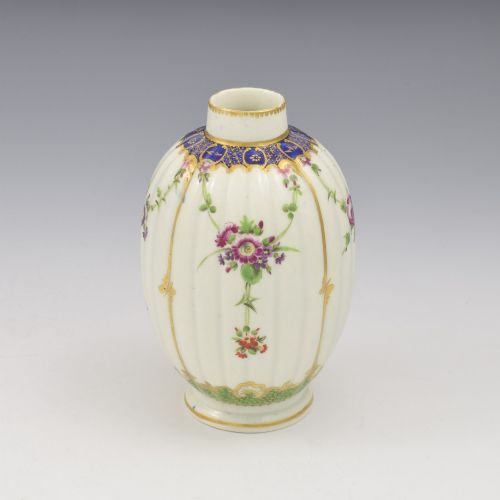
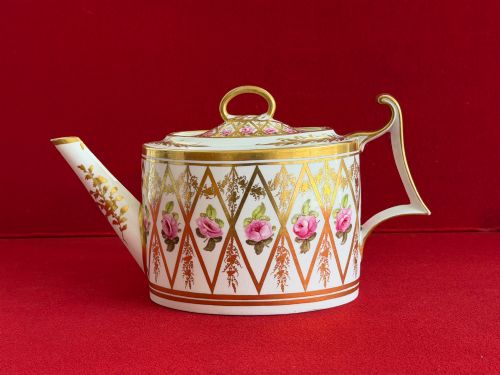
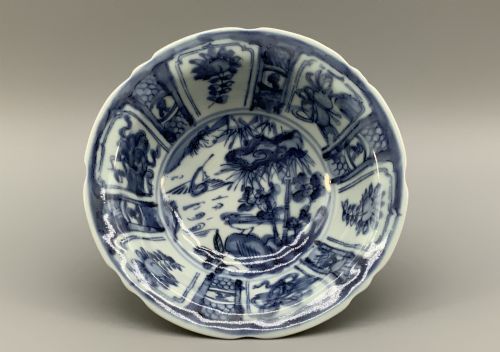
Vases, dessert services, teapots and chargers form the majority of the selections on this page. English porcelain and earthenware from periods such as the Georgian and Regency eras sit alongside Japanese Imari wares and Chinese blue and white porcelain.
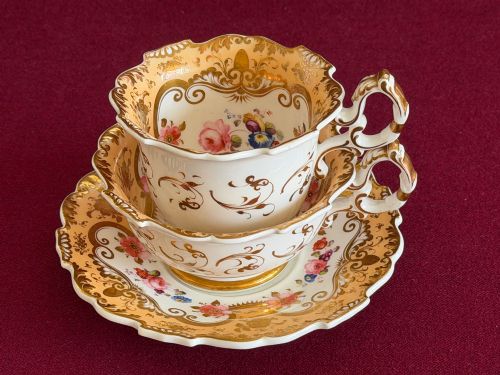
Buyers encounter domestic tea wares painted with naturalistic garden flowers alongside robust stoneware jugs and large display chargers. The common thread is the botanical decoration applied across diverse ceramic bodies and glazes.
How they were made
Makers utilised porcelain, earthenware and stoneware bodies, shaping them on the potter's wheel or casting them in moulds before firing. Glazes such as tin enamel or clear lead-based finishes provided a smooth surface for subsequent decoration.
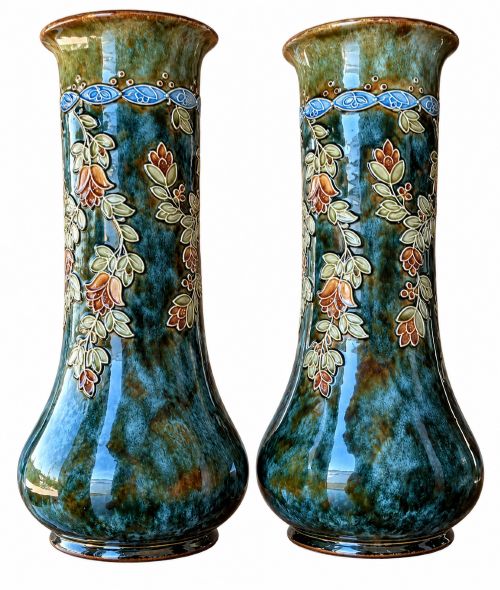
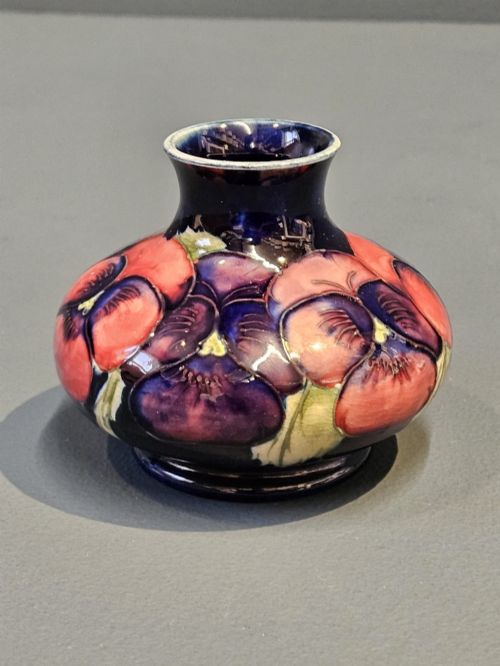
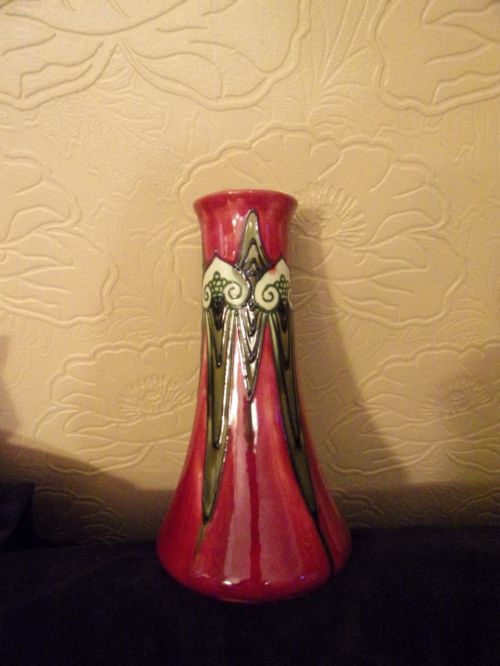
Painting was executed by hand using polychrome enamels and underglaze blue pigments, sometimes enhanced with gold leaf and gilding. Techniques like tube-lining, seen in later Arts and Crafts pieces, created raised clay outlines to contain coloured glazes.
Listings feature ceramics spanning the eighteenth to the early twentieth centuries, utilising porcelain, earthenware and stoneware.
What varies in quality
The refinement of the painted botanical detail distinguishes standard production from superior examples. Master painters achieved subtle shading and botanical accuracy on porcelain bodies, whereas lesser pieces show repetitive, stencil-like application.
The weight, translucency and purity of the ceramic body itself indicate workshop standards. Finely potted porcelain and well-balanced stoneware forms require greater technical skill than thick, heavy earthenware.
Royal Doulton·Grainger Lee and Company·Spode·Flight Barr and Barr·Moorcroft·H and R Daniel·Dr Wall Worcester·Derby Porcelain·Newhall
The Antique Floral Ceramics Glossary
- Tube-lined
- A decorative technique where a thin line of liquid clay is squeezed onto the ceramic surface to form compartments for enamel colours. This method creates a raised outline effect popular in later periods.
- Imari
- A style of Japanese export porcelain characterised by a palette of underglaze blue, iron red, and gilt highlights. The designs typically feature floral and brocade patterns.
- Creamware
- A refined earthenware developed in England during the eighteenth century, possessing a pale yellow or cream-coloured glaze. It offered a lighter, more delicate alternative to heavier utilitarian pottery.
- Sweetmeat dish
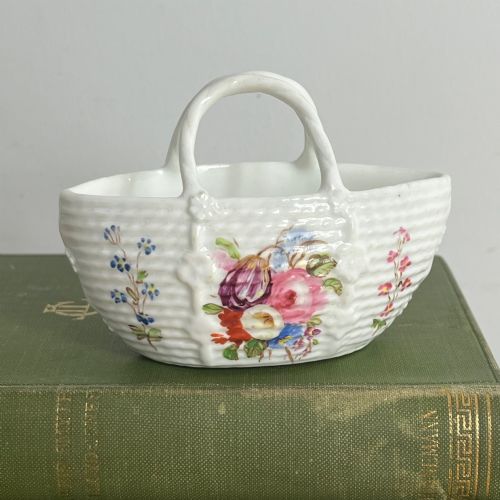
- A small compartmented or shaped vessel designed for serving confectionery, nuts, or sweetmeats during dessert courses. These pieces often feature moulded botanical relief work or handpainted floral sprays.
- Polychrome
- Decoration employing multiple distinct colours, typically applied over or under the glaze. In floral ceramics, this refers to naturalistic palettes depicting leaves and blossoms.
Antique Floral Ceramics: Frequently Asked Questions
Are these pieces safe for food use?
Most antique ceramics feature lead-based glazes or vulnerable overglaze enamel painting that can wear away or leach with acidic foods. It is generally advisable to treat them as decorative display items rather than functional tableware.
Enjoy them for their historical craftsmanship and botanical artistry by placing them on surfaces away from heavy daily wear.
How do I distinguish English porcelain from earthenware?
Porcelain is typically harder, thinner and exhibits varying degrees of translucency when held up to a strong light. Earthenware is opaque, more porous, and generally heavier in the hand for its size.
Examination of the unglazed foot rim often reveals the dense, vitrified body of porcelain compared to the more granular texture of earthenware.
What is the difference between underglaze and overglaze painting?
Underglaze decoration is applied directly to the unfired or biscuit ceramic body before a clear glaze is applied and fired at high temperatures. This seals the pigment permanently beneath the glossy surface.
Overglaze painting is applied on top of an already fired and glazed surface, then fixed with a lower temperature second firing, leaving the colours slightly raised to the touch.