
Antique Glazed Pot
An antique glazed pot brings centuries of utilitarian craftsmanship and decorative glaze work directly into modern interior spaces.
Antique Glazed Pot
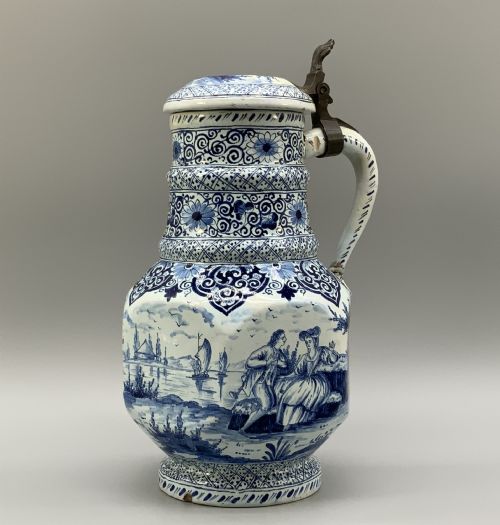
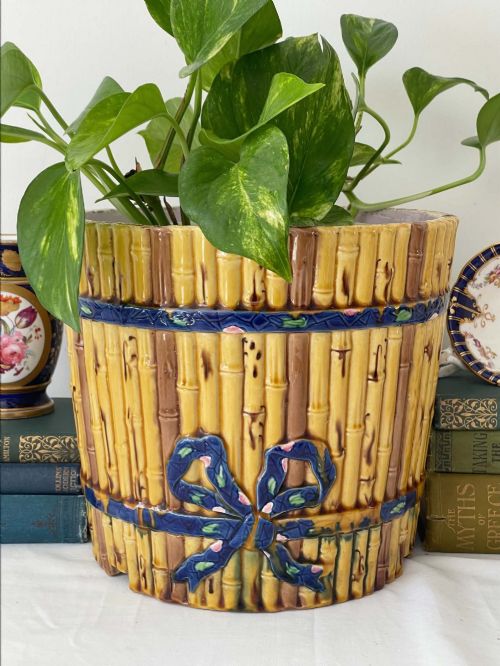
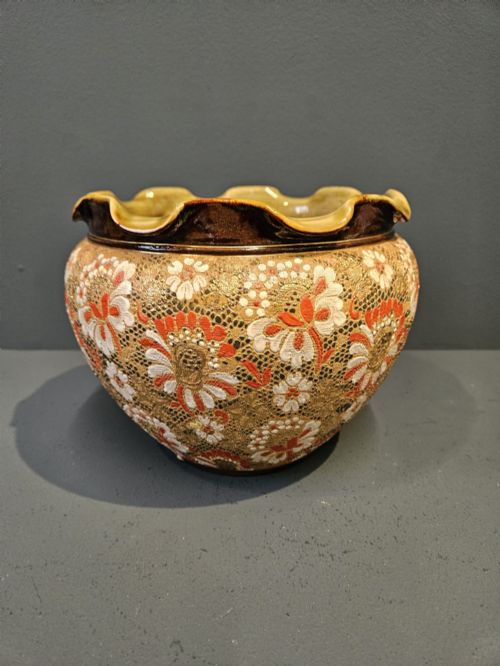
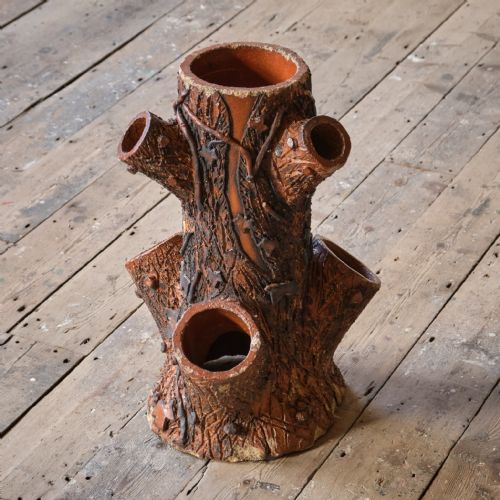
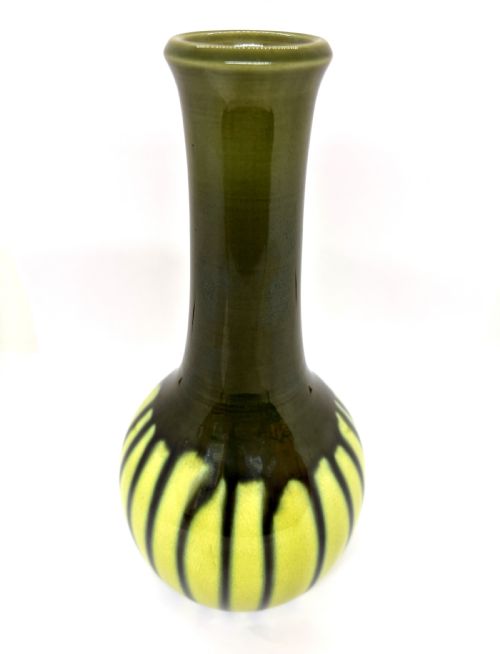
When searching for an antique glazed pot, buyers encounter a diverse selection of utilitarian vessels, storage jars, and decorative planters spanning multiple centuries. These vessels originate from English, European, and Asian workshops, shifting from functional domestic containers into decorative display pieces.
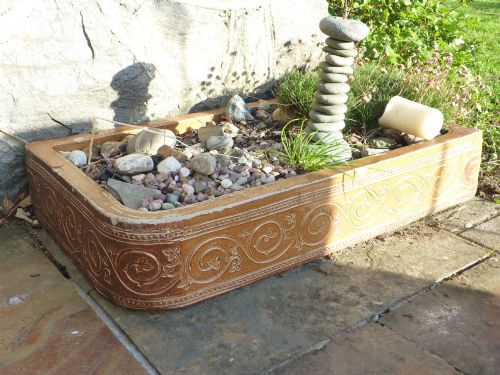
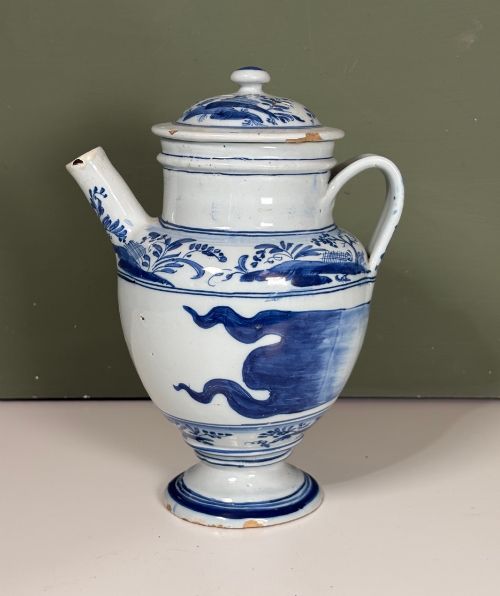
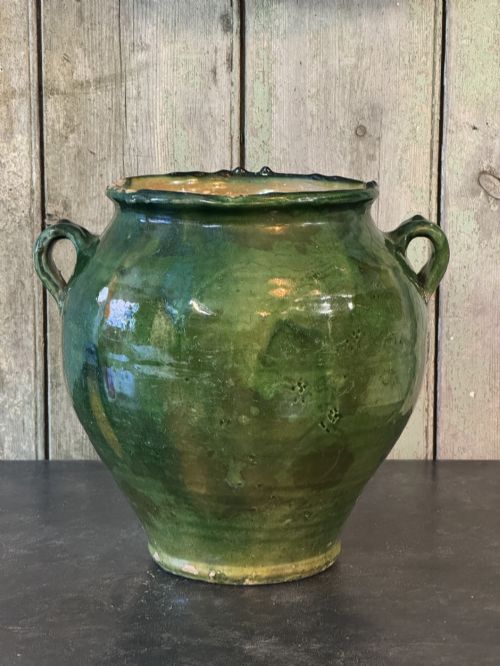
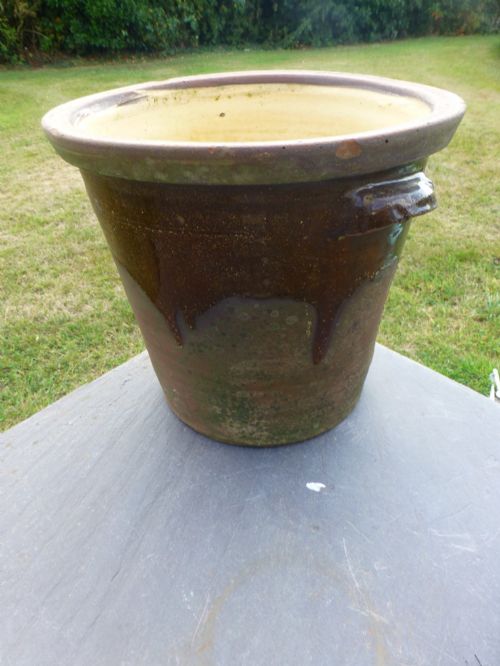
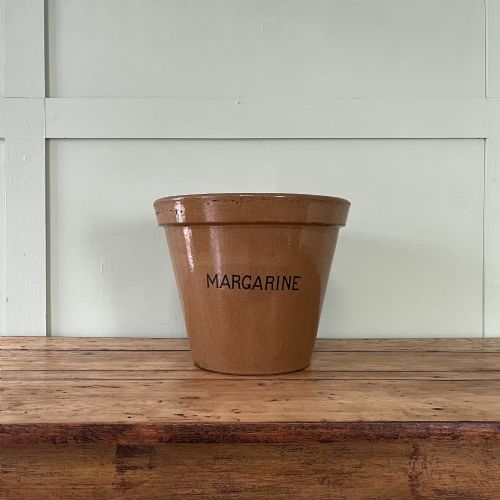
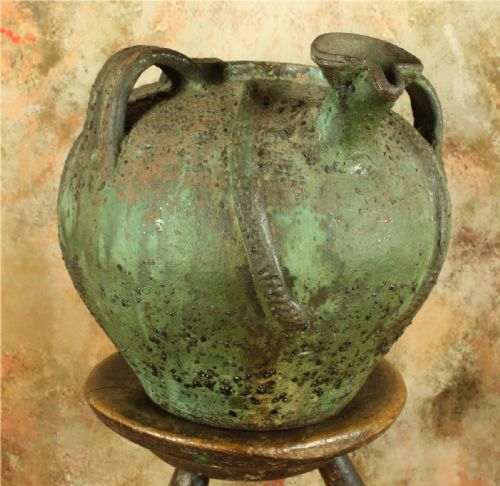
The most common forms on this page include French confit pots, English Delftware apothecary jars, and heavy stoneware garden planters. Ranging from the seventeenth century through the Edwardian era, each vessel reflects the specific domestic or agricultural needs of its original period.
How they were made
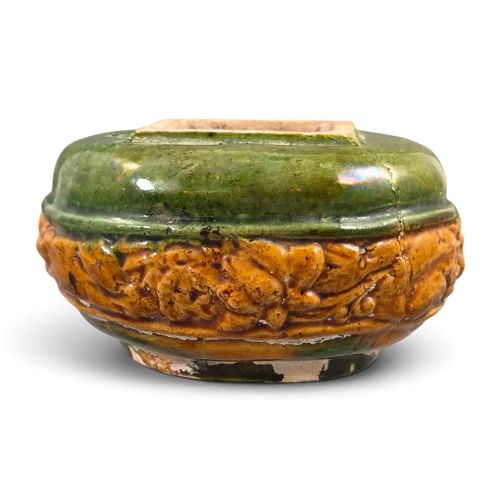
Makers shaped local clays, terracotta, and heavy stoneware on wheels or pressed them into moulds before applying liquid tin, salt, or lead glazes. Firing took place in traditional kilns where fluctuating temperatures produced characteristic surface variations and pooling.
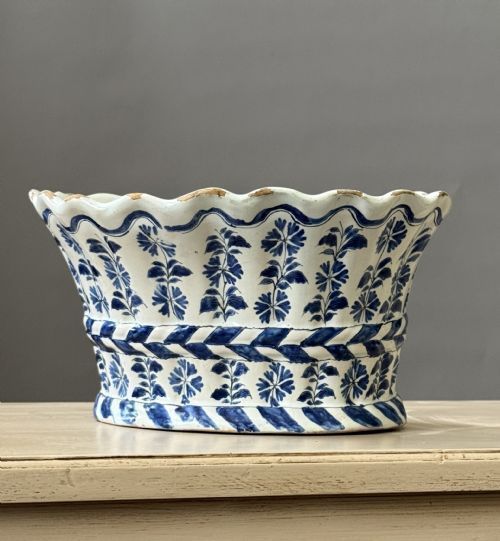
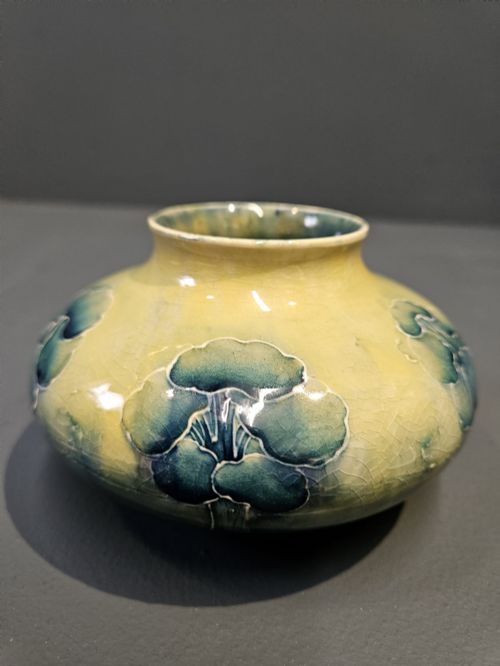
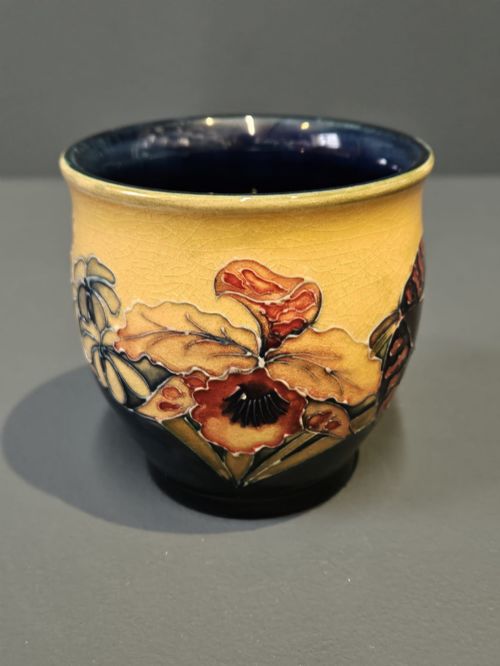
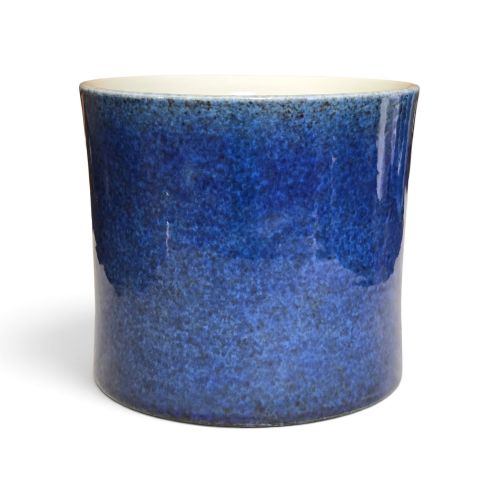
Surface decoration involved hand-painted cobalt pigments, incised plant motifs, or specialised crystalline and flambé glaze chemistry. Potters combined structural durability with chemical colouration to ensure the vessels could hold liquids, oils, and dry goods safely.
Several seventeenth-century jugs carry royal portraits intended to toast monarchs while holding fermented cider.
What varies in quality
Quality depends upon the precision of the throwing, the evenness of the glaze application, and the complexity of any hand-painted or moulded decoration. Superior pieces maintain crisp potting lines and rich, stable glaze surfaces without distracting firing distortions.
The historical significance of the kiln mark, the depth of the colour, and the preservation of the original surface patina separate standard utility vessels from exceptional collector examples. Maker attributions and intact lids also elevate the stature of individual pieces.
Moorcroft·Doulton Lambeth·Burmantoft's Pottery·Royal Doulton·W.A. Adderley
The Antique Glazed Pot Glossary
- Earthenware
- Porous pottery fired at lower temperatures, requiring an applied glaze to become impervious to liquids. It forms the foundation of much traditional domestic European pottery.
- Stoneware
- Dense, vitrified ceramic fired at high temperatures until the clay body itself becomes non-porous. This material withstands heavy wear and chemical contents.
- Tin Glaze
- An opaque white glaze containing tin oxide, providing a smooth surface for hand-painted cobalt decoration. It defines traditional Delftware production.
- Confit Pot
- A French utilitarian earthenware jar featuring a partially glazed interior and upper rim, historically used for preserving and storing meats.
- Salt Glaze
- A finish created by throwing common salt into the kiln during high-temperature firing, producing a distinctive textured surface resembling orange peel.
Antique Glazed Pot: Frequently Asked Questions
How were apothecary jars used?
Apothecary jars held dried herbs, medicinal compounds, and liquid syrups in early pharmacies and dispensaries. Their glazed interiors prevented the porous earthenware from absorbing chemical contents.
Over time, these vessels transitioned from working medical containers into decorative display items prized for their painted drug labels and historical inscriptions.
How do I care for antique pottery?
Display antique pots away from direct sources of heat and rapid temperature fluctuations to protect the fragile ceramic body and historical glaze. Dust them gently with a dry, soft cloth.
Avoid using water or cleaning agents on porous earthenware or pieces with unstable surface patinas, as moisture can penetrate old clay.
What is a confit pot?
French confit pots served as heavy storage vessels in rural farmhouses for preserving cooked meats submerged in fat. Their distinctive side handles allowed workers to lift the heavy containers easily.
Today, collectors value their rich lead glazes and aged earthy patinas as decorative planters or interior centrepieces.