




Rustic Dairy Bowl
These rustic dairy bowls are functional vessels of wood and terracotta that bring honest vernacular utility and warmth into modern homes.
Rustic Dairy Bowl
A rustic dairy bowl is a utilitarian vessel originating from 19th-century domestic farm environments, specifically shaped for traditional milk and cream processing. These pieces span English, Welsh, French, Scandinavian, and Norwegian origins, reflecting local rural traditions across the period.
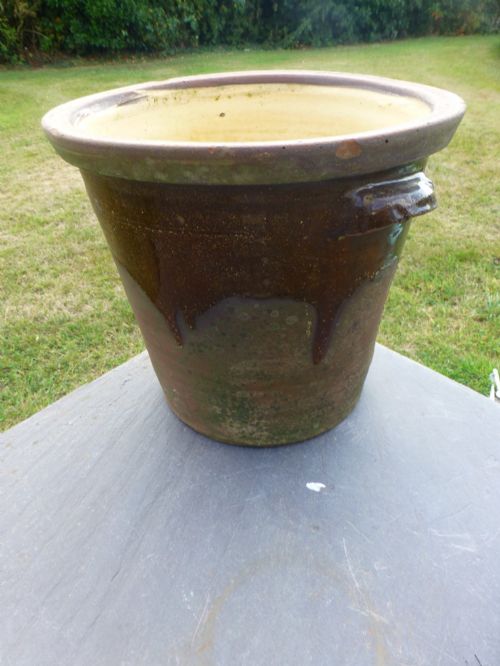
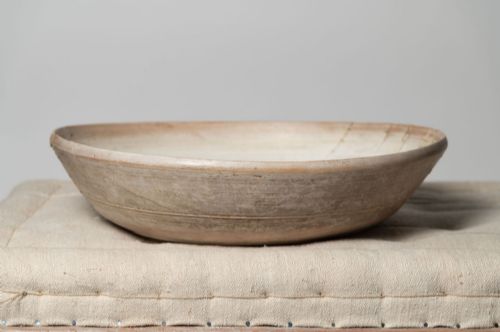
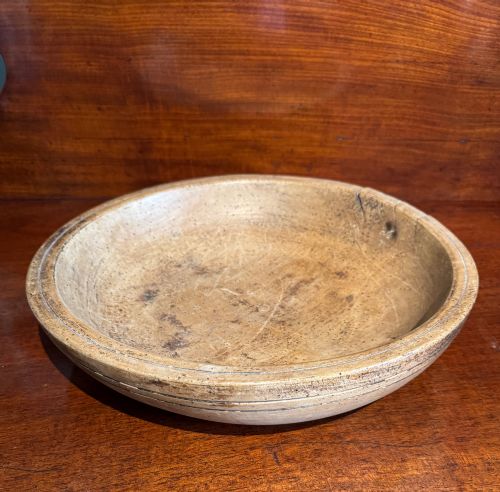
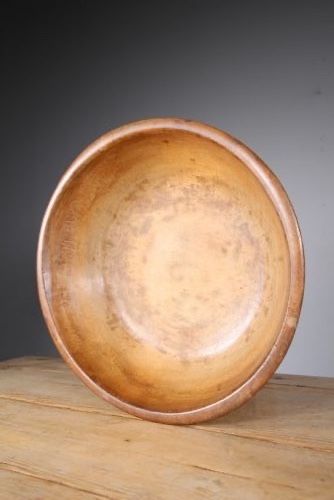
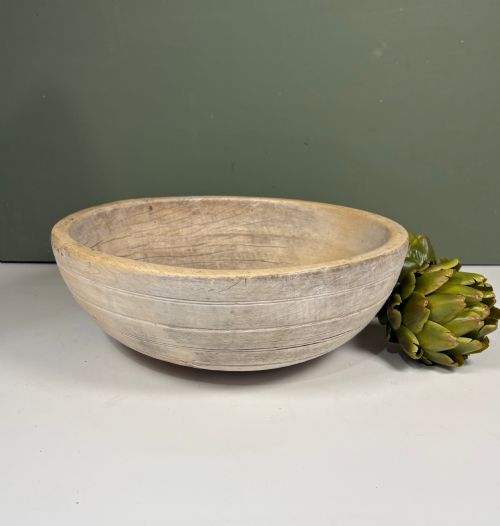
Most examples encountered here are formed from sycamore wood or glazed terracotta, presenting wide, shallow profiles suited for skimming cream. Forms range from simple wooden bowls to specialised items such as strainers, sieves, and salting crocks.
The aesthetic is distinctly vernacular, aligning with rustic farmhouse and provincial styles. They function today primarily as decorative bowls or planters rather than for active dairy work.
Materials and construction
Wooden examples are turned from dense timbers like sycamore, utilising the natural grain and stability of the wood for regular handling in damp dairy conditions. These turned wooden bowls often display tool marks and surface variations from historical lathes.
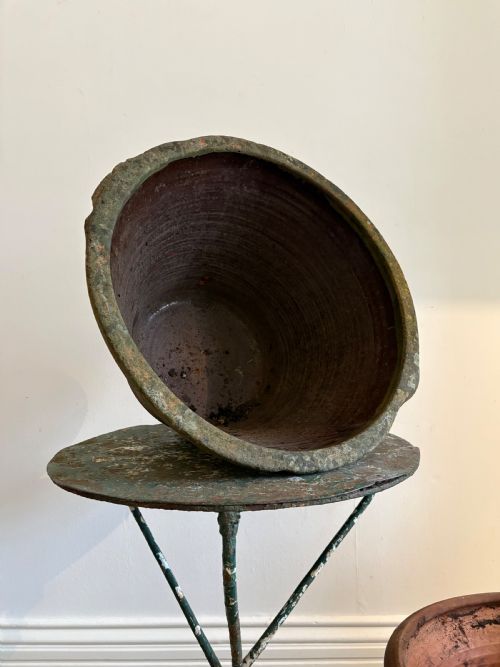
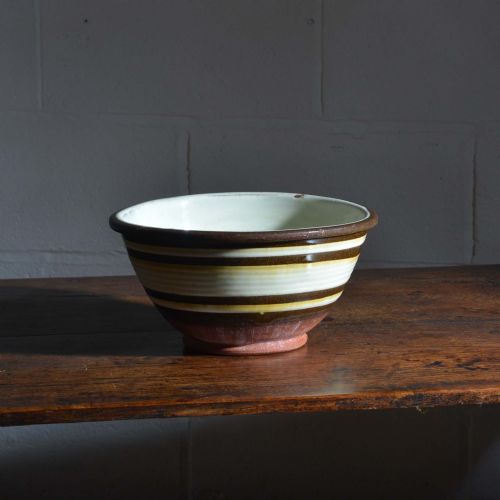
Terracotta versions are shaped from earthenware clay and finished with interior glazes, including slip glazes, to hold liquids safely during milk setting. The combination of porous earthenware bodies and glossy interior surfaces defines the practical manufacturing method of the period.
Listings feature 19th-century periods spanning specific years like 1850 and 1880 alongside broader nineteenth-century origins.
Assessing quality in rural vessels
Quality rests in the integrity of the material and the preservation of original tool work, whether turned wood or thrown terracotta. Superior sycamore bowls retain substantial walls and crisp rims without excessive structural distortion from use.
Glazed earthenware pieces depend on the evenness and richness of the interior slip or glaze, alongside minimal kiln faults. The degree of surviving warm patina on wooden surfaces also separates average examples from those with exceptional visual depth.
The Rustic Dairy Bowl Glossary
- Sycamore
- A dense, light-coloured hardwood frequently selected by rural turners for dairy utensils because it imparts no taste to food and resists splitting. It forms the basis of many traditional British treen items.
- Terracotta
- Fired, unglazed or partially glazed red earthenware used for robust kitchen and dairy vessels. The interior is often coated with a slip glaze to seal the porous clay body.
- Slip glaze
- A liquid clay coating applied to earthenware before firing to produce a smooth, impervious interior surface. North Country examples frequently employ this technique.
- Treen
- Small handmade wooden objects for domestic use, turned or carved from local timber. These items include bowls, ladles, and strainers.
Rustic Dairy Bowl: Frequently Asked Questions
What were rustic dairy bowls used for?
These vessels were utilised in nineteenth-century dairies to hold freshly milked milk while the cream separated naturally toward the surface.
Once skimmed, the cream was often churned into butter, leaving the skimmed milk for other domestic or agricultural purposes.
How do I clean a wooden dairy bowl?
Clean wooden pieces gently using warm water and mild soap, avoiding prolonged soaking that can raise the grain or crack the timber.
Dry the bowl immediately with a soft cloth and occasionally treat the wood with food-safe mineral oil to preserve the patina.
Are terracotta dairy bowls waterproof?
The interior surfaces of these terracotta bowls feature a functional glaze that holds water safely for short periods, such as when used as planters.
The exterior terracotta body remains porous, however, meaning moisture can slowly permeate the unglazed clay walls over time.
How can I tell English from Scandinavian bowls?
English and Welsh examples frequently employ turned sycamore with distinct interior profiles suited to local dairy practices. Scandinavian pieces often incorporate regional stylistic touches and distinct wood-turning traditions from the nineteenth century.