



French Country Bowl
A french country bowl brings honest provincial utility and weathered warmth into a modern room.
French Country Bowl
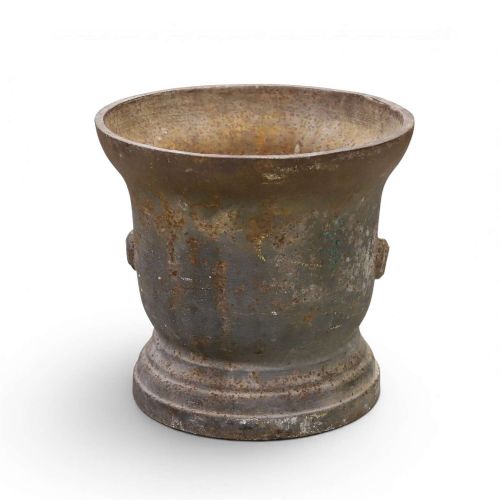
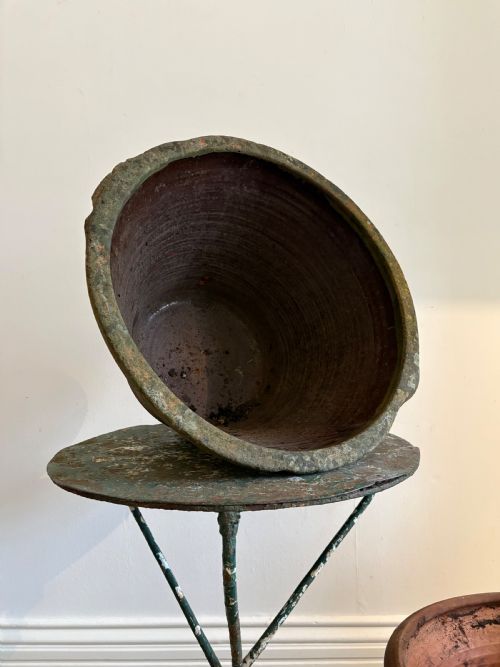
The term french country bowl covers a diverse array of utilitarian kitchenware, dairy vessels, and heavy mortar pieces rooted in rural domestic life. Buyers searching for a french country bowl usually encounter robust earthenware tian vessels, wooden dough bowls, and heavy cast iron mortars designed for daily labour.
Most examples found on this page trace back to the nineteenth century, with older eighteenth-century pieces and Edwardian items appearing alongside provincial styles. These items range from large glazed terracotta dairy bowls to sycamore kneading troughs and enamel kitchenware.
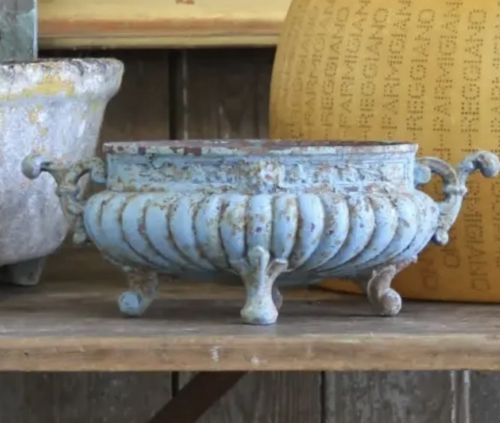
Forms vary from shallow washing basins and preserving pans to monumental apothecary mortars and garden jardinieres. Each object reflects the practical needs of old farmhouses, chateaux, and village kitchens across the French provinces.
Materials and construction
Makers shaped these utilitarian objects from honest, durable materials suited to heavy rural work, including terracotta, sycamore, cast iron, and earthenware. Terracotta and earthenware vessels often received internal glaze to hold liquids and dairy products safely.
Woodturners and carpenters fashioned dough bowls and dairy vessels from solid sycamore, working green wood or seasoned timber by hand. Foundry workers cast heavy iron mortars and jardinieres in sand moulds, leaving tactile surface textures that endure today.
Materials represented include cast iron, terracotta, earthenware, marble, stone, and sycamore.
Distinguishing quality in provincial ware
Quality in a french country bowl rests upon the depth of its working patina and the integrity of its original form. Pieces that display honest wear from decades of agricultural or culinary use carry greater visual weight than sterile examples.
The thickness of the terracotta, the richness of the green or clear glaze, and the heft of cast iron elements separate standard utility items from monumental kitchen vessels. Proportion and balance within hand-turned wooden forms further distinguish better examples.
The French Country Bowl Glossary
- Tian bowl
- A large earthenware or terracotta vessel traditionally used in the South of France for food preparation, washing, or mixing. These pieces frequently feature a rich green glaze and broad rim.
- Dairy bowl
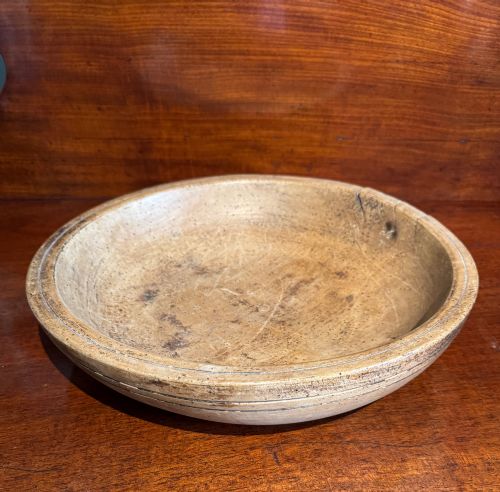
- A wide, shallow vessel utilised on farms for settling milk and separating cream from the curd. They are commonly made from terracotta with glazed interiors or carved from solid sycamore.
- Dough bowl
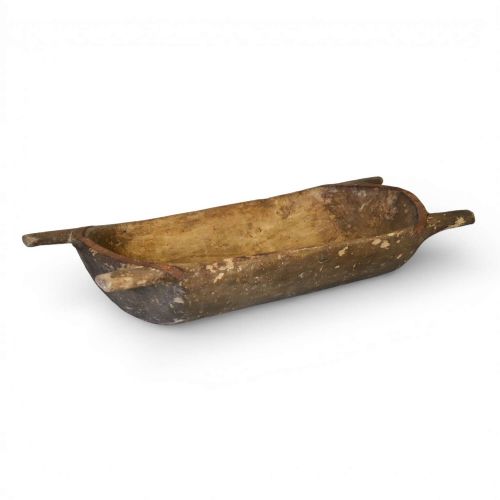
- A long wooden trough, often carved from sycamore, used by bakers for kneading bread dough in farmhouses. Their deep sides and worn interiors reflect generations of domestic use.
- Mortar
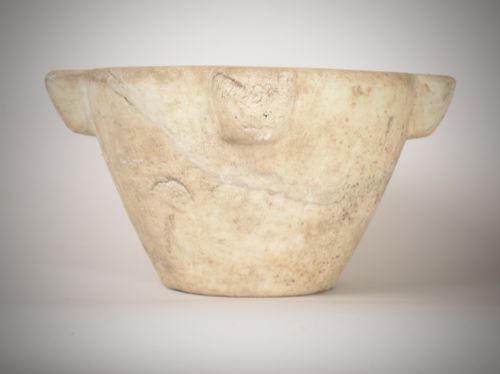
- A heavy vessel made from cast iron, stone, or marble, designed for grinding herbs, spices, or apothecary ingredients with a pestle. Eighteenth-century examples often display robust cast handles and substantial walls.
- Faience
- Tin-glazed earthenware produced in France, known for its opaque white surface and painted decoration. It represents a more refined domestic ceramic tradition than coarse provincial terracotta.
French Country Bowl: Frequently Asked Questions
What were these bowls used for?
These vessels served fundamental roles in rural households, from kneading bread dough and setting milk to preserving fruit and grinding culinary or medical ingredients.
Larger forms functioned as washing basins or garden planters, reflecting an era when household items required immense durability and multipurpose utility.
How do I style a french country bowl at home?
Large terracotta tian bowls and wooden troughs work well placed on farmhouse tables, sideboards, or kitchen islands as central display objects. You can leave them empty to showcase their weathered surfaces or fill them with seasonal fruit, gourds, or dried botanicals.
Cast iron mortars and smaller basins suit open shelving or kitchen worktops, adding tactile weight and historic character to contemporary or rustic interiors.
How do I tell an 18th century bowl from a 19th century one?
Earlier eighteenth-century pieces, particularly cast iron mortars, often exhibit heavier casting marks, specific dated maker foundry characteristics, and thicker proportions shaped by older foundry techniques.
Nineteenth-century examples tend toward greater variety in regional glazes and lighter utility forms, while retaining hand-shaped irregularities distinct from mass-produced modern kitchenware.
Are these bowls waterproof?
Many terracotta and earthenware pieces feature interior glazing specifically designed to hold liquids during dairy work or food preparation. However, centuries of use and hairline ageing mean unglazed areas or older wooden dough bowls may absorb moisture.
It is wise to test porous materials before using them to hold water directly on finished furniture surfaces, or utilise a discreet inner container.