


Antique Glazed Earthenware
Antique glazed earthenware brings tactile weight and historic surface richness to any room, offering tangible links to centuries of domestic and decorative pottery traditions.
Antique Glazed Earthenware
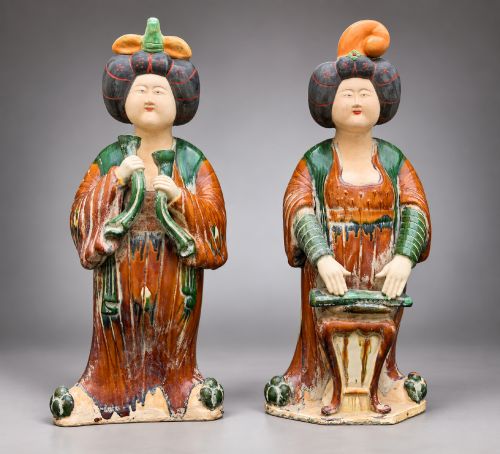
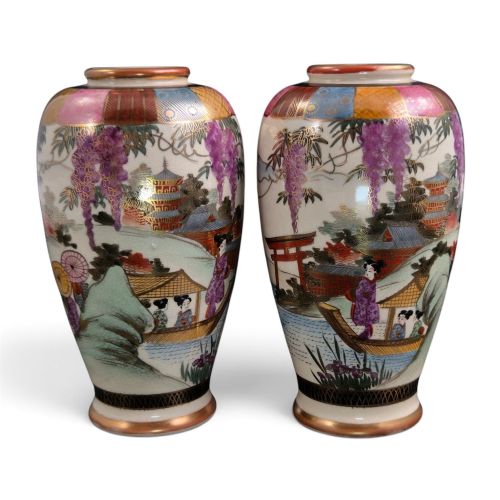
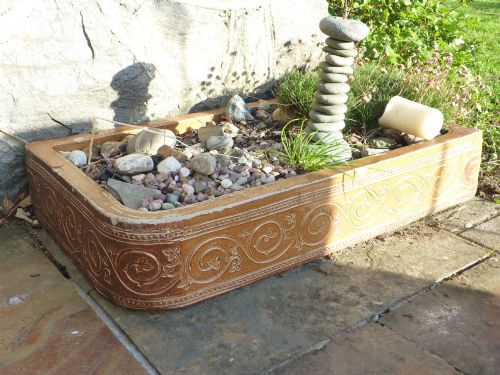
When you search for antique glazed earthenware, you encounter a diverse array of utilitarian and decorative forms shaped from clay and finished with protective or ornamental coatings. The pieces appearing in these listings span centuries of firing tradition, moving from robust storage vessels and dairy bowls to ornamental vases, chargers, and figural groups.
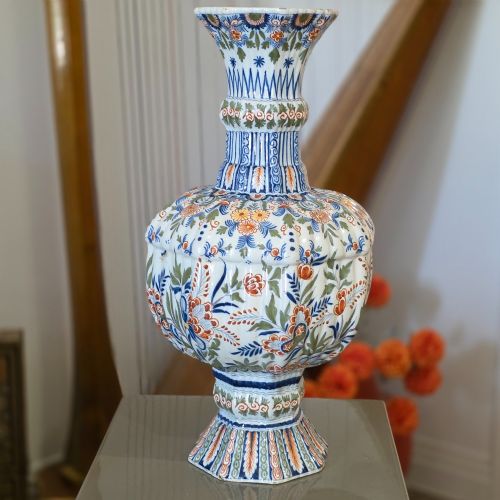
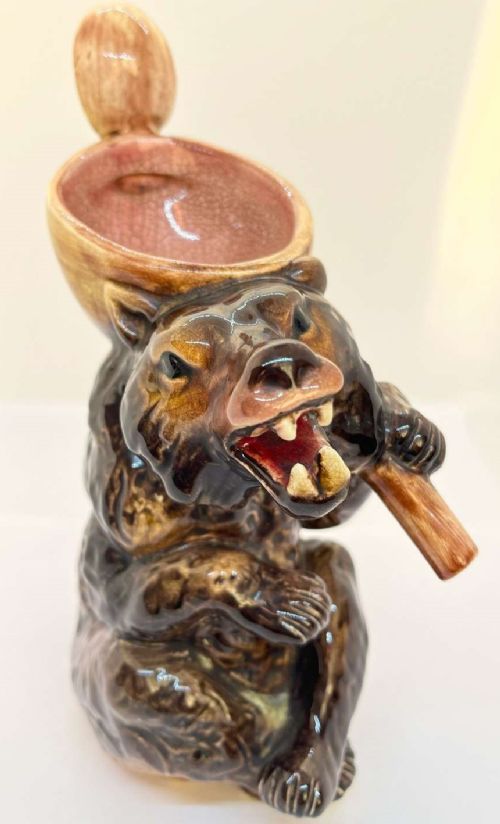
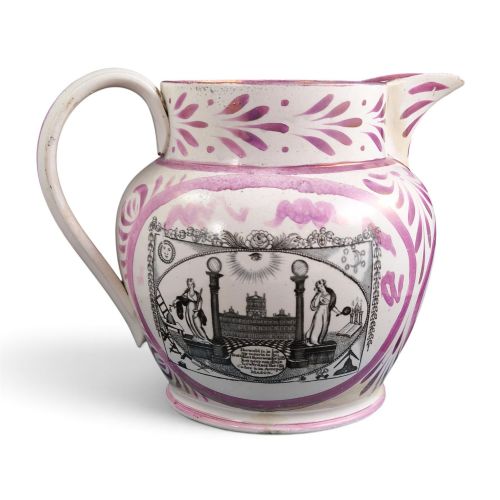
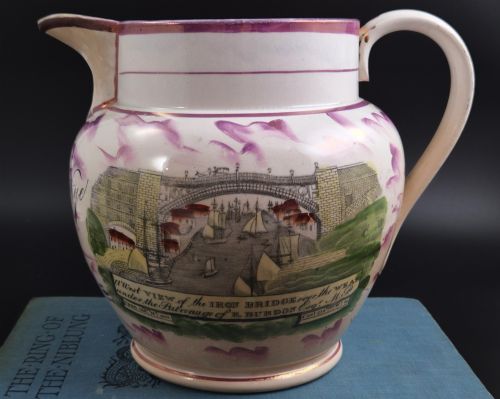
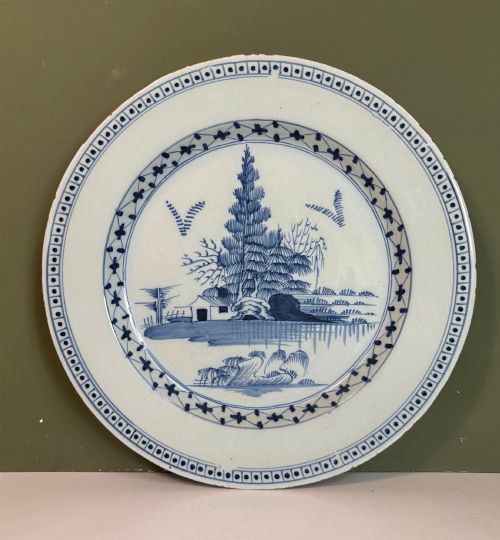
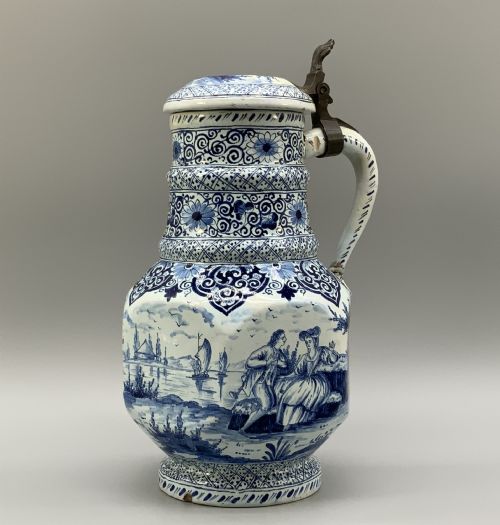
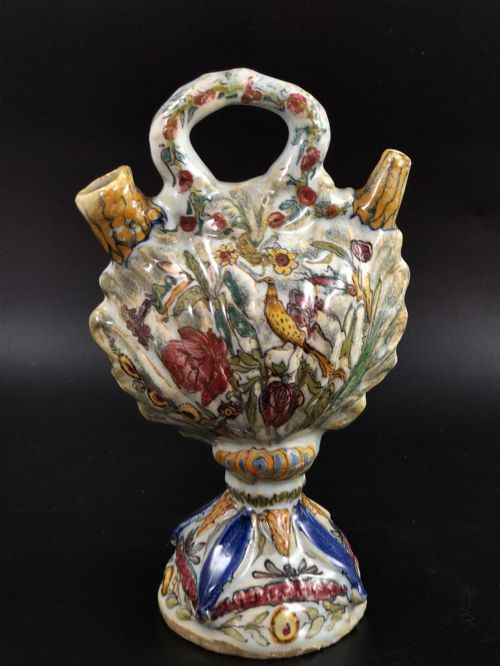
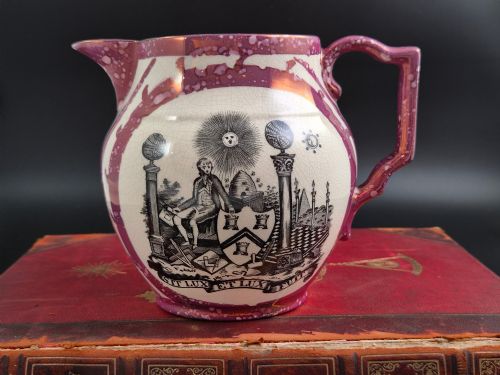
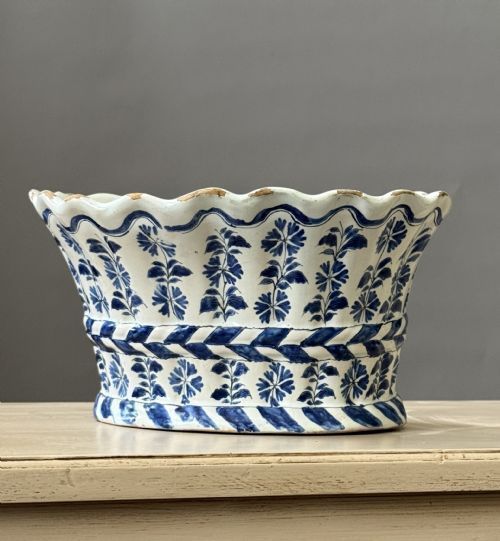
The 18th century is represented by tin-glazed chargers, apothecary jars, and bough pots with blue and white decoration, alongside creamware plates. Moving into the 19th century and the Victorian era, the selection expands to include lustre jugs featuring maritime and Masonic prints, Majolica table services and jardinieres, faience vases, and Staffordshire figures.
Production methods and aesthetic choices evolve across these periods, encompassing Dutch Delftware, French faience, Italian Majolica, and British earthenwares from potteries such as Wedgwood, Minton, and Staffordshire. Buyers find everything from large confit pots and terracotta wine jars to delicate spill vases and cabinet vessels.
How they were made
Potters shaped local clays or refined terracotta on the wheel or pressed them into moulds to create forms like jugs, pitchers, jars, and figures. Once shaped and dried, the ceramic body received an initial bisque firing to stabilise the clay before the application of surface decoration and glazes.
Glazing methods defined the final appearance, utilising tin glaze for an opaque white ground suited to hand-painted cobalt designs, or transparent lead and salt glazes to seal porous earthenware bodies while highlighting underlying slips and lustres. Enamels were frequently painted over the fired glaze and subjected to a subsequent low-temperature kiln firing to fix the colours.
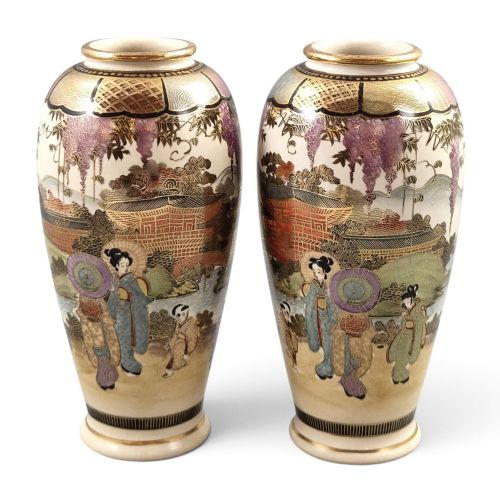
Listings feature earthenware spanning the 18th, 19th, and early 20th centuries, including Victorian Staffordshire figures and Dutch delftware.
What varies in quality
The refinement of the ceramic body and the precision of the moulding dictate the baseline standard of a piece, distinguishing crisply rendered Staffordshire figures or architectural majolica from heavy, utilitarian dairy crocks. Finer items exhibit balanced proportions, stable potting, and careful smoothing of the clay before glazing.
Surface execution forms the most significant differentiator, separating standard commercial production from masterworks painted with confident brushwork, rich lustre application, or intricate tin-glazed detailing. The depth of the glaze, the stability of the colours through the kiln firing, and the preservation of hand-painted or printed details determine the visual impact of the object.
Moorcroft·Wedgwood·Minton·Cantagalli
The Antique Glazed Earthenware Glossary
- Tin Glaze
- A ceramic glaze made opaque by the addition of tin oxide, providing a smooth white background for painted decoration.
- Majolica
- A type of earthenware decorated with opaque coloured glazes over a tin-glazed surface, widely produced during the 19th century by factories such as Minton and Wedgwood.
- Lustreware
- Earthenware finished with a metallic glaze that produces an iridescent sheen, often created using copper or silver compounds.
- Charger
- A large decorative plate intended for display on a wall or dresser rather than for dining use.
- Faience
- European tin-glazed earthenware, historically associated with French and Dutch production centres.
Antique Glazed Earthenware: Frequently Asked Questions
What is antique glazed earthenware?
Antique glazed earthenware comprises pottery items formed from clay, fired, and coated with a vitreous layer to render them non-porous and decorative. The category includes everything from utilitarian kitchen storage vessels to highly ornamental display pieces.
These ceramics reflect the domestic needs, artistic movements, and technical capabilities of the periods in which they were manufactured, ranging from early tin-glazed wares to Victorian Majolica.
How were tin-glazed earthenware pieces decorated?
Tin-glazed pieces typically received an opaque white glaze layer onto which pigments, such as cobalt blue, were hand-painted directly before a final firing. This technique allowed artists to create detailed pictorial scenes and intricate border patterns.
The resulting surface absorbed the pigments slightly, producing soft edges around the painted motifs that characterise traditional delftware and faience.
How do I care for antique earthenware?
Antique earthenware requires gentle handling and protection from sudden temperature changes to prevent stress on the ceramic body and historic glazes. Dusting with a soft, dry cloth is usually sufficient for regular maintenance.
Cleaning with water should be approached with caution, particularly for pieces with old repairs, unglazed areas, or delicate overglaze enamel decoration, which can be sensitive to moisture.
How can I tell different periods apart?
Differentiating periods relies on observing stylistic markers, manufacturing techniques, and the composition of the ceramic body and glaze. Pieces from the 18th century often exhibit tin-glazing and hand-painted blue motifs, while 19th-century items frequently display moulded relief work, colourful majolica glazes, or transfer-printed lustre.
Maker's marks, impressed dates, and backstamps where present provide concrete evidence of manufacturing eras, supplemented by the typical forms popular during specific decades.