


French Provincial Ceramics
These French provincial ceramics are regional earthenware and faience pieces that bring rustic charm and traditional utility to a home.
French Provincial Ceramics
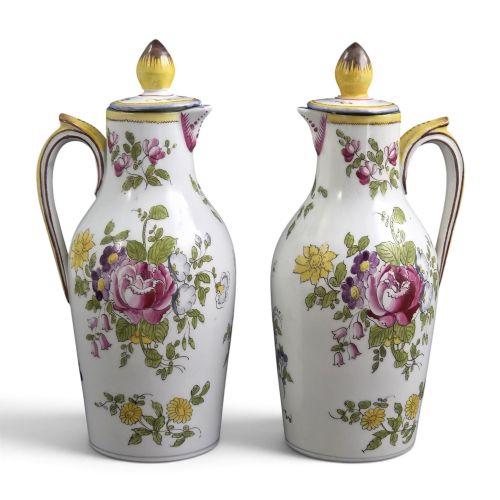
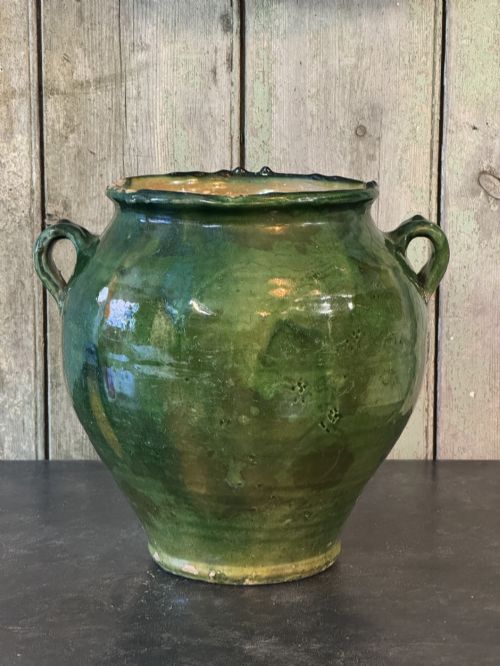
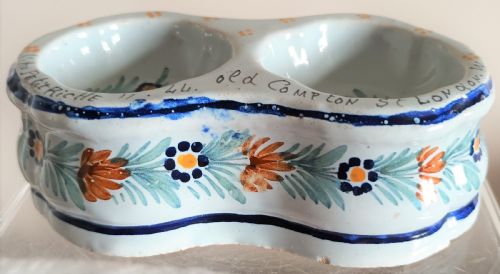
French provincial ceramics encompass a charming variety of utilitarian and decorative items originating from regional workshops across France. When exploring french provincial ceramics, buyers commonly encounter practical vessels such as green confit pots, cream jugs, and large tian bowls alongside decorative items like Quimper faience salts and planters.
The objects span from the eighteenth century through the mid-twentieth century, capturing enduring rural traditions. Pieces range from simple earthenware olive jars to hand-painted faience shoes and dishes bearing regional motifs.
How they were made
Potters utilised local clay bodies, shaping earthenware and terracotta on the wheel or forming them by hand. These porous bodies required protective surfaces to hold liquids safely, leading to widespread application of glazes.
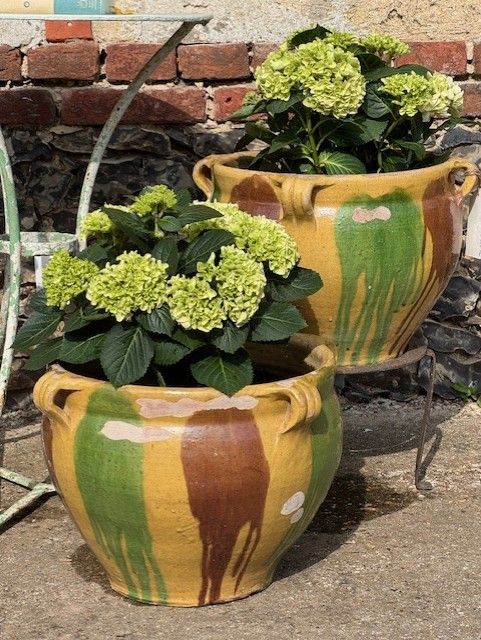
Tin glaze and rich lead-based green glazes provide the characteristic waterproof and decorative finishes seen on these pieces. Some items feature dribble glazes or hand-painted details characteristic of regional faience traditions.
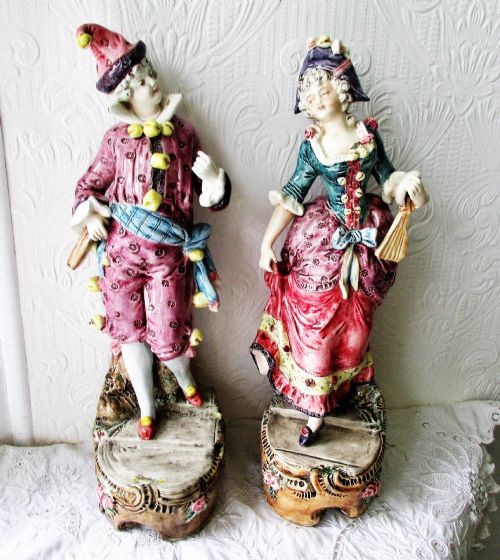
Object forms range from practical confit pots and tian bowls to decorative figurines, planters, and table salts.
What varies in quality
The standard of execution in painting and throwing defines the upper tier of these regional wares. Finely rendered hand-painted details on faience pieces distinguish master workshops from simpler utilitarian production.
The depth and consistency of the glaze application also separate exceptional examples from standard wares. Smooth, lustrous surfaces and well-preserved finishes enhance the visual appeal of confit pots and decorative bowls.
HB Quimper·Desvres·Rouen·Pornic
The French Provincial Ceramics Glossary
- Confit Pot
- A traditional French earthenware jar used for storing and preserving meats. These pots usually feature rich green or honey-coloured glazes and sturdy handles.
- Tian
- A large, wide earthenware basin used in the South of France for food preparation and washing. They often display robust thrown ridges and heavy glazes.
- Sabot
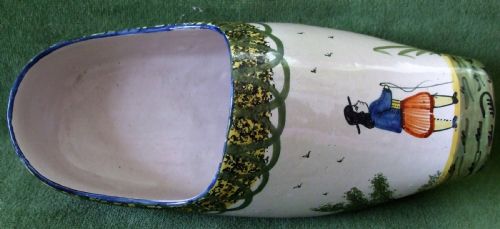
- A traditional wooden shoe shape translated into ceramic form. These decorative items were frequently produced as souvenir pieces in Quimper.
- Terracotta
- Fired unglazed or glazed red clay. It forms the sturdy base for many rustic planters and jars.
French Provincial Ceramics: Frequently Asked Questions
What is a confit pot used for?
Traditional French confit pots were originally utilised to cook and preserve meats such as duck or pork in their own fat. The rich glaze helped contain the contents during long periods of cellar storage.
Today, these jars serve primarily as decorative accents in kitchens and living spaces. Their generous proportions and earthy green glazes make them popular for holding dried botanicals or standing alone as sculptural objects.
How do I identify Quimper faience?
Quimper faience is easily recognised by its distinctive hand-painted folk motifs, often depicting traditional Breton figures in regional costume. The pieces frequently incorporate bright blues, yellows, and greens against a white tin-glazed surface.
Signatures or initials on the base often indicate the specific workshop of origin. These charming ceramic items range from small table salts to decorative shoes and dishes.
Are these ceramics safe for food?
Many older provincial ceramics contain lead in their traditional glazes, making them unsuitable for modern food consumption. They are best reserved for display and decorative purposes around the home.
Using them as planters or dry storage vessels protects the historic surface while allowing you to enjoy their rustic beauty. Gentle cleaning with mild soap and water preserves the antique glaze.
How can I date an old tian bowl?
Dating traditional earthenware relies on observing the potting technique, weight, and wear patterns. Earlier pieces often display irregular thrown lines and heavier earthenware bodies.
Glaze characteristics also offer clues, with eighteenth and nineteenth-century examples showing softer tones and subtle crazing. Comparing form and glaze with documented regional styles helps narrow down the period.