
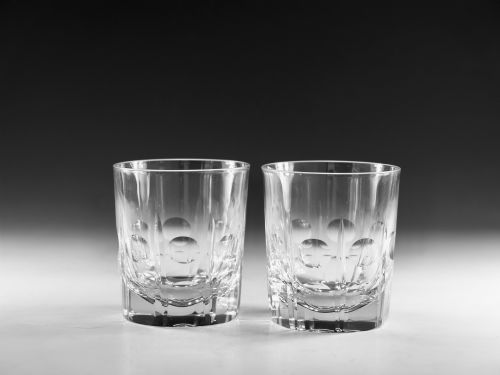
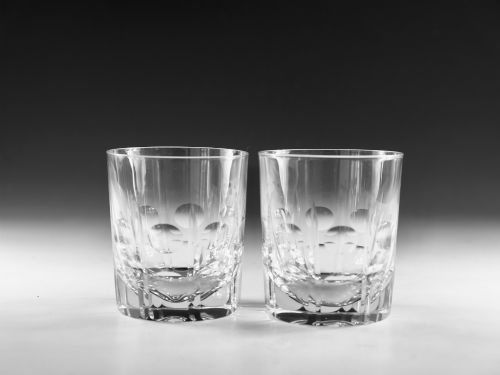
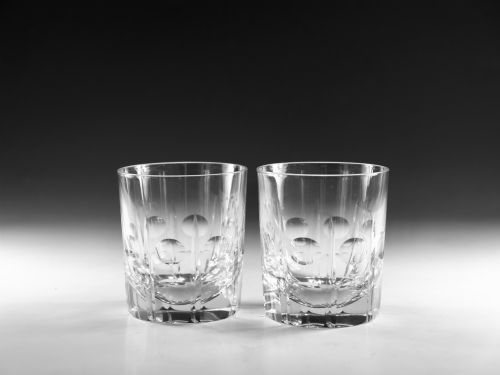
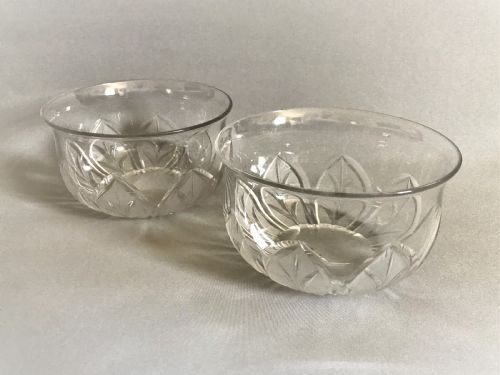
Antique Glassware Pair
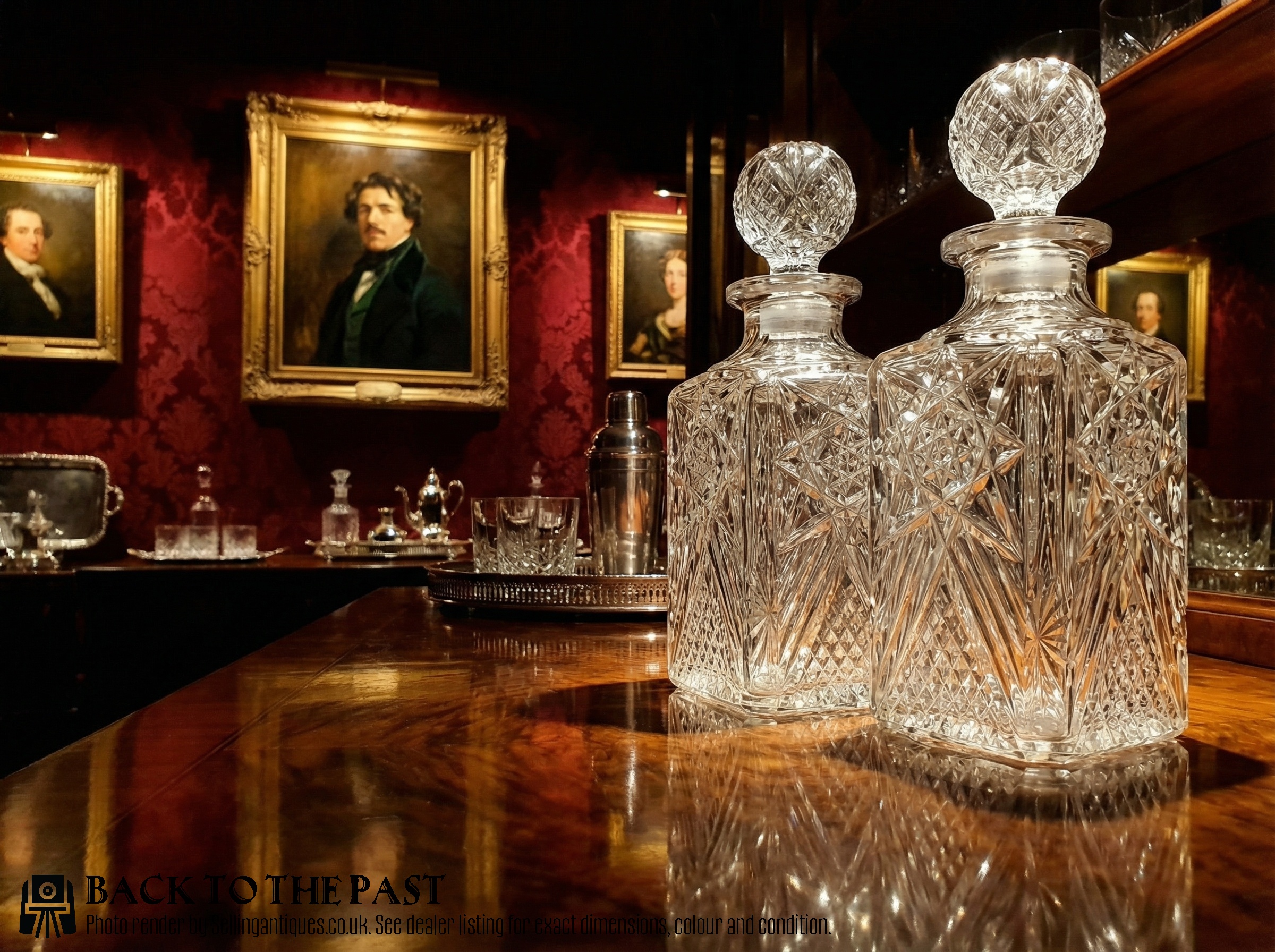
An antique glassware pair offers matching symmetry for the table, bringing period character and decorative balance to daily dining or display.
Antique Glassware Pair
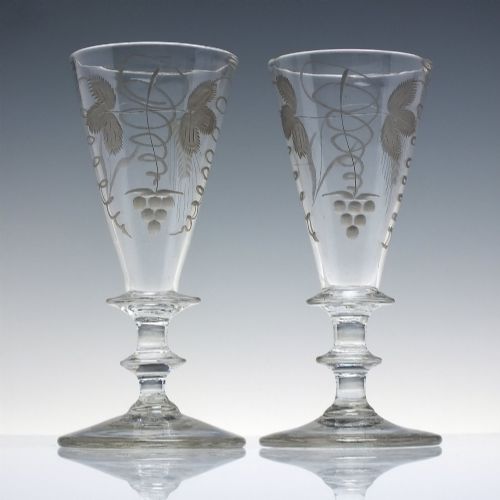
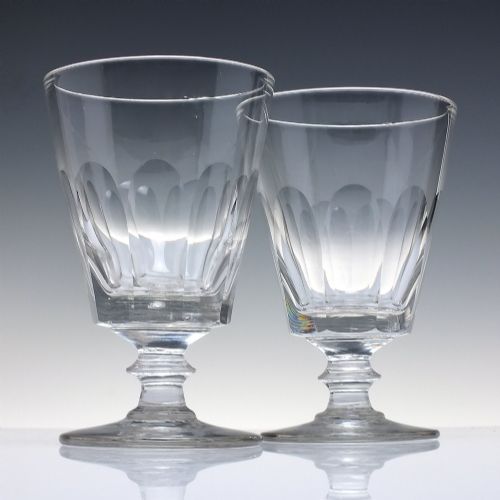
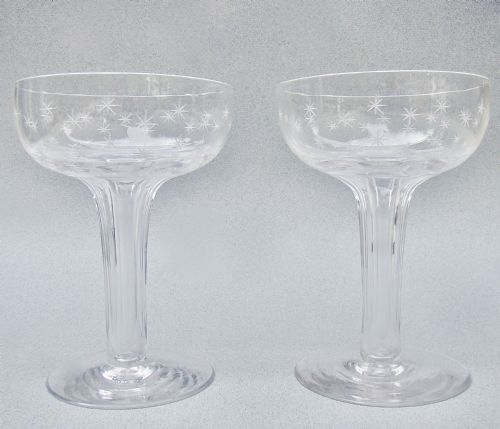
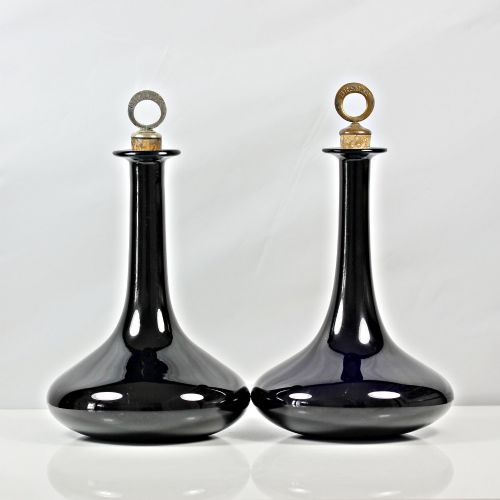
When you search for an antique glassware pair, you encounter matched sets spanning the Georgian, Victorian, and Edwardian eras. These objects range from drinking vessels such as wine glasses, rummers, and champagne coupes to decorative items like decanters, bells, and vases.
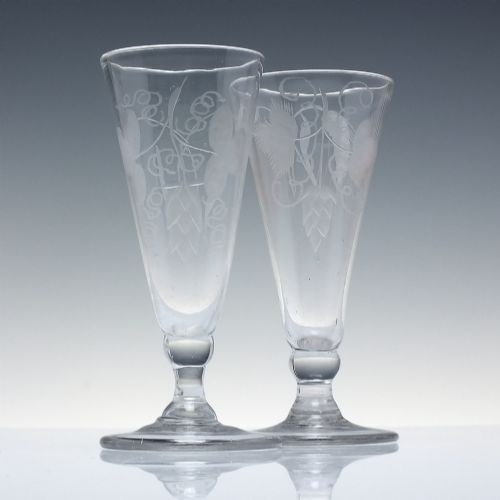
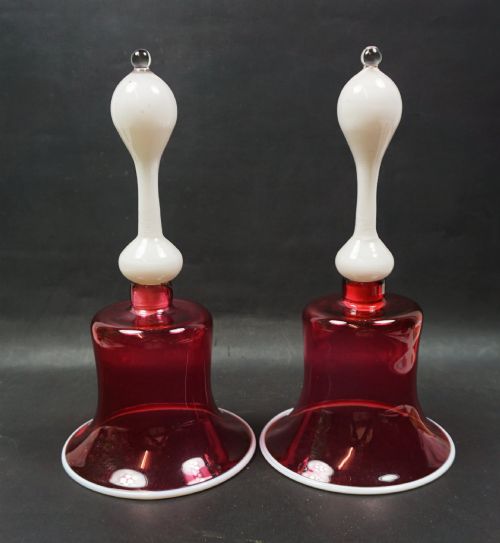
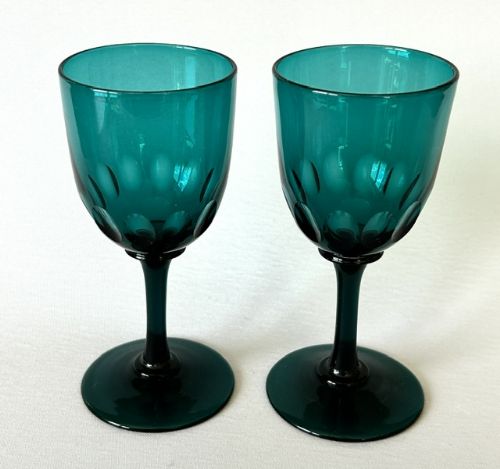
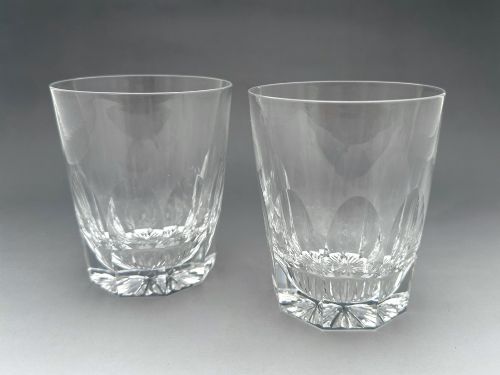
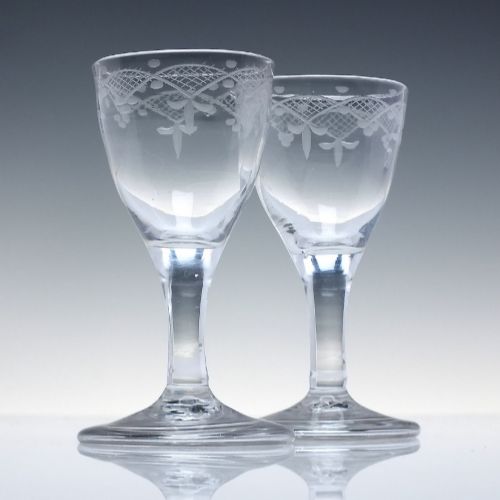
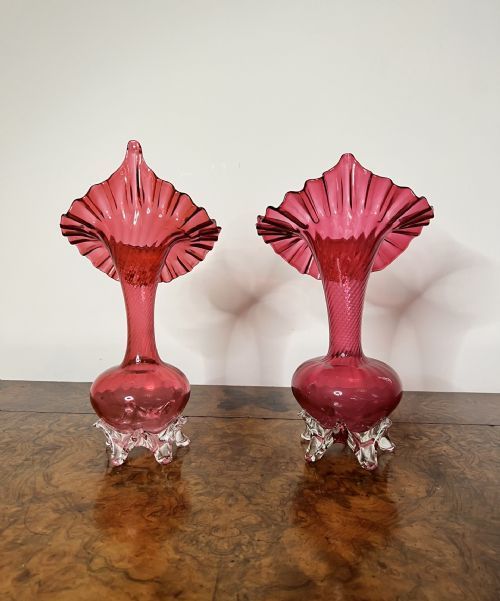
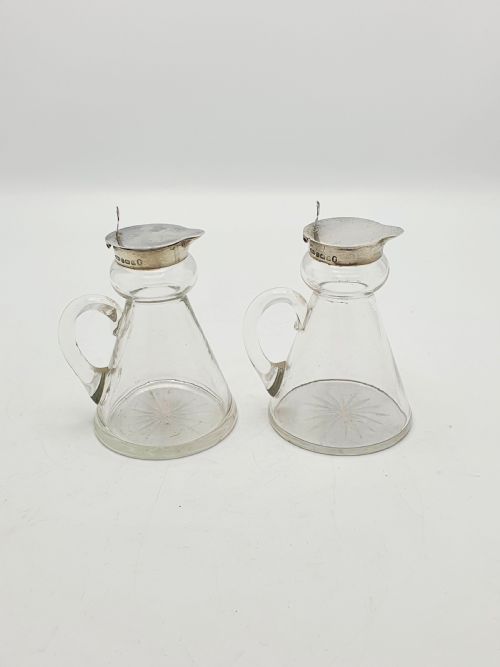
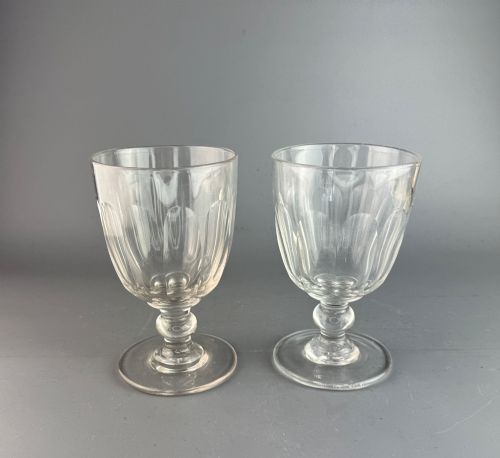
The Victorian period dominates the selection, offering everything from heavy cut glass rummers to jewel-toned wine glasses in green, ruby, and cranberry. Georgian examples tend toward engraved ale and dram glasses with delicate proportions, while early twentieth-century pieces include heavy whisky tumblers and optically blown crystal decanters.
Materials and methods of production
The pieces listed utilise lead glass, clear crystal, and coloured glass, shaped through blowing, moulding, and optical moulding. Makers applied rich hues by introducing metallic oxides to the molten batch, producing deep cranberry, emerald green, ruby red, and Bristol blue tones.
Decoration relied on skilled hand-craftsmanship, including wheel-engraving, star-etching, pillar-cutting, and surface frosting. Some vessels incorporate applied elements such as contrasting white glass handles or rims, alongside delicate gold leaf and gilt detailing.
Listings feature Victorian, Georgian, and Edwardian periods, utilising lead crystal, cranberry glass, gold leaf, and coloured glass across decanters, vases, and wine glasses.
Distinctions in craftsmanship and form
Quality rests in the crispness of the wheel-engraving and the precision of the hand-cutting, where sharper facets and deeper wheel work catch the light cleanly. The balance and weight of the metal itself reveal the maker's skill, particularly in heavier lead crystal rummers and decanters.
The depth and consistency of the coloured glass, alongside the clean application of gilt or gold leaf details, separate standard production from superior examples. Exact matching between the two pieces in dimensions, colour saturation, and decorative motifs dictates the desirability of a pair.
James Powell·Stevens & Williams·Salviati
The Antique Glassware Pair Glossary
- Rummer
- A large, sturdy drinking glass popular in the eighteenth and nineteenth centuries, typically used for ale or wine.
- Lead Crystal
- Glass containing lead oxide, which increases brilliance, weight, and suitability for deep cutting.
- Cranberry Glass
- A rich red-pink glass produced by adding gold chloride to the molten metal.
- Pillar Cut
- A decorative style featuring wide, vertical facets cut into the body of a vessel.
- Optically Blown
- Glass blown into a ribbed or patterned mould to create internal texture before final shaping.
Antique Glassware Pair: Frequently Asked Questions
How were antique rummers used?
Rummers served as robust drinking vessels for ale, cider, and wines during the Georgian and Victorian periods.
Their generous bowl size and sturdy stems made them practical for everyday tavern and domestic dining use.
What is cranberry glass?
Cranberry glass is a distinctive red-pink transparent material created by mixing small amounts of gold into the glass batch.
Victorian makers favoured it for decorative tableware, bells, and glassware pairs.
How do I date Georgian glassware?
Georgian pieces often display heavier lead metal, folded feet on smaller dram glasses, and hand-engraved floral or barley motifs.
Proportions tend to be thick-walled and sturdy compared to later Victorian iterations.
Can I use antique wine glasses?
Many buyers gently use antique wine glasses for special dining occasions, handling them with care due to their age.
Hand-washing is essential to preserve the historic glass and any surface gilding.
What is Bristol blue glass?
Bristol blue is a deep, cobalt-coloured glass traditionally produced in the English port city during the eighteenth and nineteenth centuries.
It frequently appears on decanters and table wares.