

Antique Glass Wine Decanter
An antique glass wine decanter brings weight and clarity to the table, holding centuries of craftsmanship in clear, coloured and cut crystal.
Antique Glass Wine Decanter
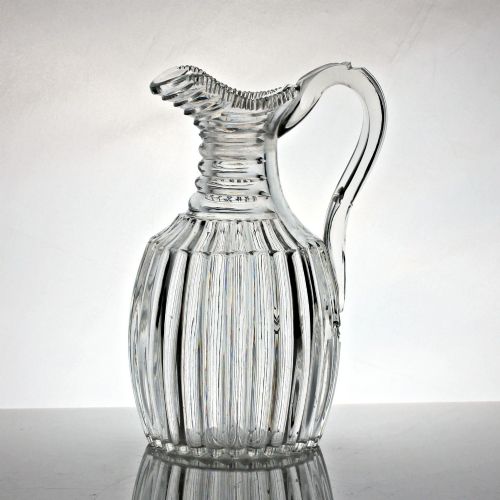
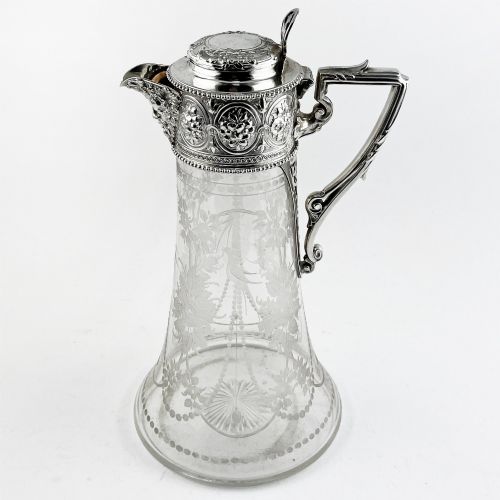
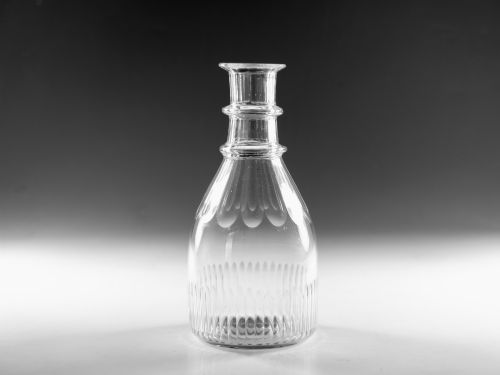
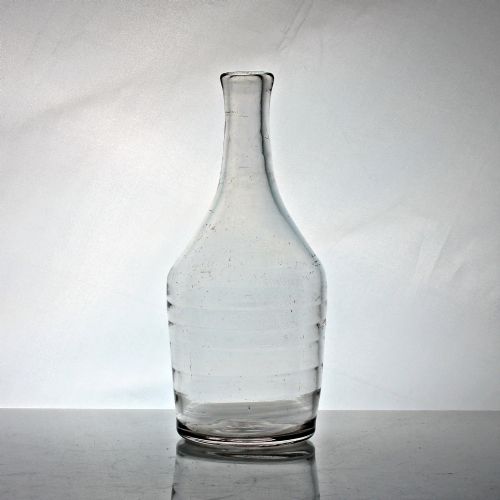
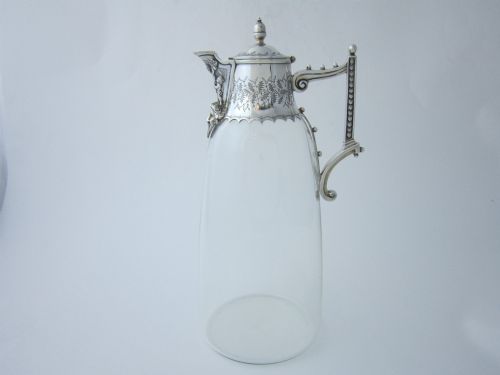
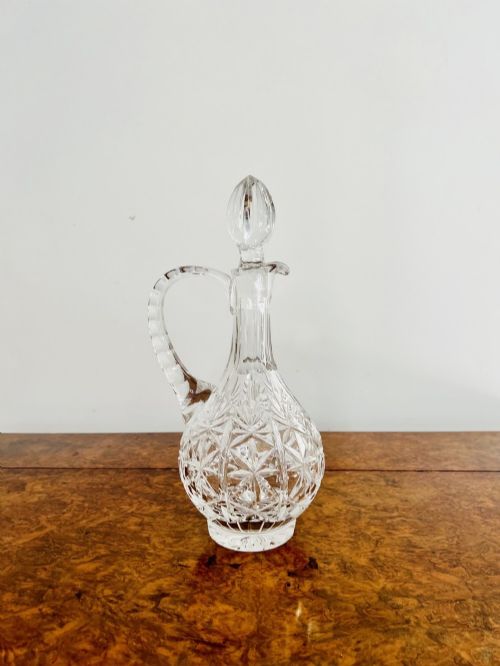
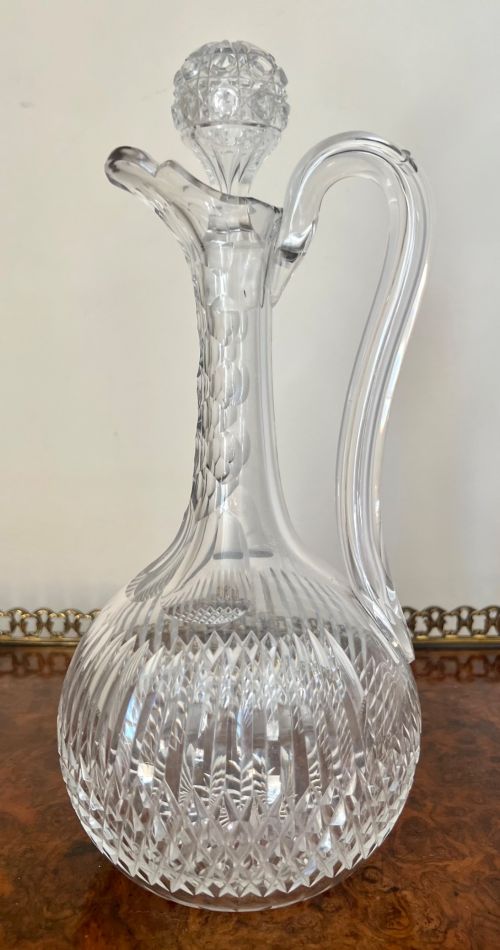
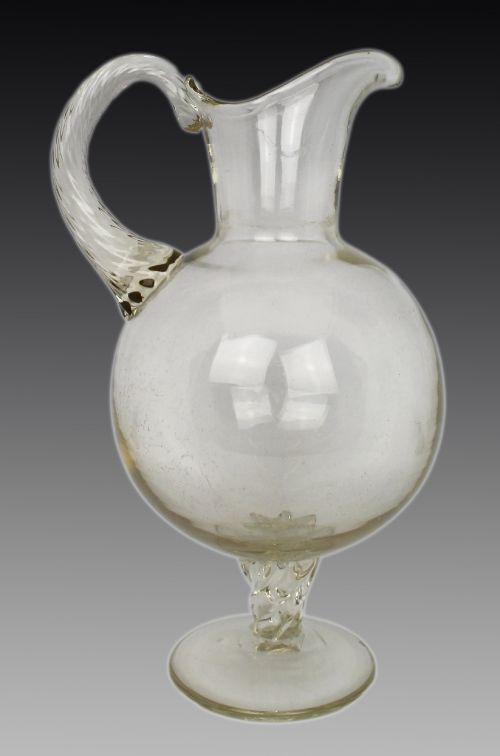
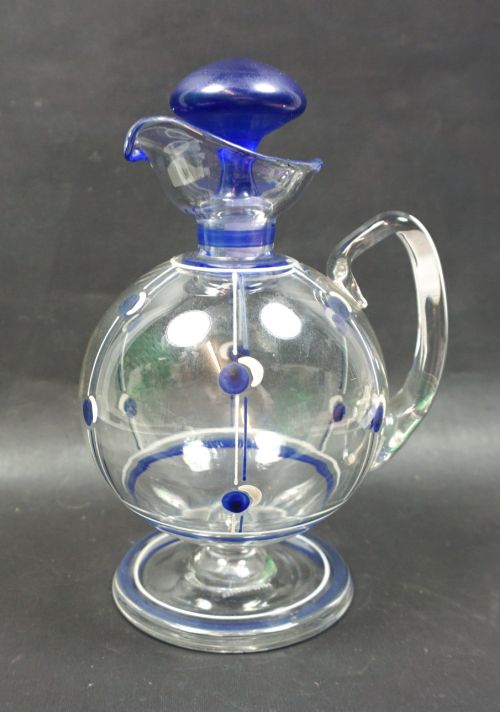
An antique glass wine decanter sits at the intersection of utility and display, designed to hold and serve wine while catching the light on a dining table or sideboard. These vessels appear in forms ranging from shaft and globe shapes to tapered ewers, claret jugs and shoulder carafes.
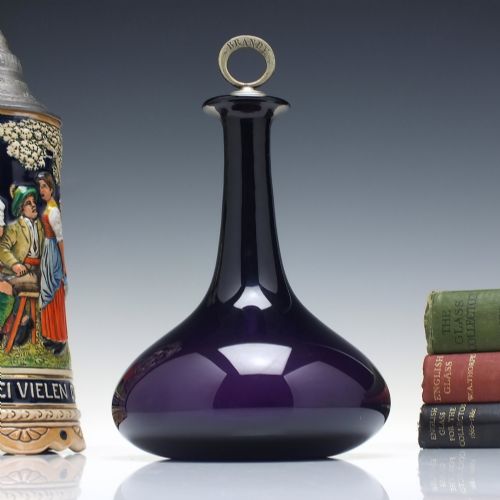
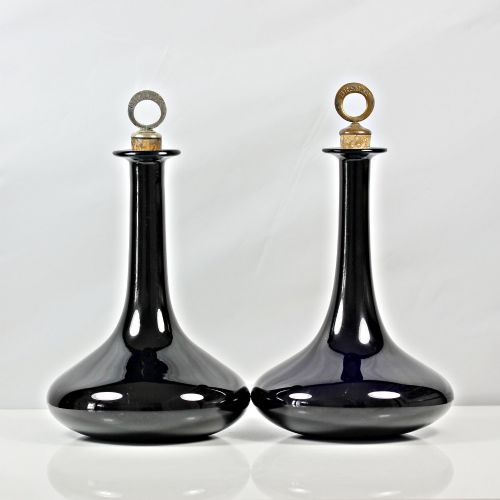
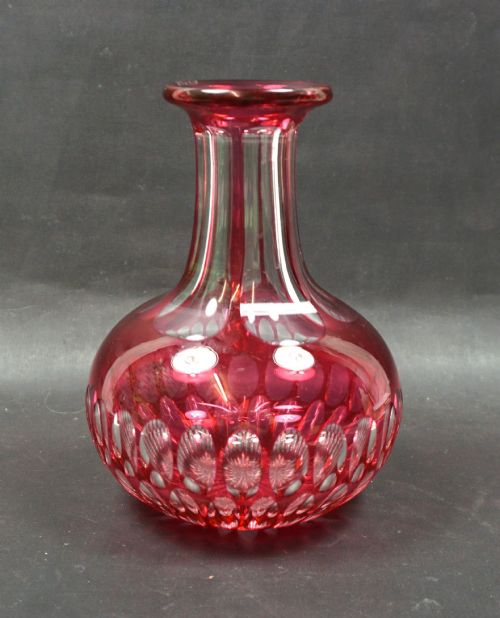
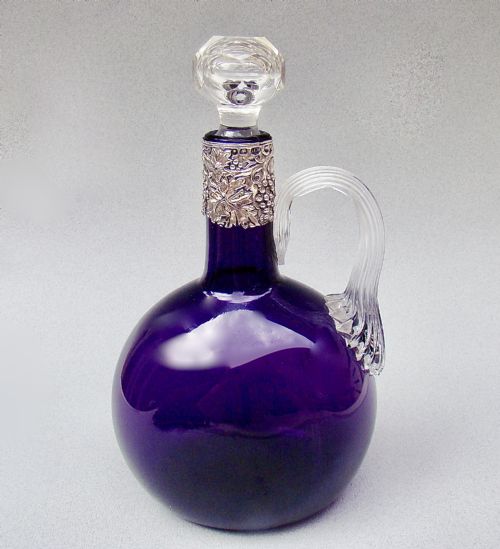
The pieces on this page span several centuries of production, drawing heavily on Georgian, Victorian and Edwardian eras. Buyers encounter clear crystal alongside vibrant hues such as Bristol blue, cranberry, amethyst and cobalt, often finished with pourers or handles.
Makers shaped these containers for specific contents, labelling them for port, Madeira or claret, or leaving them unassigned for general wine service. Their bodies combine utilitarian capacity with decorative engraving, gilding, or silver mounts that reflect the social rituals of past dining.
What varies in quality
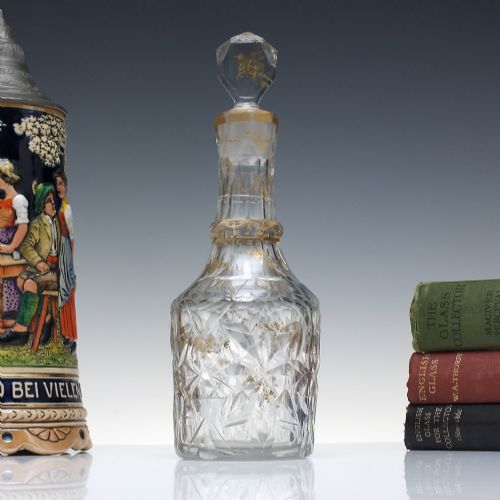
The clarity and weight of the metal set the foundation for a superior piece, where lead crystal refracts light cleanly without cloudiness or heavy internal bubbles. Thicker walls and deep, crisp wheel-cutting demonstrate greater skill from the glasscutter.
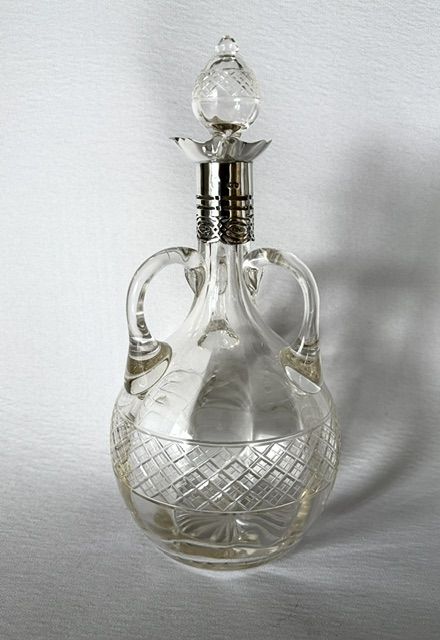
Mounts contribute significantly to overall standard, distinguishing simple plated collars from heavy cast sterling silver or silver-gilt work bearing clear hallmarks. Hand-painted enamel or substantial gilding applied by skilled ateliers like that of James Giles elevates decorative merit.
Antique Glass Wine Decanter Retail Price Guide 2026
Typical asking prices for glass wine decanter among the pieces listed under this phrase on Sellingantiques today, from the lower quarter to the upper quarter. They describe what is for sale here now, not the wider market.
Some Victorian wine jugs feature serpentine handles that appear to slither up the glass neck to guard the pour.
Asprey and Co. Ltd·James Giles·Henry Matthews
The Antique Glass Wine Decanter Glossary
- Claret jug
- A specialised serving vessel with a handle and a hinged metal spout designed specifically for red Bordeaux wine. These typically date from the Victorian and Edwardian periods and incorporate silver or silver-plated mounts.
- Lead crystal
- A high-clarity glass containing metallic oxides that increase weight, brilliance and the capacity for deep facet cutting. This material rings when struck and catches light sharply.
- Lynn ring
- A horizontal glass rib or collar encircling the neck of an 18th-century decanter. These rings provided a secure grip for pouring.
- Pillar cut
- A linear facet-cutting technique producing broad, flat vertical channels along the body of a decanter. This style creates strong geometric reflections.
- Mell decanter
- A mallet-shaped vessel with a wide base tapering toward the neck, popular in the 18th and 19th centuries. The low centre of gravity provided stability on shipboard or dining tables.
Antique Glass Wine Decanter: Frequently Asked Questions
Can I still serve wine in these decanters?
Most pieces remain entirely functional for breathing and pouring modern red or white wines, provided the interior is clean and free of stubborn staining.
Inspect the stopper and neck to ensure a snug fit, and avoid exposing older lead crystal to sudden, extreme temperature shifts.
How do I distinguish Georgian from Victorian decanters?
Georgian examples often feature simpler mallet or shaft-and-globe silhouettes, heavier kick-up bases, and hand-cut pillar or prism details.
Victorian and Edwardian versions frequently introduce vibrant colours like cranberry and blue, elaborate floral engraving, and mass-produced silver-plated hardware.
Why do some decanters have matching stoppers?
Original stoppers were ground by hand to fit the specific neck of each vessel during production, ensuring an airtight seal for stored wine.
Matched stoppers maintain historical integrity, though replacements remain common due to breakage over centuries of use.